Labour accused of failing to enforce anti-espionage laws against China
Ministers are under fire after a high-profile spying trial against two men was abandoned, highlighting systemic failures in legal evidence and national security strategy.

- Core Development: Ministers are under fire after a high-profile spying trial against two men was abandoned, highlighting systemic failures in legal evidence and national security strategy.
- Beat Context: Categorized under Politics with independent corroboration.
- Reporting Depth: 3 minute analytical read synthesized from verified newsroom sources.
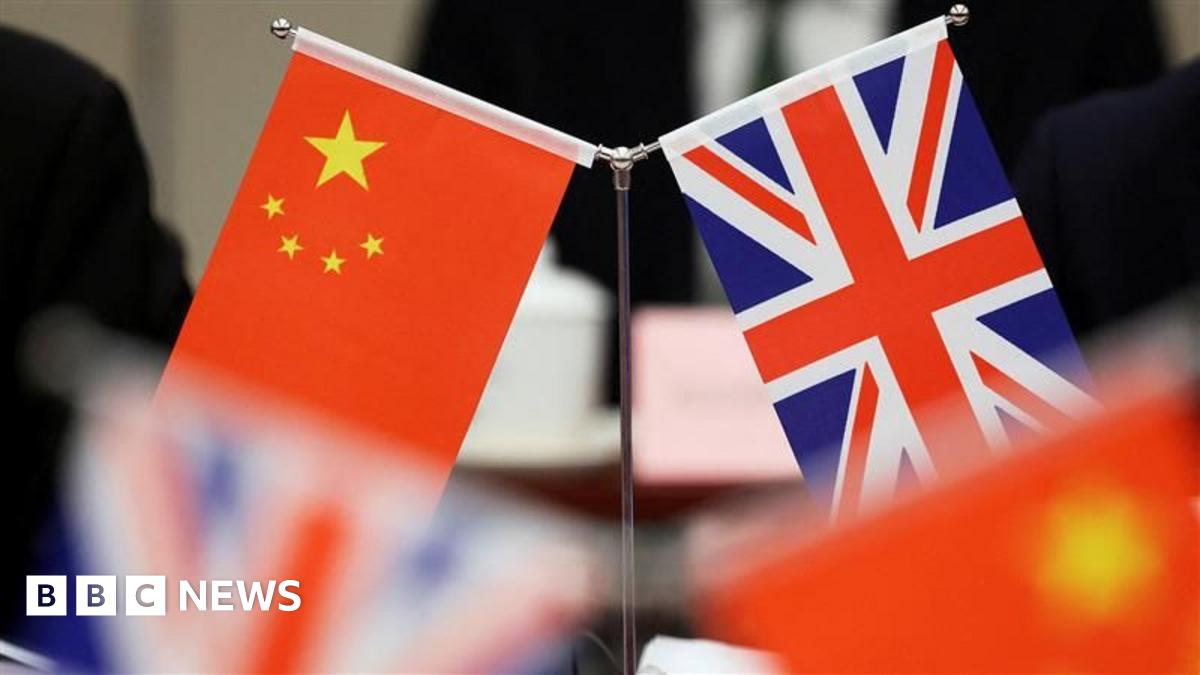
The British government is facing mounting pressure regarding its commitment to national security following the collapse of a major espionage trial. The case, which centered on allegations of spying for China, was dropped in September 2025 after prosecutors stated they could not obtain necessary evidence from ministers to proceed. This development has triggered a volatile political row.
The two defendants, Christopher Cash — a former parliamentary researcher who previously worked for Conservative MPs — and academic Christopher Berry, had been charged in April 2024 under the Official Secrets Act 1911. They were accused of gathering and communicating sensitive information deemed useful to an enemy between December 2021 and February 2023. Both men have consistently denied the allegations.
Media additions

The Evidential Threshold
The collapse of the proceedings has been attributed to a legal requirement established by a separate High Court ruling involving a Russian spy ring. According to Stephen Parkinson, the Director of Public Prosecutions (DPP), that ruling mandated that for a successful prosecution under the 1911 Act, the government must formally designate the country in question as a threat to national security at the time of the alleged offences.
Mr. Parkinson stated that the Crown Prosecution Service (CPS) spent months attempting to secure witness statements from the government that would confirm China held such a status during the relevant period. When those statements were not forthcoming, the CPS concluded that the case could not meet the required legal threshold. The DPP expressed frustration, noting that he shared the disappointment of many in Parliament and the public that the prosecution had to be abandoned.
Government Response and Opposition Criticism
Downing Street has maintained that the decision to stop the trial was made independently by the CPS, asserting that no minister or special adviser intervened. Prime Minister Sir Keir Starmer has deflected blame, arguing that the prosecution could only rely on the stance held by the Conservative government in power at the time of the alleged acts.
However, this justification has been met with skepticism from across the political spectrum. Conservative figures, including party leader Kemi Badenoch and former Foreign Affairs Committee chair Alicia Kearns, have challenged the narrative, citing various government documents and statements from the previous parliament that they believe categorized China as a significant risk. Ms. Kearns has specifically accused ministers of adopting a "soft touch" and failing to enforce the law to avoid offending Beijing.
Furthermore, internal records reveal that deputy national security adviser Matthew Collins provided three witness statements, one under the Conservatives and two under Labour. While his statements acknowledged that China conducts large-scale espionage operations against the UK, they also emphasized the government’s desire to cooperate with Beijing where possible.
Institutional Concerns and the FIRS Scheme
The controversy extends beyond the collapsed trial to the broader enforcement of the Foreign Influence Registration Scheme (FIRS). Designed to track those acting on behalf of foreign powers to influence British politics, the scheme currently shows no registrations for groups linked to China, despite registrations for countries such as Turkey, Bosnia and Herzegovina, and Taiwan. Alicia Kearns has argued that this lack of compliance is a direct result of a lack of enforcement by the current government.
A recent report from the Joint Committee on the National Security Strategy (JCNSS) concluded that while there was no evidence of a coordinated conspiracy to sabotage the trial, the process was undermined by systemic failures in communication and misaligned expectations between the Cabinet Office and the CPS. The committee recommended formalizing the handling of sensitive cases to avoid such confusion in the future.
What to Watch Next
- Parliamentary Scrutiny: The Prime Minister and relevant ministers are expected to face intense questioning from MPs regarding the transparency of the evidence-gathering process.
- The Embassy Decision: A decision on the proposed Chinese "mega-embassy" at the site of the former Royal Mint Court remains pending, with an announcement expected on 20 January.
- Legal Reform: Legal experts have suggested that the government may eventually need to amend the Official Secrets Act to include categories like "competitor nation" to ensure that future prosecutions do not fail due to the narrow definition of an "enemy."
How significant is this development?
Contribute your assessment to the aggregated reader sentiment ledger.
Frequently Asked Questions
Key questions answered in this reportWhat is the key development in: Labour accused of failing to enforce anti-espionage laws against China?
Ministers are under fire after a high-profile spying trial against two men was abandoned, highlighting systemic failures in legal evidence and national security strategy.
Why is this Politics development significant for the UK?
This report covers critical events in our Politics beat. Independent reporting monitors related UK statements, regulatory shifts, and public responses as further verified details emerge.
How was this reporting corroborated and verified?
Newsarchy UK compiles and cross-references reporting from primary reporting from express.co.uk and cross-checked wire reports. All coverage adheres to published editorial standards.
When was this report published?
This briefing was published on July 11, 2026 and is permanently cataloged in the Newsarchy UK Politics archives.