Iran’s new supreme leader vows revenge for father’s death as Trump warns
New supreme leader Mojtaba Khamenei has pledged to seek revenge following his father's death in a February airstrike. In response, President Trump has declared that military measures are prepared to target Iranian interests.
- Core Development: New supreme leader Mojtaba Khamenei has pledged to seek revenge following his father's death in a February airstrike. In response, President Trump has declared that military measures are prepared to target Iranian interests.
- Beat Context: Categorized under World with independent corroboration.
- Reporting Depth: 3 minute analytical read synthesized from verified newsroom sources.
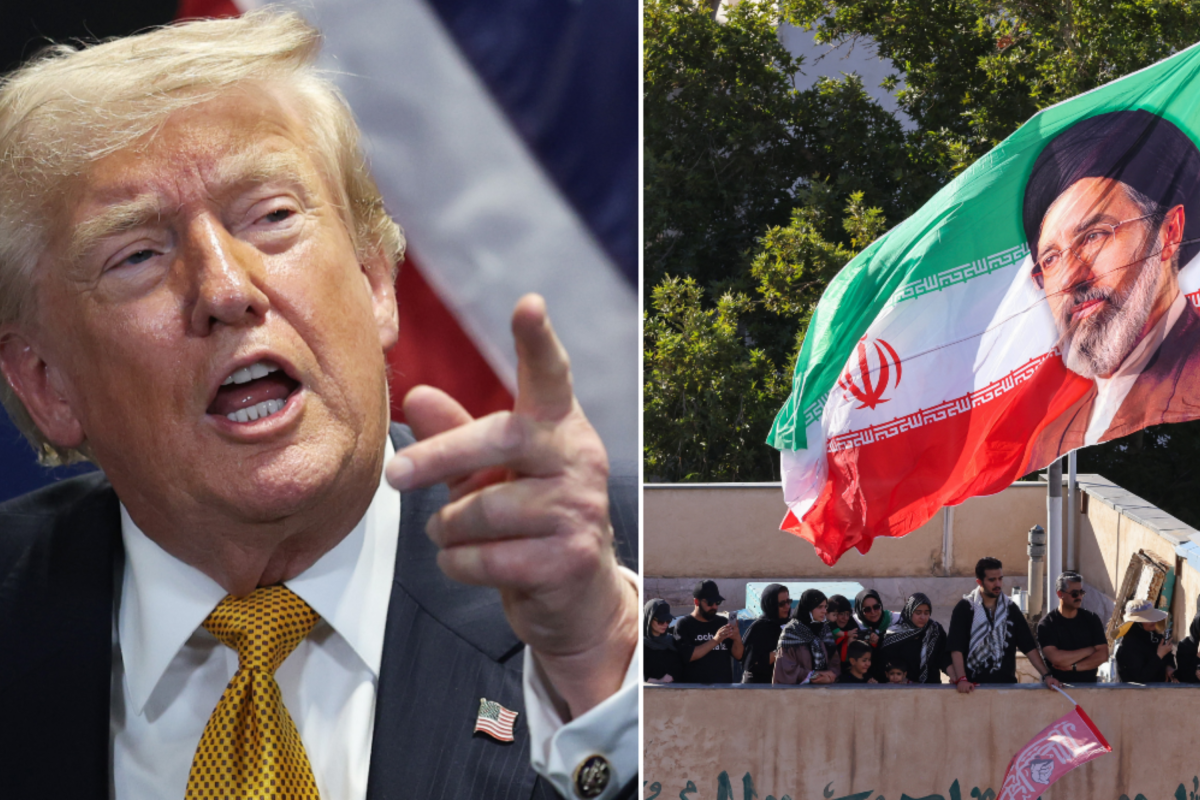
Iran’s new supreme leader, Mojtaba Khamenei, has issued a formal vow to seek revenge for the killing of his father, the long-serving leader Ayatollah Ali Khamenei. The statement, released in writing during funeral proceedings that concluded this week, described retaliation as a national necessity following the death of the elder Khamenei in U.S.–Israeli airstrikes on 28 February. As the weeklong mourning period ended, the younger Khamenei pledged to avenge the blood of the martyred leader, stating that the pursuit of retribution does not depend on any specific individual.
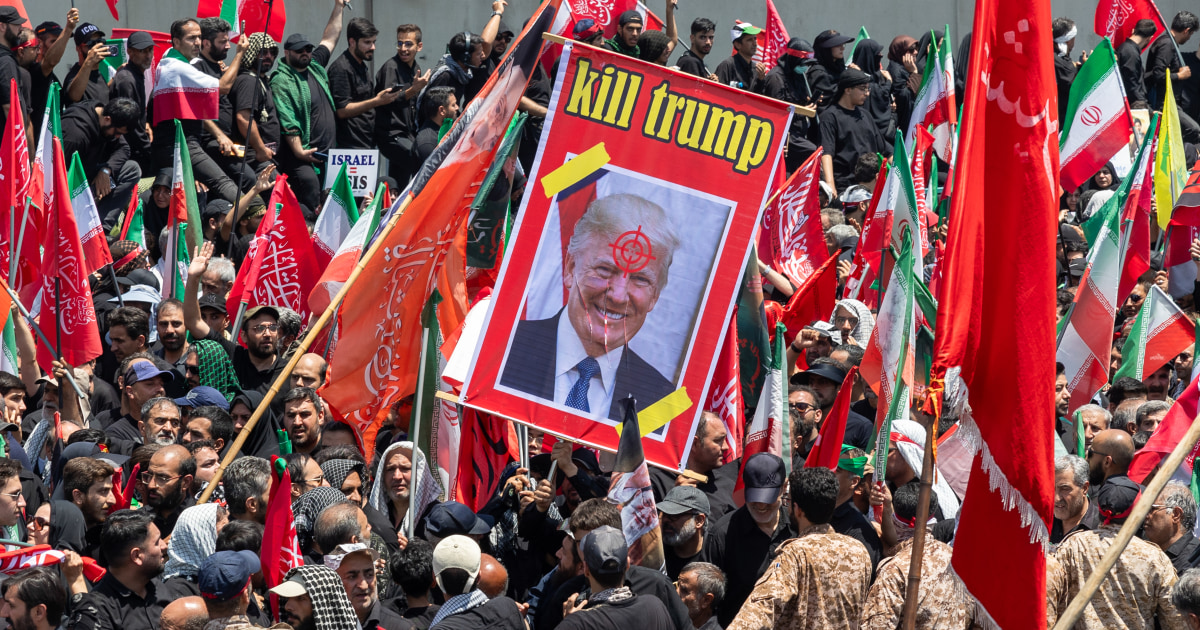
The transition of power occurs as regional tensions reach a critical juncture. Mojtaba Khamenei, who has not appeared in public since the war began, is reported to have sustained injuries in the same February airstrike that claimed his father’s life. While Iranian officials have sought to minimize reports regarding his health, his absence from public funeral events has deepened uncertainty regarding the stability of the leadership in Tehran. During the funeral ceremonies, which spanned five cities across Iran and Iraq, crowds publicly chanted slogans demanding revenge and targeting the United States and Israel.
Media additions
Escalating Rhetoric and Military Posture
The U.S. Response to these developments has been swift and direct. President Donald Trump stated he has issued standing orders to the U.S. Military to respond with overwhelming force if an assassination attempt against him is successful. In a public message, President Trump asserted that 1,000 missiles are locked and loaded, aimed at the Islamic Republic, with thousands more ready to follow to ensure the destruction of Iranian targets. He declared that the previous ceasefire, negotiated in mid-June, is effectively over.
This military hardening follows a series of attacks on commercial vessels in the Strait of Hormuz, a critical global shipping artery. Senior U.S. Officials have attributed the most recent surge in maritime violence to a rogue faction of Iranian hard-liners attempting to sabotage the de-escalation efforts. In response to these tanker attacks, the U.S. Treasury Department imposed new sanctions on individuals and entities linked to the new supreme leader.
Diplomatic Strains and the Strait of Hormuz
While military posturing intensifies, multiple diplomatic channels remain active. Mediators from Qatar have traveled to Tehran, while Iranian Foreign Minister Abbas Araghchi has conducted consultations in Oman to discuss the status of the Strait of Hormuz. Turkish Foreign Minister Hakan Fidan has expressed cautious optimism regarding a potential solution for maritime passage, yet substantial obstacles remain.
Iran maintains that it has remained in compliance with the memorandum of understanding signed in June. However, Foreign Minister Araghchi has accused the United States of violating the terms of that agreement by ending oil export waivers in retaliation for the tanker attacks. For its part, Washington insists that any further nuclear negotiations remain contingent on Iran surrendering its stockpiles of highly enriched uranium and providing guarantees that the Strait of Hormuz will remain open for international transit.
The Status of Conflict and Infrastructure
The regional conflict has caused significant disruption to energy markets, although oil prices have retreated from their wartime peaks. Inside Iran, the economic impact is being managed alongside domestic damage control; for example, officials recently oversaw the swift repair and reopening of a bridge in Golestan province that had been damaged in a previous U.S. Strike. Meanwhile, satellite imagery has raised concerns among international observers that Tehran may be moving to rebuild nuclear facilities, a development that continues to draw strong warnings from the U.S. Regarding the security of the nation's nuclear material.
As the situation remains in a state of high alert. Military forces in the region continue to monitor borders and coastal zones, while political actors such as Pakistan’s Prime Minister Shehbaz Sharif seek to facilitate stalled negotiations. Despite the rhetoric of "full-scale defence" from Iranian officials, the ongoing discussions in Muscat and Tehran represent the final, narrow avenues for preventing a broader regional confrontation. International observers are currently focused on whether these mediated talks can stabilize the situation or if the cycle of retaliatory threats will lead to further kinetic conflict.
How significant is this development?
Contribute your assessment to the aggregated reader sentiment ledger.
Frequently Asked Questions
Key questions answered in this reportWhat is the key development in: Iran’s new supreme leader vows revenge for father’s death as Trump warns?
New supreme leader Mojtaba Khamenei has pledged to seek revenge following his father's death in a February airstrike. In response, President Trump has declared that military measures are prepared to target Iranian interests.
Why is this World development significant for the UK?
This report covers critical events in our World beat. Independent reporting monitors related UK statements, regulatory shifts, and public responses as further verified details emerge.
How was this reporting corroborated and verified?
Newsarchy UK compiles and cross-references reporting from primary reporting from livemint.com and cross-checked wire reports. All coverage adheres to published editorial standards.
When was this report published?
This briefing was published on July 11, 2026 and is permanently cataloged in the Newsarchy UK World archives.