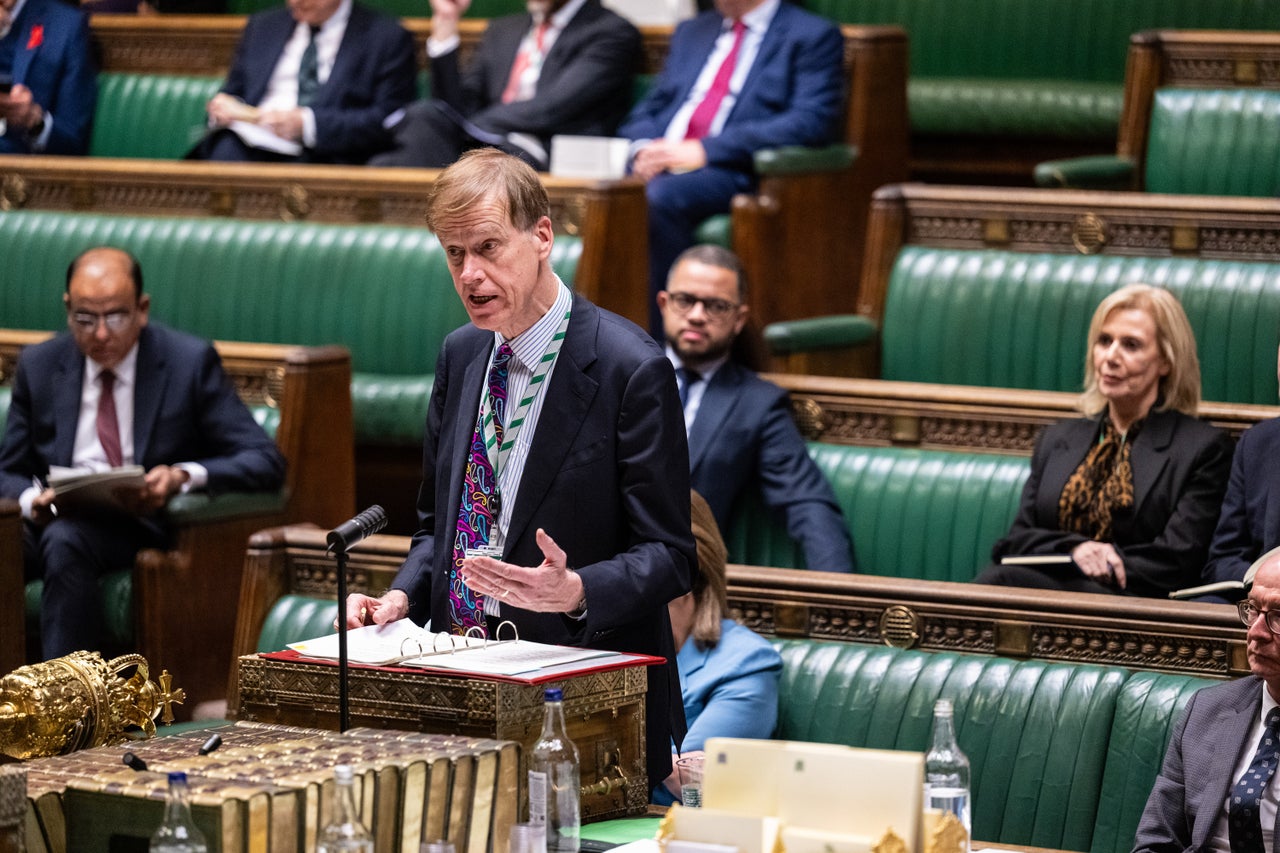
Met Chief and London Mayor at odds over institutional racism
Metropolitan Police Commissioner Sir Mark Rowley and London Mayor Sir Sadiq Khan are locked in a public stand-off after a new review branded the force institutionally racist.

Metropolitan Police Commissioner Sir Mark Rowley and London Mayor Sir Sadiq Khan are locked in a public stand-off after a new review again branded the force institutionally racist, with the mayor demanding "humility and reflectiveness" while the commissioner refuses to adopt the label despite acknowledging "deep" and "systemic" issues.
The clash follows the publication on Wednesday of a review by Dr Gillian Fairfield, which found that fundamental, systemic problems of racism, misogyny and homophobia identified three years ago by Baroness Casey remain unresolved. Dr Fairfield concluded the Met "cannot change if it does not accept the issues are institutional" — a phrase Sir Mark has declined to use, telling the Press Association: "I've also been really clear: these are systemic, deep issues. These aren't simply about individuals."
Media additions
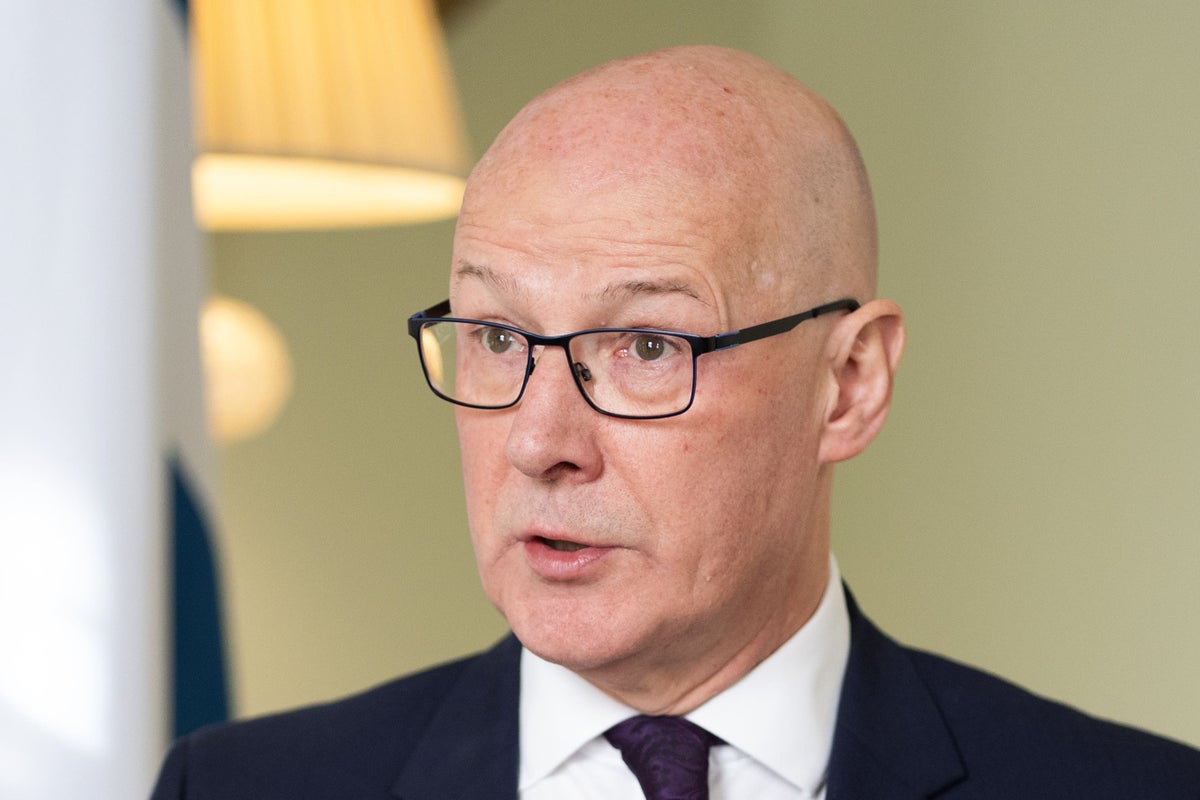
History of the label
The Metropolitan Police was first branded institutionally racist in 1999 after the public inquiry into the murder of Stephen Lawrence and its catastrophic mishandling by the force. Three years ago, Baroness Casey's review — commissioned after a serving officer raped and murdered Sarah Everard, found the force was institutionally racist, misogynistic and homophobic. Dr Fairfield's report, published on Wednesday, found "these fundamental, systemic issues remain."
Mayor's intervention
Lord Khan told the Press Association the commissioner and his team must "read the report, to digest the report, and to reflect upon it," warning against "hubris or rebuttals." He cited Dr Fairfield's observation that the Met and the commissioner are "tiptoeing around the issue of institutional racism," noting that when she spoke to senior officers about challenges in the police, "they didn't even mention the word racism."
"That is not the experience of Londoners, when you speak to members of the LGBTQ+ community that experience the police. When you speak to women, including police officers and their experience with senior leadership. When you speak to black Londoners, when you speak to victims. Yes, there's been improvements, but not enough. That needs to change."
Lord Khan, via Press Association
The mayor's relationship with the Met's leadership has been fraught. His predecessor, Dame Cressida Dick, resigned in 2022 after Lord Khan said he had lost confidence in her amid a scandal about the conduct of officers at Charing Cross Police Station. Further revelations emerged last year when officers at the same station were exposed bragging about violence and using racist language in a Panorama sting. The Fairfield review found the issues are not confined to Charing Cross and that some officers did not have an issue with the behaviour exposed in the programme, bar the racist language.
Commissioner's position
Asked whether he and the mayor can continue to work together if he refuses to accept the term "institutionally racist," Sir Mark emphasised their "constructive relationship" and said both are "very proud of the progress we've made for London in terms of reducing crime." He stressed transparency "since day one in this job about the challenges the Met faces in confronting racism, misogyny, and homophobia, and that continues."
Report findings
Dr Fairfield's review painted a stark picture. It told of one officer warning that young women and new recruits were "prey," while another described one London borough as "a shithole." The report said further scandals are "highly likely" if closed environments in teams including royal protection, firearms, dogs and traffic are not closely monitored. It concluded the Met remains too defensive and "struggles to acknowledge racism as a structural problem rather than something people can be trained out of."
Rank-and-file response
Matt Cane, general secretary of the Metropolitan Police Federation representing rank-and-file officers, said the federation accepts "there are sadly racist, misogynistic and homophobic individuals within the organisation and we want them out of our proud profession and vocation." But he rejected the broader branding: "We do not accept for every single officer in the organisation to be branded in that way and we must remember that there is damage being carried out to our colleagues by this constant narrative."
The report cited a national police workforce survey which found only 15% of Met officers felt the force was well managed and led, a figure Mr Cane described as "concerning."
Government stance
Home Secretary Shabana Mahmood is understood to have confidence in Sir Mark as commissioner. Responding to the report, she acknowledged the "profound crisis" identified by Baroness Casey three years ago and welcomed "significant and positive steps forward" since then, particularly improvements in policing serious sexual offences as the government pursues its goal of halving violence against women and girls. She added: "But there are further improvements required, and I welcome the commissioner's commitment to this. It is right that the Metropolitan Police have accepted all of Dr Fairfield's recommendations."
What to watch next
- Whether Sir Mark's refusal to use the term "institutional racism" becomes a sustained point of friction with City Hall
- Implementation of Dr Fairfield's recommendations, particularly monitoring of closed specialist units
- The next national police workforce survey results as a barometer of internal morale
- Any further revelations from specialist units identified as high-risk environments
The stand-off underscores a deeper tension: whether acknowledging institutional failings requires specific language, or whether action on "systemic, deep issues", as Sir Mark frames it, can suffice. For Londoners who have lived through successive scandals, the distinction is not academic.