Volodymyr Zelenskyy dismisses Ukraine defence minister Mykhailo Fedorov
President Volodymyr Zelenskyy has removed Mykhailo Fedorov from his post as Minister of Defence, citing the need for closer alignment between the civilian government and the armed forces.
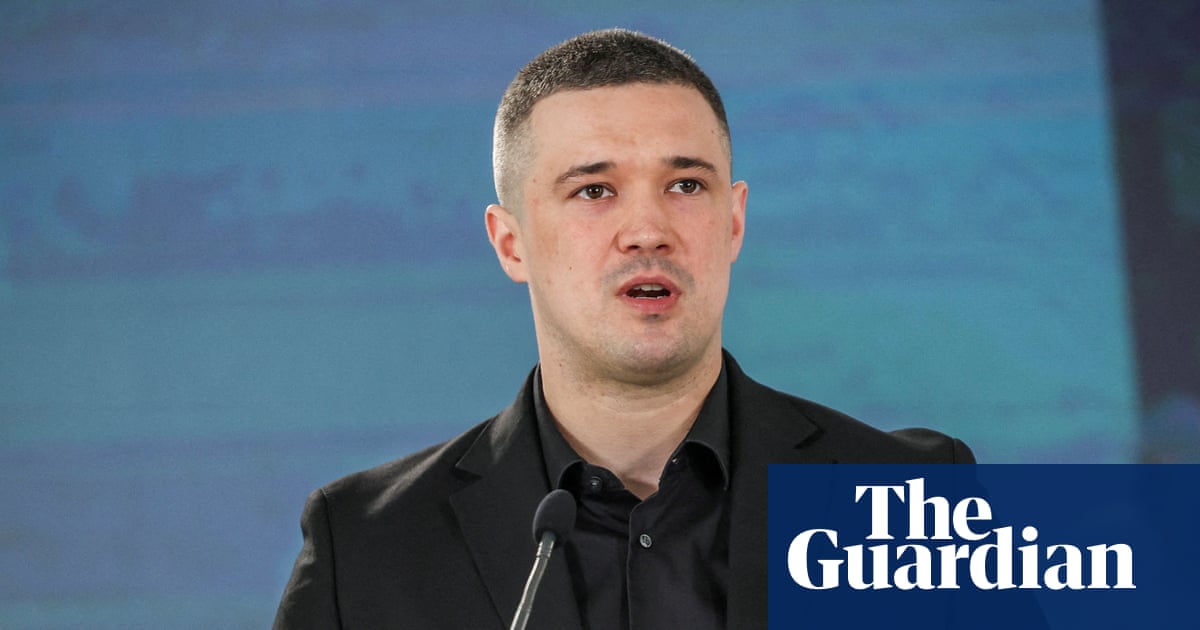
- Core Development: President Volodymyr Zelenskyy has removed Mykhailo Fedorov from his post as Minister of Defence, citing the need for closer alignment between the civilian government and the armed forces.
- Beat Context: Categorized under World with independent corroboration.
- Reporting Depth: 3 minute analytical read synthesized from verified newsroom sources.
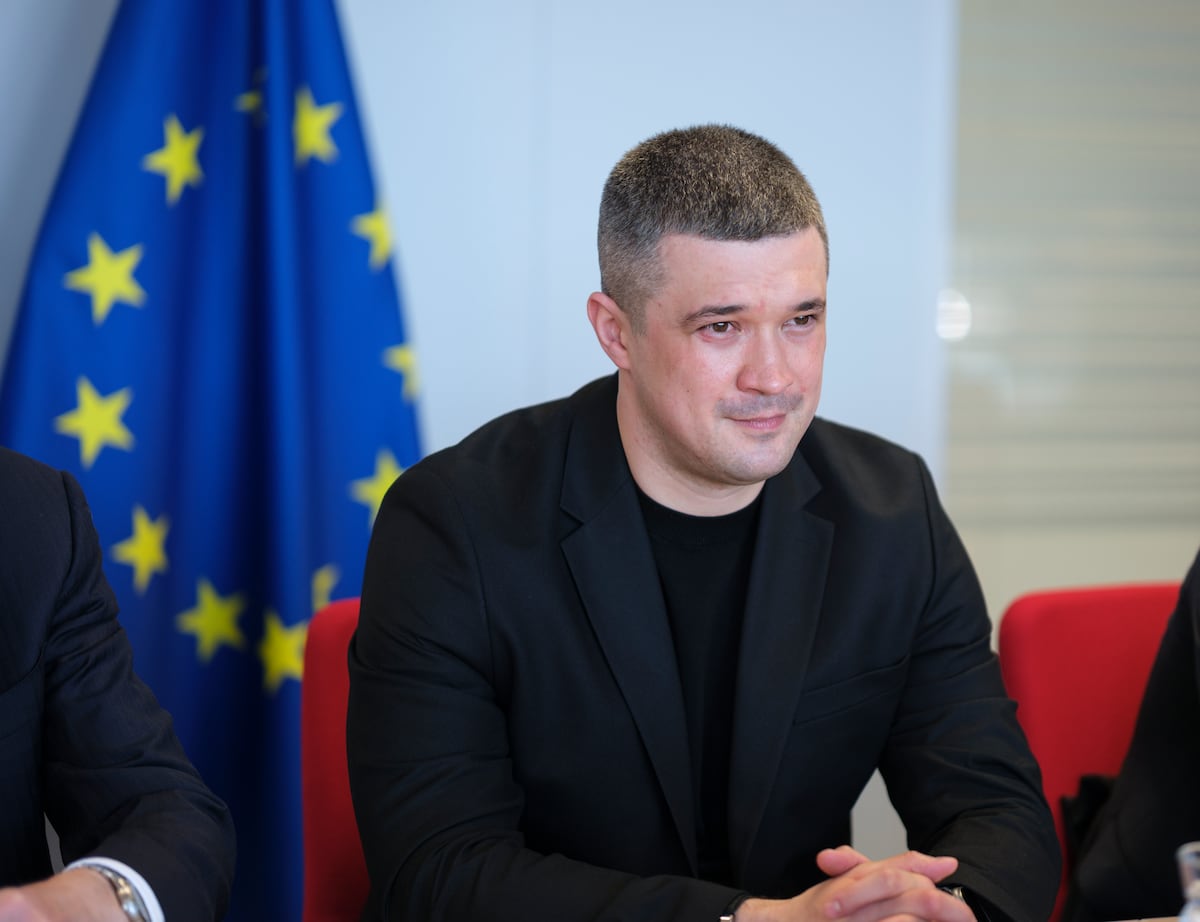
Ukrainian President Volodymyr Zelenskyy has dismissed Minister of Defence Mykhailo Fedorov, a move that concludes his six-month tenure and signals a widening fracture within the nation’s leadership. The decision, confirmed on Wednesday, 15 July 2026, follows the recent resignation of Prime Minister Yulia Svyrydenko and arrives as the administration attempts to execute a broader government overhaul.
Fedorov, a 35-year-old former minister of digital transformation, gained international attention for his tech-forward approach to warfare. His departure has sparked immediate outcry among civil society and some military supporters who credited him with significant, rapid advancements in Ukraine’s defensive capabilities. In a social media post, Fedorov stated it was a great honour
to serve, listing over 20 accomplishments including the denial of Starlink access to Russian forces and a campaign to isolate occupied Crimea by targeting Russian logistics.
Media additions

A Shift in Military Strategy
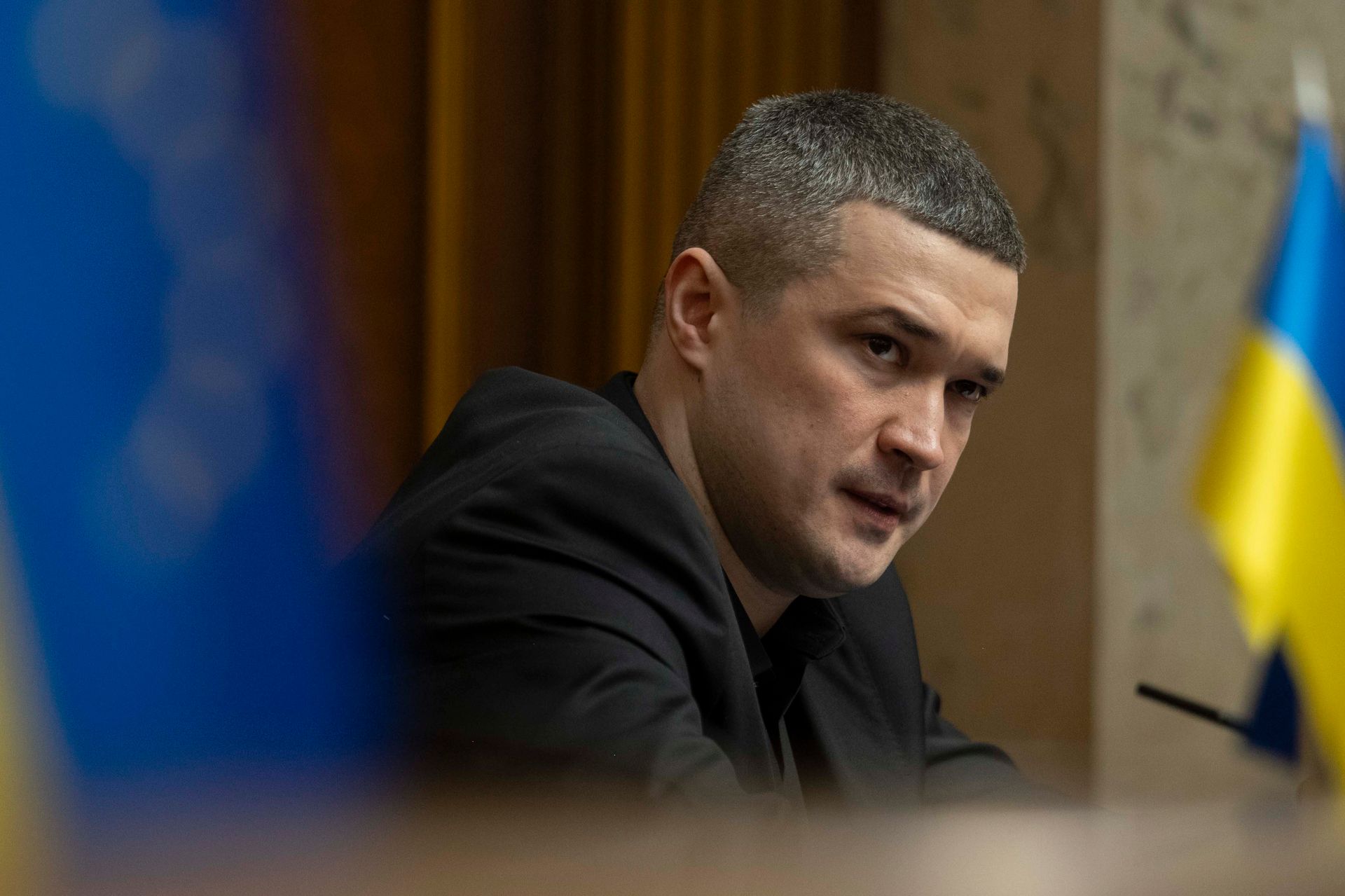
Official explanations for the removal point to systemic tensions. President Zelenskyy suggested the shake-up is necessary to better prepare the country for the upcoming winter and to ensure closer alignment between the civilian government and the armed forces. During a meeting on 15 July 2026 involving Fedorov and Commander-in-Chief Oleksandr Syrskyi, the President emphasised that the priority is dialogue between the army and the Defence Ministry, solving the problems of recruitment, and closing the sky.
According to reports from lawmakers within the governing Servant of the People party, the President characterised the relationship between the defence ministry and military leadership as dysfunctional. Sources indicated that the tension between Fedorov — a technocrat — and General Syrskyi, a representative of the traditional military hierarchy, had become untenable. Some observers have described this as a clash between modern innovation strategies and post-Soviet military doctrines.
Unfinished Reforms
In his farewell message, Fedorov acknowledged three primary goals that remained incomplete: the full transformation of the ministry toward NATO standards, the total overhaul of military procurement, and the establishment of a robust culture of accountability. His advisor, Serhii Sternenko, announced his own departure following the news, warning that the loss of leadership could stall critical military efforts. Sternenko stated that it is a pity our country today is significantly further from victory
due to the bureaucratic obstacles he claims hindered Fedorov's progress.
Ihor Klymenko, the current Minister of Internal Affairs, has reportedly been offered the defence portfolio, though parliamentary confirmation is required. Lawmakers from both the ruling party and opposition expressed disapproval, with some calling the move a political misstep. Some critics argue that the frequent turnover of high-level officials undermines the state’s stability during a period of active, large-scale conflict.
What to Watch Next
- Parliamentary Vote: The Verkhovna Rada is expected to deliberate on the nomination of Ihor Klymenko for the defence post on 16 July 2026.
- Internal Stability: Observers are monitoring whether the proposed changes, including the potential appointment of Serhiy Koretskyi as prime minister, can effectively address energy sector concerns before winter.
- Public Sentiment: Calls for peaceful demonstrations have emerged in Kyiv, reflecting broader anxiety over whether the government’s
reset
will improve operational efficiency or merely exacerbate political infighting.
While the administration pivots toward this new structure, the decision to remove a minister widely supported by Western partners and civil society adds an element of uncertainty to Ukraine’s ongoing war effort. As of late 15 July 2026, no further appointments were announced, leaving the defence sector in a period of transition.
How significant is this development?
Contribute your assessment to the aggregated reader sentiment ledger.
Frequently Asked Questions
Key questions answered in this reportWhat is the key development in: Volodymyr Zelenskyy dismisses Ukraine defence minister Mykhailo Fedorov?
President Volodymyr Zelenskyy has removed Mykhailo Fedorov from his post as Minister of Defence, citing the need for closer alignment between the civilian government and the armed forces.
Why is this World development significant for the UK?
This report covers critical events in our World beat. Independent reporting monitors related UK statements, regulatory shifts, and public responses as further verified details emerge.
How was this reporting corroborated and verified?
Newsarchy UK compiles and cross-references reporting from primary reporting from euronews.com and cross-checked wire reports. All coverage adheres to published editorial standards.
When was this report published?
This briefing was published on July 16, 2026 and is permanently cataloged in the Newsarchy UK World archives.