London Underground strikes bring capital to a standstill amid pay dispute
Industrial action on the London Underground has caused widespread disruption, forcing concert rescheduling and straining alternative transport routes. RMT and TfL officials are expected to resume negotiations next week to resolve the dispute.
- Core Development: Industrial action on the London Underground has caused widespread disruption, forcing concert rescheduling and straining alternative transport routes. RMT and TfL officials are expected to resume negotiations next week to resolve the dispute.
- Beat Context: Categorized under Transport with independent corroboration.
- Reporting Depth: 3 minute analytical read synthesized from verified newsroom sources.
London’s transport network remains in a state of disruption as industrial action continues to halt major segments of the Underground. The strike, which began on Friday, 5 September 2025, is scheduled to last until Thursday, 11 September 2025. This wave of action follows a breakdown in talks between the Rail, Maritime and Transport union (RMT) and Transport for London (TfL), leaving commuters and tourists to navigate a capital largely devoid of its primary transit spine.
The dispute encompasses a range of grievances, including pay and working hours. The RMT has rejected a 3.4 per cent pay rise offer, arguing it is insufficient. Furthermore, union officials have clashed with management over proposed changes to shift patterns. TfL has put forward a proposal for a voluntary four-day working week, which would reduce total hours from 36 to 35 while extending the length of individual daily shifts. The RMT contends that such a structure risks excessive driver fatigue and potentially undermines safety standards. Instead, the union is advocating for a 32-hour working week spread over four days.
Media additions
General Secretary Eddie Dempsey stated that industrial relations have totally collapsed
and claimed that management has failed to adequately address the health and wellbeing of staff, specifically citing extreme shift patterns
and a lack of proper listening to member concerns. Conversely, a TfL spokesperson maintained that the authority remains committed to finding a resolution, noting that more than 60 per cent of drivers reported for work during the initial days of the strike action.
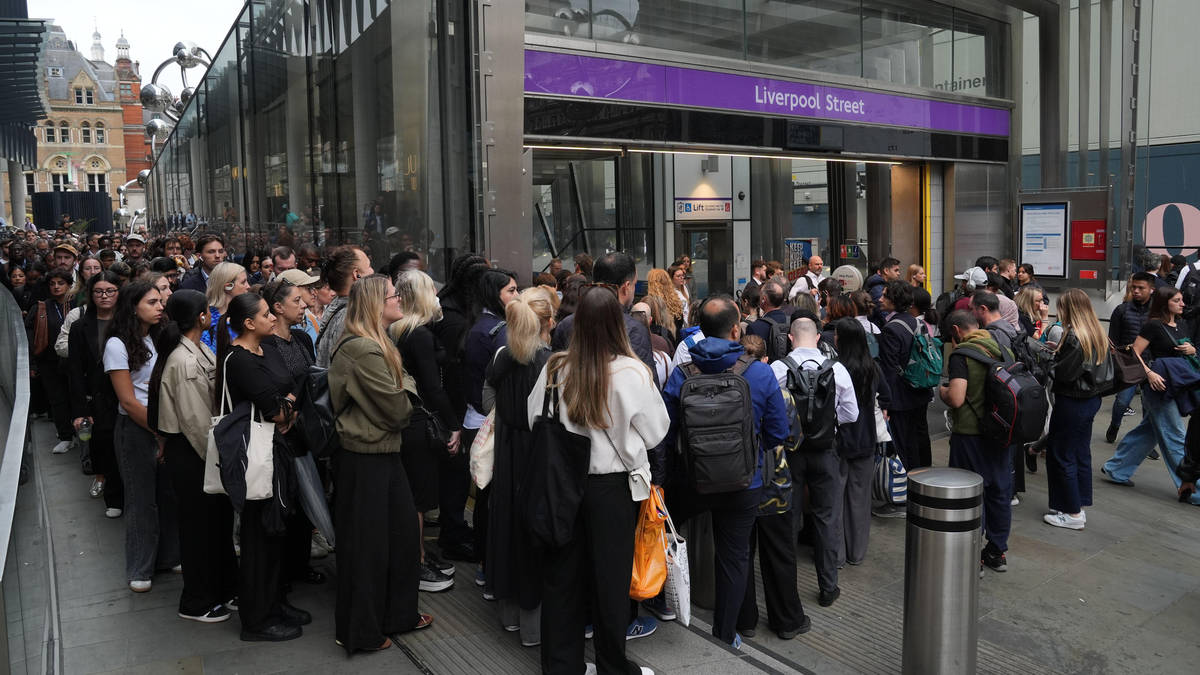
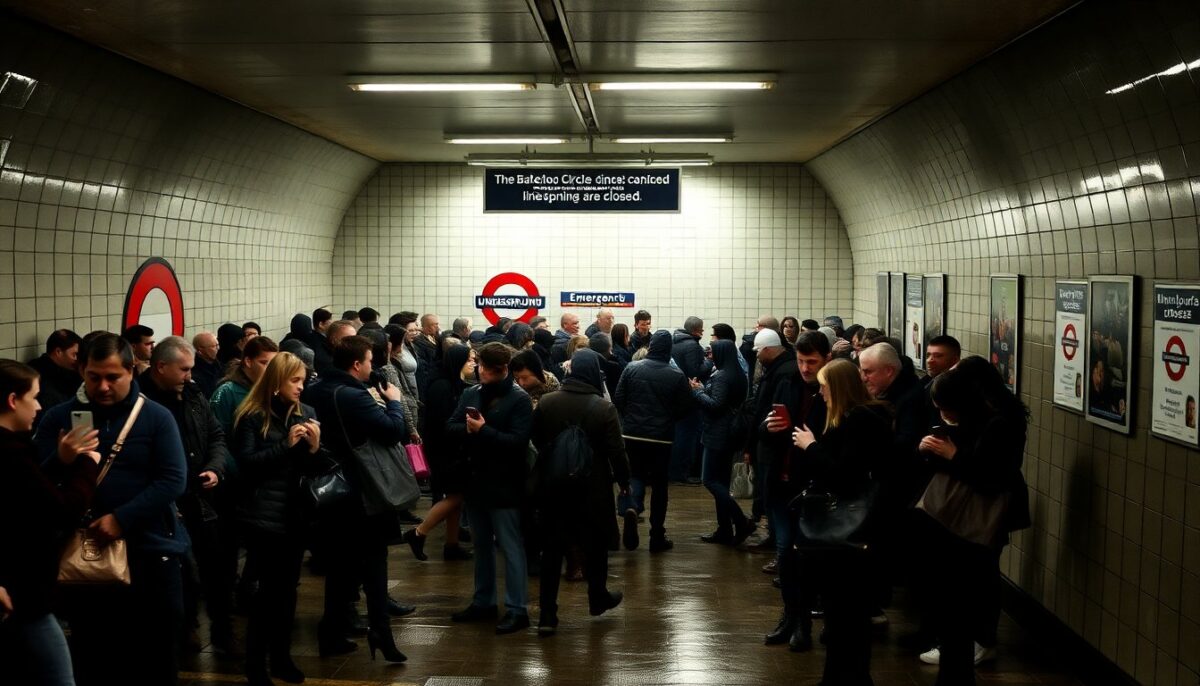
The operational impact has been severe. Wednesday saw a total standstill across all London Underground lines, while previous days experienced minimal service. The Docklands Light Railway (DLR) is also involved in a separate dispute, resulting in a total cessation of services from Tuesday, 9 September through Thursday, 11 September. While the Elizabeth line and London Overground remain operational, they have experienced significant overcrowding as passengers shift away from suspended Underground routes. TfL has warned that these services may be unable to stop at all stations, particularly those shared with the Underground network.
The wider economic consequences of the disruption are increasingly visible. The retail and hospitality sectors have recorded significant declines, with some venues noting sales drops exceeding 30 per cent during the week of the strikes. High-profile entertainment events have also faced unavoidable rescheduling; both Coldplay and Post Malone were forced to move concert dates at Wembley and Tottenham Hotspur Stadium, respectively, because the absence of Tube services made it impossible to transport tens of thousands of attendees safely.
Downing Street has publicly urged both the RMT and TfL to resume negotiations. The Prime Minister’s official spokesman expressed that Londoners are likely fed-up
with the ongoing travel chaos, specifically noting the difficulties faced by parents attempting to complete school runs and patients travelling to hospital appointments.
Looking ahead, the immediate prospect of further strike action has been tempered. Reports indicate that RMT representatives and TfL officials are expected to return to the negotiating table next week to pursue a path toward a settlement. TfL has advised that, on the remaining strike days, passengers should expect little to no service and complete any necessary journeys by 6pm. additional disruption is on the horizon, with First Bus services in parts of west, northwest, and southwest London scheduled to strike from 5am on 12 September until 5am on 15 September.
How significant is this development?
Contribute your assessment to the aggregated reader sentiment ledger.
Frequently Asked Questions
Key questions answered in this reportWhat is the key development in: London Underground strikes bring capital to a standstill amid pay dispute?
Industrial action on the London Underground has caused widespread disruption, forcing concert rescheduling and straining alternative transport routes. RMT and TfL officials are expected to resume negotiations next week to resolve the dispute.
Why is this Transport development significant for the UK?
This report covers critical events in our Transport beat. Independent reporting monitors related UK statements, regulatory shifts, and public responses as further verified details emerge.
How was this reporting corroborated and verified?
Newsarchy UK compiles and cross-references reporting from primary reporting from library.eshikshya.org and cross-checked wire reports. All coverage adheres to published editorial standards.
When was this report published?
This briefing was published on July 4, 2026 and is permanently cataloged in the Newsarchy UK Transport archives.