Portuguese airport strikes threaten UK summer holiday flights
Ground staff at Portuguese airports have announced weekend strikes throughout August, which are expected to impact check-in, baggage handling, and maintenance.

- Core Development: Ground staff at Portuguese airports have announced weekend strikes throughout August, which are expected to impact check-in, baggage handling, and maintenance.
- Beat Context: Categorized under Transport with independent corroboration.
- Reporting Depth: 3 minute analytical read synthesized from verified newsroom sources.
UK holidaymakers face a disrupted summer season as industrial action hits key Portuguese transport hubs. The current instability follows a general strike on 3 June that curtailed hundreds of flights and crippled public transport networks, including the Lisbon and Porto Metro systems.
Looking ahead, the focus shifts to a series of upcoming strikes involving ground handling staff. Employees from SPdH/Menzies, previously known as Groundforce, have announced a programme of industrial action that is set to take place every weekend throughout August. These walkouts are scheduled to begin on 26 July and continue each Friday to Monday through the month, with dates spanning from August 8 to 11, August 15 to 18, August 22 to 25, and August 29 to September 1.
Media additions

The disputes centre on labour conditions, with unions claiming that workers' base salaries fall below the national minimum wage. The union representing these staff members asserts that the company has failed to honour a Memorandum of Understanding regarding promised salary increases and compensation for night shifts and employee parking facilities. The strike action is expected to impact vital ground operations, including check-in services, baggage handling, and aircraft maintenance, particularly at major hubs such as Lisbon, Porto, and Faro.
Impact on airlines and passenger rights
Major carriers, including EasyJet, Jet2, TUI, Ryanair, and British Airways, are identified as the airlines most likely to be affected by the August walkouts. Jet2 has advised customers that although it plans to operate all flights on schedule, passengers should be prepared for longer than normal queues and disruption to flights
Jet2, via Yahoo News. Similarly, an EasyJet spokesperson stated that the airline expects some disruption to our flying programme
and is working to minimise the impact on passengers EasyJet, via Independent.
For travellers concerned about the financial implications of cancelled or delayed flights, the regulatory landscape remains complex. Experts note that because these strikes involve third-party service providers, airlines often classify the resulting disruptions as extraordinary circumstances
outside of their control. This typically exempts carriers from paying the statutory compensation otherwise owed for delays.
However, Ivaylo Danailov, the CEO of an airline compensation firm, notes that passengers retain clear rights to care during these periods:
"Airlines are legally obligated to provide care, including meals, refreshments, and hotel accommodation if delays extend overnight. If your flight is cancelled or delayed by more than five hours, you're also entitled to a refund or rerouting, depending on your preference."
Ivaylo Danailov, CEO of SkyRefund, via Express
What to watch next
As the holiday season reaches its peak, travellers are advised to maintain close contact with their airlines and monitor official apps for real-time updates. The Foreign, Commonwealth & Development Office (FCDO) has issued an advisory warning that industrial action could result in delays, and officials urge passengers to keep their travel information current.
| Action Category | Potential Passenger Impact |
|---|---|
| Check-in | Extended wait times and potential for missed processing windows. |
| Baggage Handling | Delays in collection or, in extreme cases, ground-side service failure. |
| Boarding | Difficulty in timely gate operations and potential for last-minute cancellations. |
The situation in Portugal is compounded by regional infrastructure challenges; recently, Lisbon and Faro airports reported slower processing times for travellers due to the introduction of new passenger control systems. With the upcoming August walkouts, the tourism industry in the Algarve—which accounts for over half of all UK visitors to Portugal—faces a high risk of volatility. Business travellers are also warned to take precautions, as the industrial action may lead to last-minute flight schedule adjustments that could disrupt travel to meetings or conferences.
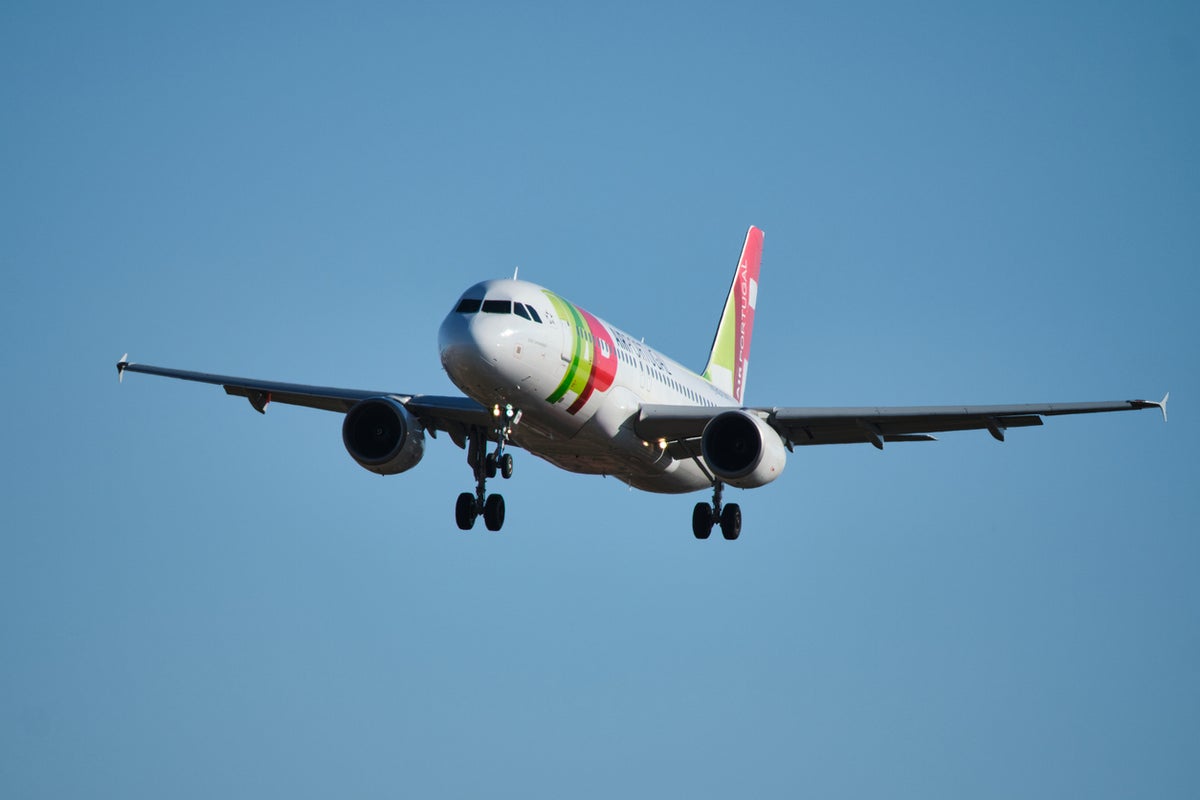
The previous general strike on 3 June, which saw various transport unions participate, served as a precursor to the current atmosphere of unrest. While that earlier event saw cabin crew unions, such as the SNPVAC, participate, pilots notably chose not to join the movement. TAP Air Portugal, which was forced to operate a reduced schedule of 79 flights during the June disruption, continues to monitor the situation.
How significant is this development?
Contribute your assessment to the aggregated reader sentiment ledger.
Frequently Asked Questions
Key questions answered in this reportWhat is the key development in: Portuguese airport strikes threaten UK summer holiday flights?
Ground staff at Portuguese airports have announced weekend strikes throughout August, which are expected to impact check-in, baggage handling, and maintenance.
Why is this Transport development significant for the UK?
This report covers critical events in our Transport beat. Independent reporting monitors related UK statements, regulatory shifts, and public responses as further verified details emerge.
How was this reporting corroborated and verified?
Newsarchy UK compiles and cross-references reporting from primary reporting from travelandtourworld.com and cross-checked wire reports. All coverage adheres to published editorial standards.
When was this report published?
This briefing was published on July 11, 2026 and is permanently cataloged in the Newsarchy UK Transport archives.