US and Iran exchange strikes as regional infrastructure damage grows
Conflict between the US and Iran has intensified as both sides target critical infrastructure, disrupting energy transport and hitting facilities in neighboring nations.

- Core Development: Conflict between the US and Iran has intensified as both sides target critical infrastructure, disrupting energy transport and hitting facilities in neighboring nations.
- Beat Context: Categorized under Transport with independent corroboration.
- Reporting Depth: 3 minute analytical read synthesized from verified newsroom sources.
The conflict between the United States and Iran has widened significantly as of Saturday, 18 July 2026, with the combatants now exchanging strikes that target critical regional infrastructure. The intensifying battle centers on the Strait of Hormuz, a vital maritime corridor that historically facilitated the transit of approximately one-fifth of the world’s crude oil. Following the collapse of an interim ceasefire, the military campaign has escalated into a seven-night streak of U.S. Airstrikes, prompting retaliatory Iranian missile and drone launches across the Middle East.
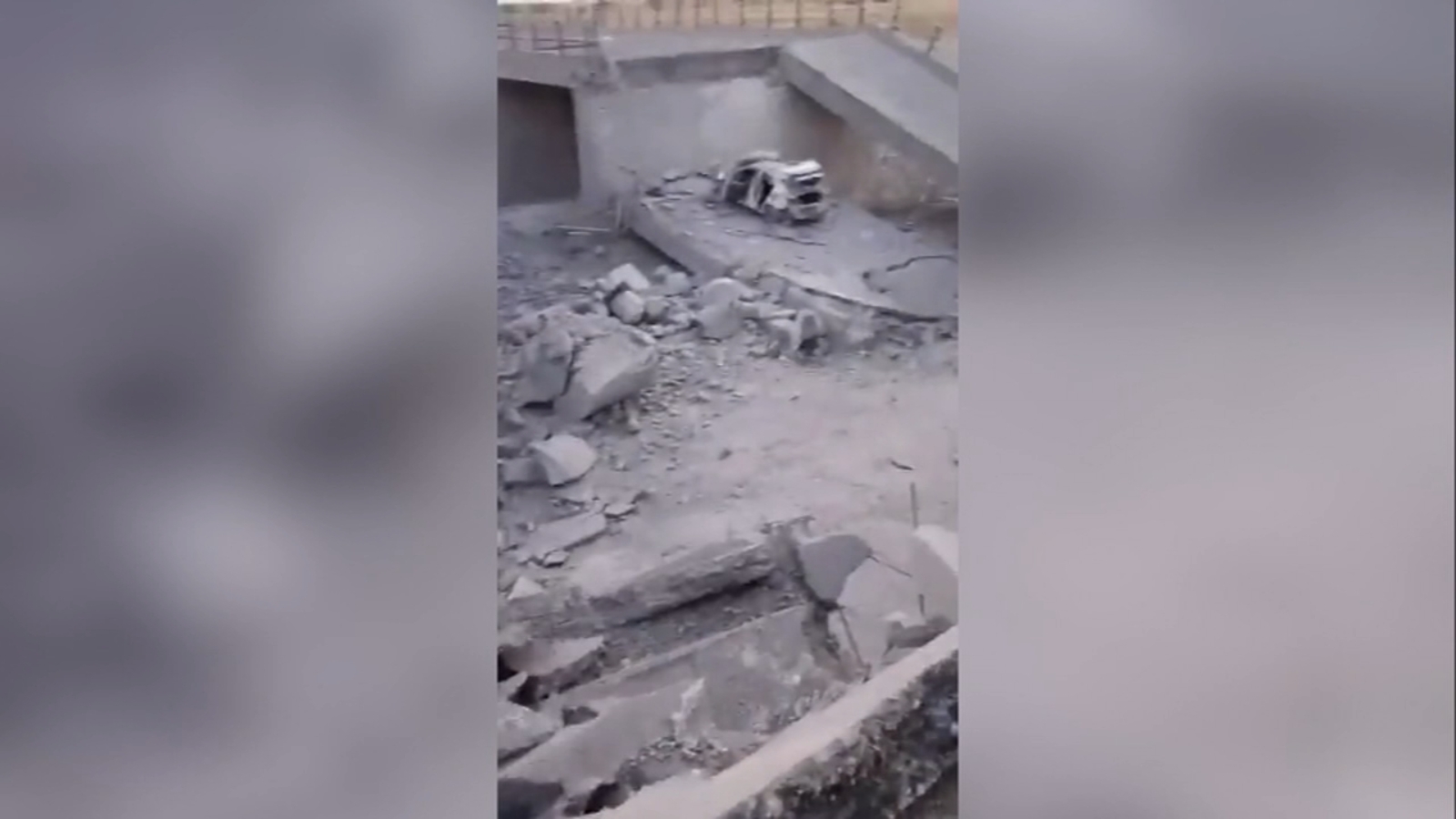
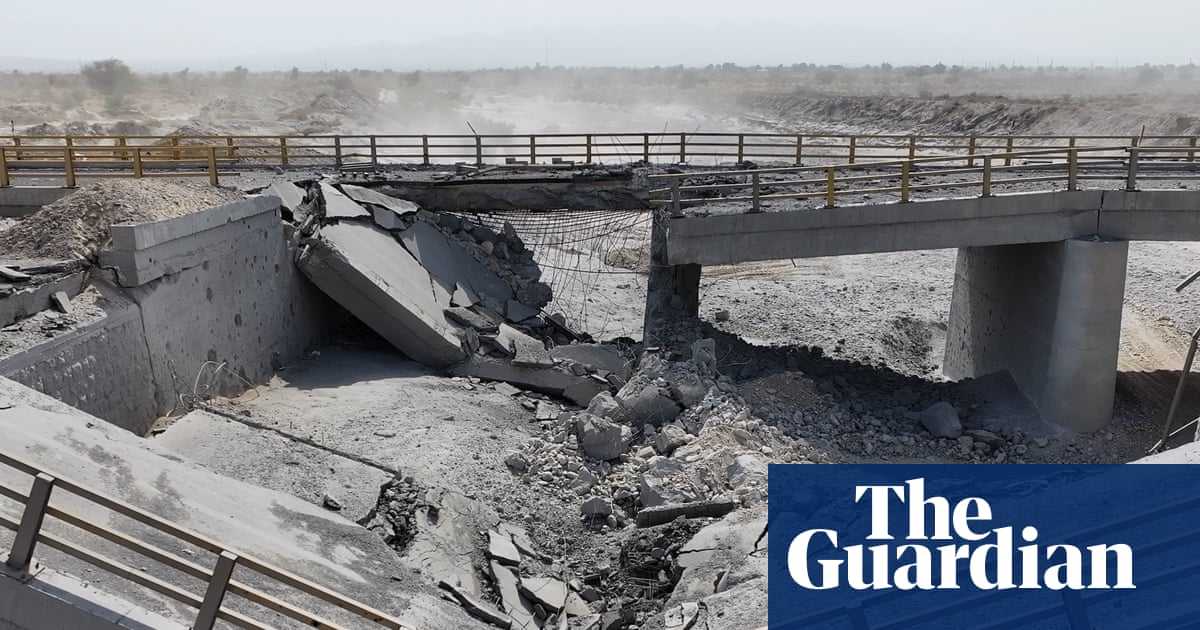
U.S. Central Command confirmed that recent operations have targeted military logistics, surveillance sites, and underground weapons storage. In an expansion of this campaign, U.S. Forces have hit bridges and railway infrastructure in Iran’s Hormozgan province, moves intended to sever connections between the port city of Bandar Abbas and the Iranian capital, Tehran. Furthermore, U.S. Strikes collapsed a tower at the Chabahar port on the Gulf of Oman, which the U.S. Military categorized as part of a maritime surveillance network used by the Islamic Revolutionary Guard Corps (IRGC) to target commercial vessels. Iran’s Energy Ministry has acknowledged that electrical infrastructure has been damaged, issuing directives for citizens to reduce consumption as southern provinces endure extreme heat.
Media additions

Retaliatory actions by Iranian forces have increasingly impacted neutral and allied nations. Kuwait has suffered notable infrastructure damage, including strikes on a power and water desalination plant that forced multiple generation units offline. Because Kuwait relies on desalination for 90 percent of its drinking water, the facility’s compromise has disrupted essential services. Iranian missiles were also intercepted by defense systems in Jordan, while Qatar experienced debris falls that injured a child. Iraq reported shooting down attack drones near the city of Irbil.
The strategic stakes remain tied to the control of the Strait of Hormuz. Iran effectively closed the waterway to shipping following the initial outbreak of war on Feb. 28. While the U.S. Has reimposed a naval blockade to disrupt Iranian crude oil shipments, shipping volumes have dropped to levels not seen in three weeks.
Regional Impact Summary
| Nation | Reported Impact |
|---|---|
| Kuwait | Desalination plant and power facility damaged by missiles; temporary airport closures. |
| Iran | Bridges, energy sites, and surveillance towers destroyed; significant casualties reported. |
| Qatar | Air defenses intercepted missiles; debris caused civilian injuries. |
| Jordan | Missiles intercepted by state defense systems. |
The human cost of the conflict is rising on both sides. Iranian officials state that dozens have been killed and hundreds wounded in recent weeks. The U.S. Military acknowledged that 13 additional U.S. Service members — 10 Army soldiers and three Navy sailors — had been injured since Monday. Since the war began, 14 U.S. Service members have been killed and 427 wounded. Despite these mounting figures, President Donald Trump maintained in a public address on Thursday that the war was going well, suggesting the U.S. Would soon see the results of its military pressure.
As the blockade continues, the transport of energy via shipping remains significantly restricted. While some regions are attempting to shift logistics toward pipelines, there is currently no capacity to offset the lost volume from the Strait of Hormuz. The IRGC has issued warnings to countries hosting U.S. Bases that they may face further responses if the strikes against Iranian infrastructure persist.
How significant is this development?
Contribute your assessment to the aggregated reader sentiment ledger.
Frequently Asked Questions
Key questions answered in this reportWhat is the key development in: US and Iran exchange strikes as regional infrastructure damage grows?
Conflict between the US and Iran has intensified as both sides target critical infrastructure, disrupting energy transport and hitting facilities in neighboring nations.
Why is this Transport development significant for the UK?
This report covers critical events in our Transport beat. Independent reporting monitors related UK statements, regulatory shifts, and public responses as further verified details emerge.
How was this reporting corroborated and verified?
Newsarchy UK compiles and cross-references reporting from primary reporting from aol.com and cross-checked wire reports. All coverage adheres to published editorial standards.
When was this report published?
This briefing was published on July 18, 2026 and is permanently cataloged in the Newsarchy UK Transport archives.