US strikes Iranian bridges and infrastructure as conflict over strait grows
Following a collapsed ceasefire, the US military is targeting Iranian bridges and energy hubs, disrupting regional infrastructure and global shipping lanes.
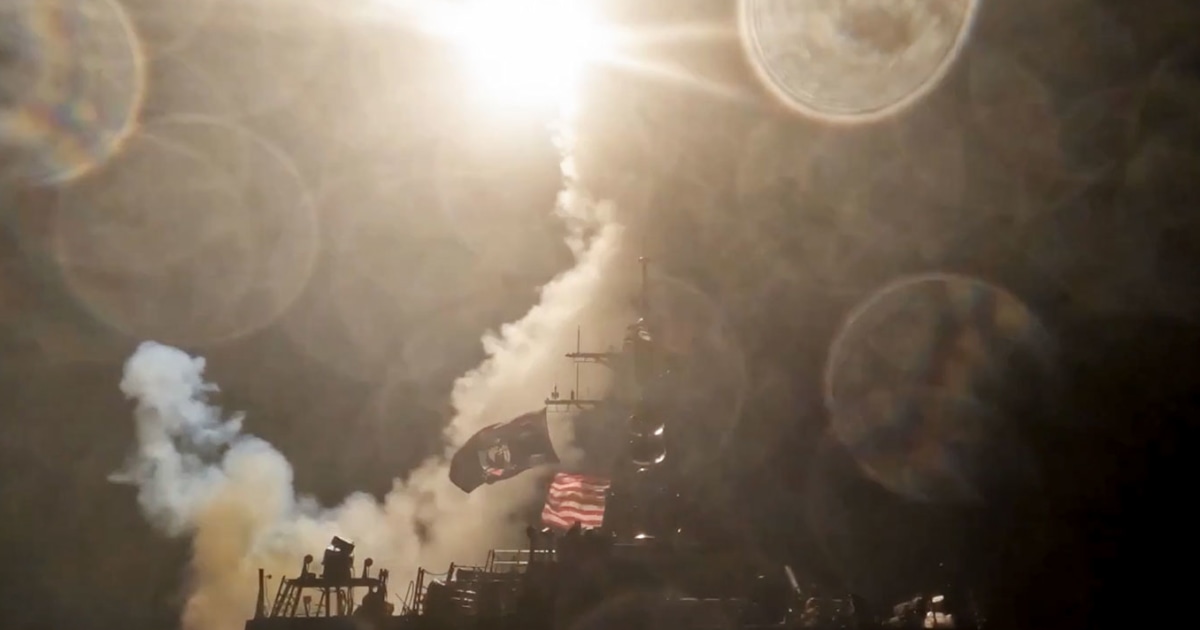
- Core Development: Following a collapsed ceasefire, the US military is targeting Iranian bridges and energy hubs, disrupting regional infrastructure and global shipping lanes.
- Beat Context: Categorized under Transport with independent corroboration.
- Reporting Depth: 3 minute analytical read synthesized from verified newsroom sources.
The United States military has escalated its campaign against Iranian infrastructure, conducting a seventh consecutive night of airstrikes as the conflict over the Strait of Hormuz intensifies. Following the collapse of a recent interim ceasefire, the U.S. Has expanded its operational scope, targeting key transportation and energy hubs to pressure Tehran into relinquishing its attempts to control the vital waterway.
U.S. Central Command, confirming the strikes, stated that the campaign aims to degrade Iranian military capabilities. Reports from Iranian state media indicate that the strikes have hit multiple bridges in Hormozgan province, a railway junction station near Bandar Abbas, and power infrastructure across the region. Additionally, U.S. Forces successfully destroyed a maritime surveillance tower at the Chabahar port, a facility which the U.S. Military asserts was utilized by the Islamic Revolutionary Guard Corps to track commercial vessels.
Media additions

The disruption to regional infrastructure has extended beyond Iran's borders. Retaliatory actions by Iranian forces included strikes on power and water desalination facilities in Kuwait, which the country relies upon for its drinking water supply. Further regional impact was noted in Qatar, where falling debris from an intercepted Iranian weapon injured a child, and in Jordan, where military officials confirmed the interception of incoming missiles. In Iraq, separate explosions were reported in the Kurdish region, resulting in multiple casualties.
Escalation in the Strait of Hormuz
Shipping activity through the Strait of Hormuz has plummeted, with data indicating that only 8 vessels transited the waterway on Thursday. This decline reflects a significant shift from periods of higher traffic during the now-defunct ceasefire. The U.S. Has reimposed a naval blockade on Iranian ports, leading to the redirection of several commercial ships. According to official U.S. Statements, these measures are necessary to ensure that shipping lanes remain open despite attempts by Tehran to enforce a transit fee and restrict vessels to a specific route near the Iranian coastline.
The conflict has also prompted a rise in global energy prices, with Brent crude surpassing $88 a barrel on Friday. While White House officials have sought to reassure the public regarding potential market volatility, the ongoing closure of the strait and the targeting of energy infrastructure have exacerbated concerns regarding global supply lines. Amidst these developments, the United Nations Secretary-General has characterized attacks on civilian infrastructure as unacceptable, calling for a de-escalation of hostilities.
Claims and Counterclaims
Information regarding the impact of the strikes remains a point of contention between the two nations. The Iranian Revolutionary Guard Corps claimed to have executed surprise attacks on U.S. Interests, alleging the destruction of aircraft in Jordan and an assault on the Al-Tanf base in Syria. However, the U.S. Military has formally denied these claims, noting that American forces had vacated the Al-Tanf site in February. A Syrian military source also disputed reports of a bombardment in that area.
Discrepancies persist regarding casualties and the nature of the targeted sites. Conversely, the U.S. Military has maintained a focus on military and logistical targets, dismissing allegations that civilian sites were the intentional objective of the air campaign.
What to Watch Next
- Shipping Routes: Continued monitoring of whether commercial vessels adhere to the U.S.-supported route along the Omani coast or attempt to navigate the northern route despite the threat of Iranian interference.
- Energy Supply: Further assessments from Kuwait and Iran regarding the restoration of power and water desalination facilities damaged during the most recent exchanges.
- Diplomatic Channels: While the ceasefire has collapsed, the White House has indicated that communication channels remain open, with administration officials suggesting that Tehran has expressed interest in reaching a new agreement.
- Naval Blockade: Monitoring the U.S. "steel wall" blockade for further interceptions or boardings of commercial vessels attempting to access Iranian ports.
As the situation remains volatile, the transport sector faces ongoing uncertainty regarding the movement of goods through the Gulf. With no clear end to the military engagement, the focus remains on whether the current strategy of targeted destruction will influence Tehran’s position on the management of the strait or lead to a broader regional confrontation.
How significant is this development?
Contribute your assessment to the aggregated reader sentiment ledger.
Frequently Asked Questions
Key questions answered in this reportWhat is the key development in: US strikes Iranian bridges and infrastructure as conflict over strait grows?
Following a collapsed ceasefire, the US military is targeting Iranian bridges and energy hubs, disrupting regional infrastructure and global shipping lanes.
Why is this Transport development significant for the UK?
This report covers critical events in our Transport beat. Independent reporting monitors related UK statements, regulatory shifts, and public responses as further verified details emerge.
How was this reporting corroborated and verified?
Newsarchy UK compiles and cross-references reporting from primary reporting from nbcnews.com and cross-checked wire reports. All coverage adheres to published editorial standards.
When was this report published?
This briefing was published on July 17, 2026 and is permanently cataloged in the Newsarchy UK Transport archives.