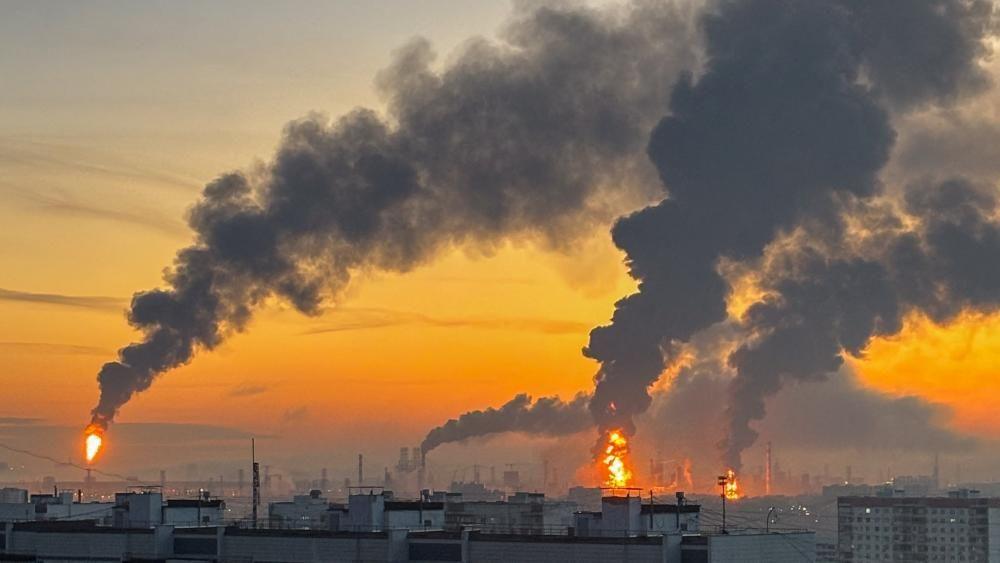
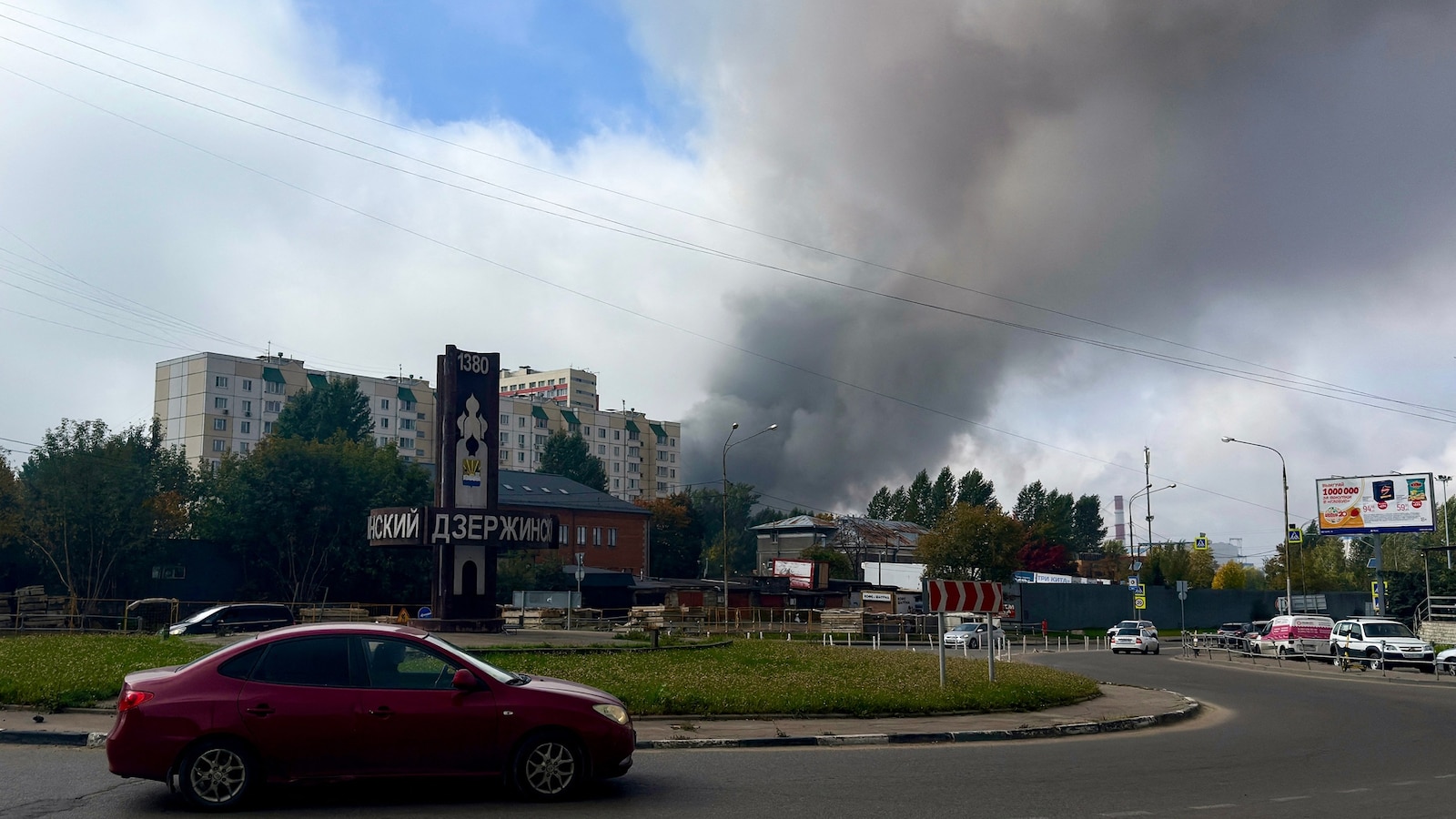
Iran escalates regional conflict with missile strikes on Gulf infrastructure
Hostilities in the Persian Gulf have intensified as Iran targets U.S. military bases and critical infrastructure across multiple nations, ending the ceasefire.
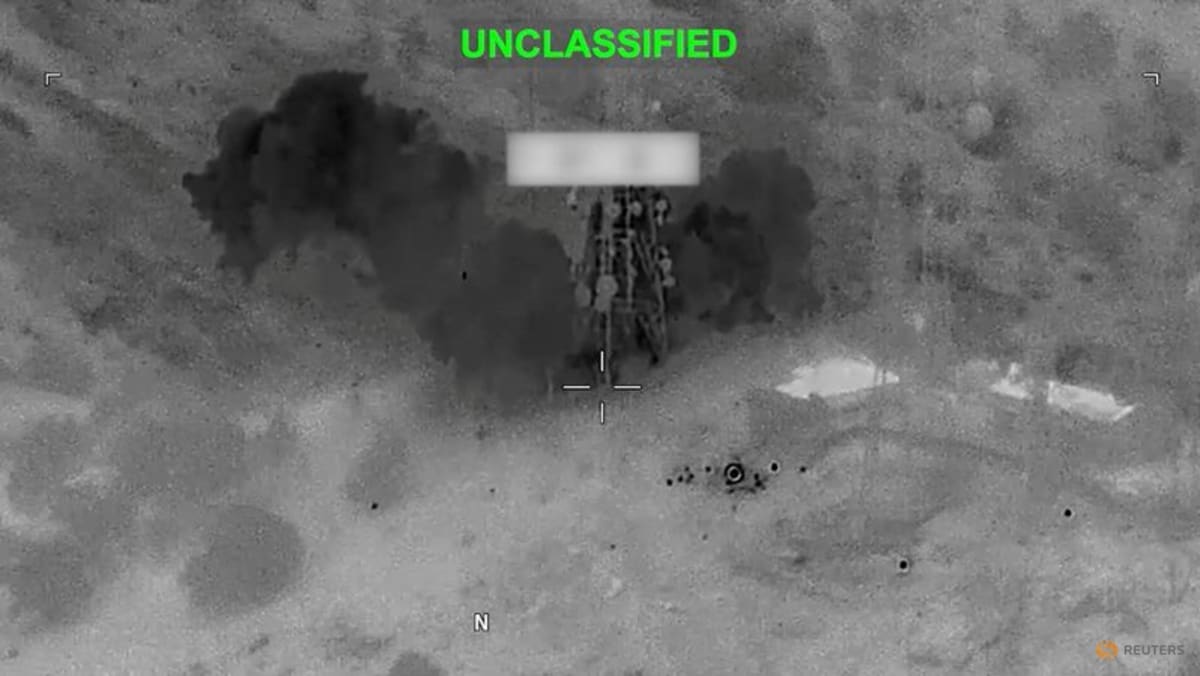
- Core Development: Hostilities in the Persian Gulf have intensified as Iran targets U.S. military bases and critical infrastructure across multiple nations, ending the ceasefire.
- Beat Context: Categorized under World with independent corroboration.
- Reporting Depth: 4 minute analytical read synthesized from verified newsroom sources.
The regional conflict in the Persian Gulf deepened significantly on Saturday, 18 July 2026, as Iran launched a series of missile and drone strikes against U.S. Military assets and regional infrastructure. This latest escalation follows a seventh consecutive night of U.S. Airstrikes targeting Iranian military logistics and surveillance capabilities, marking a total breakdown of the ceasefire agreement that had previously provided a temporary reprieve from the ongoing war.
The intensification of hostilities has centered on the Strait of Hormuz, a critical maritime corridor for one-fifth of the world’s oil supply. In response, the U.S. Has maintained a naval blockade, leading to direct confrontations, including the redirection and boarding of commercial vessels. Iran’s Persian Gulf Strait Authority stated that passage through the waterway is currently impossible due to what it described as illegal movements by U.S. Military forces.
Media additions
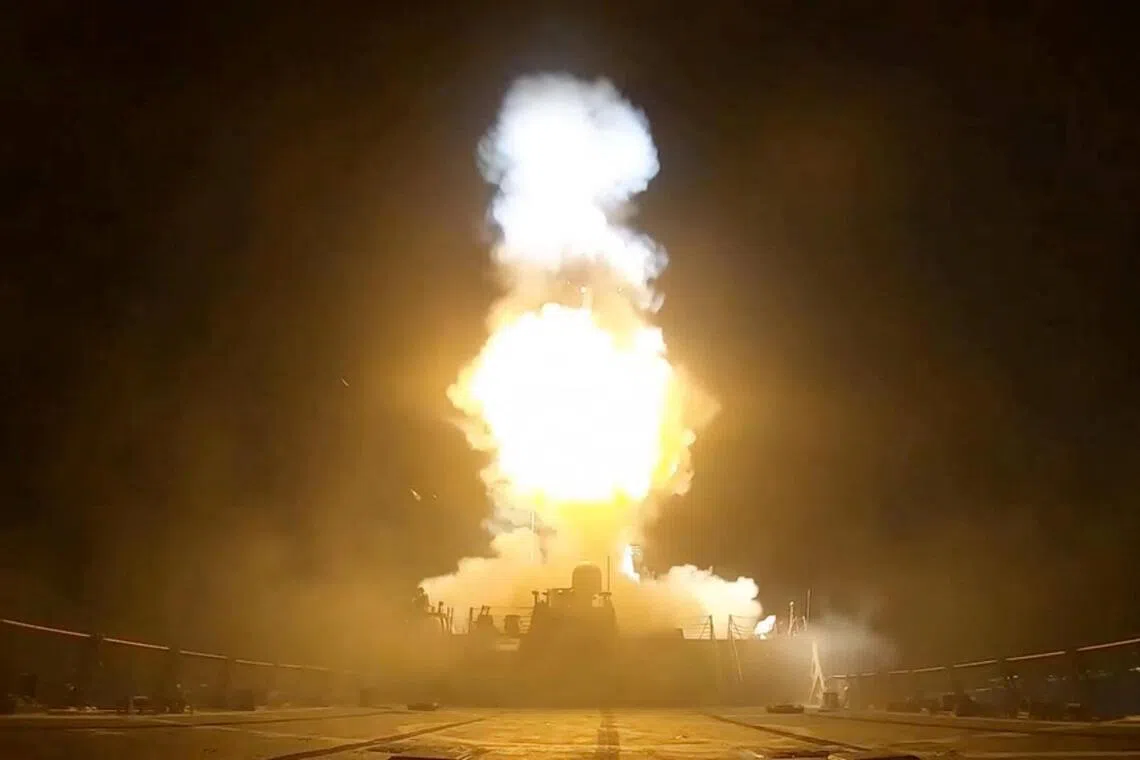


Escalation Across the Gulf
The conflict has expanded beyond the immediate Iranian coast, with Iran conducting strikes against locations in Bahrain, Kuwait, Qatar, Jordan, and Oman. In Kuwait, infrastructure came under sustained pressure; the nation’s Electricity, Water and Renewable Energy Ministry confirmed that power and water desalination plants were struck, while flight operations at Kuwait International Airport were suspended. The Islamic Revolutionary Guard Corps claimed responsibility for attacks on U.S. Support centers at Camp Arifjan and Ali Al Salem Air Base, with Iranian state media reporting the destruction of a radar facility.
In other regions, the Islamic Revolutionary Guard Corps reported targeting a site in Bahrain where U.S. Combat aircraft were stationed, as well as an intelligence data center. Reports also indicated that missile and drone attacks struck a base in Al Azraq, Jordan, with Iranian state media claiming the destruction of U.S. Aircraft. Qatar, which had been a mediator in previous ceasefire negotiations, reported that shrapnel from intercepted fire caused injuries to civilians, including a child. The U.S. Embassy in Oman issued a shelter-in-place advisory for nationals in Duqm and Musandam following drone attacks.
The scope of the attacks has drawn criticism regarding the impact on civilian populations. In Iran, local reports indicated that strikes hit power and water facilities in the city of Jask, leaving thousands without access to water. International concern has risen, with the United Nations expressing alarm over the targeting of civilian infrastructure across the region.
Strategic and Political Context
The U.S. Military blockade and the accompanying aerial campaign are aimed at degrading Iran’s ability to disrupt maritime navigation. However, the military exchange has had a tangible effect on global markets. Oil prices climbed more than 4% on Friday to their highest level in more than a month, applying political pressure on U.S. President Donald Trump as his Republican Party tries to hold on to power in November congressional elections. Tehran’s negotiators have rejected the previous diplomatic framework, citing "overt and covert" pressure from Washington as the reason for the failure of recent talks in Muscat.
U.S. Officials maintain that the naval blockade is necessary to ensure freedom of navigation. President Donald Trump has indicated the U.S. Will continue to exert pressure, while Iran’s leadership has pledged to maintain its current pace of operations until it deems regional security and calm have been restored.
What to Watch Next
The conflict remains highly volatile, with the following areas expected to dictate the trajectory of the coming week:
- Maritime Traffic: Monitoring whether the U.S. Navy can maintain the flow of commercial vessels through the Strait despite Iranian threats and permit requirements.
- Infrastructure Resilience: The ability of Gulf states to repair and protect essential desalination and power systems following repeated strikes.
- Diplomatic Posturing: Whether any backchannel communication persists despite the public dismissal of existing ceasefire terms by both the U.S. And Iran.
- Internal Political Pressure: The impact of rising energy prices on domestic politics in the U.S. And the broader implications for the administration's stated military objectives.
The U.S. Continues to maintain a substantial military presence in the theater. As of this week, Central Command confirmed that more than 50,000 U.S. Service members are operating across the Middle East. With both sides signaling a commitment to their respective military paths, the coming days will serve as a test for the stability of the entire region.
How significant is this development?
Contribute your assessment to the aggregated reader sentiment ledger.
Frequently Asked Questions
Key questions answered in this reportWhat is the key development in: Iran escalates regional conflict with missile strikes on Gulf infrastructure?
Hostilities in the Persian Gulf have intensified as Iran targets U.S. military bases and critical infrastructure across multiple nations, ending the ceasefire.
Why is this World development significant for the UK?
This report covers critical events in our World beat. Independent reporting monitors related UK statements, regulatory shifts, and public responses as further verified details emerge.
How was this reporting corroborated and verified?
Newsarchy UK compiles and cross-references reporting from primary reporting from tbsnews.net and cross-checked wire reports. All coverage adheres to published editorial standards.
When was this report published?
This briefing was published on July 18, 2026 and is permanently cataloged in the Newsarchy UK World archives.