US and Iran escalate air strikes as conflict over Strait of Hormuz intensifies
US-Iran hostilities have escalated into a sustained campaign of aerial strikes against regional infrastructure, leading to significant casualties and shipping disruptions.
- Core Development: US-Iran hostilities have escalated into a sustained campaign of aerial strikes against regional infrastructure, leading to significant casualties and shipping disruptions.
- Beat Context: Categorized under World with independent corroboration.
- Reporting Depth: 3 minute analytical read synthesized from verified newsroom sources.
The military confrontation between the United States and Iran escalated sharply on Friday, 17 July 2026, as both nations engaged in a sustained exchange of strikes targeting regional infrastructure and military logistics. By the early hours of Saturday, 18 July 2026, the U.S. Military had completed a seventh consecutive night of aerial operations. The conflict, which began on 28 February 2026, has intensified significantly following the collapse of an interim ceasefire and the subsequent reimposition of a U.S. Naval blockade on Iranian ports.
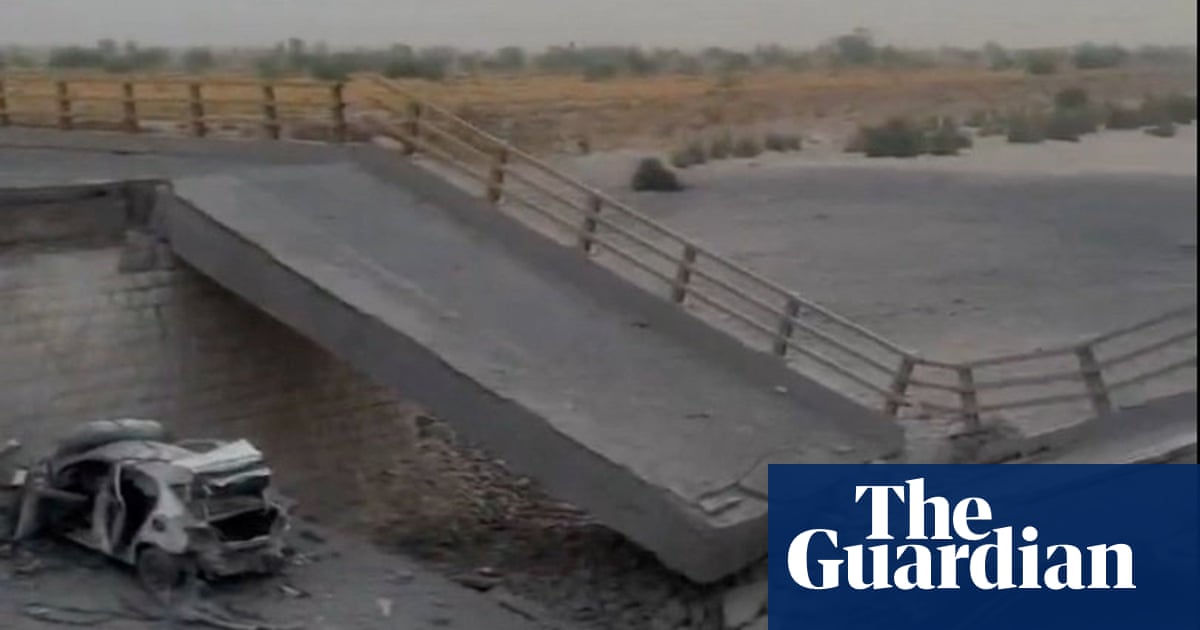
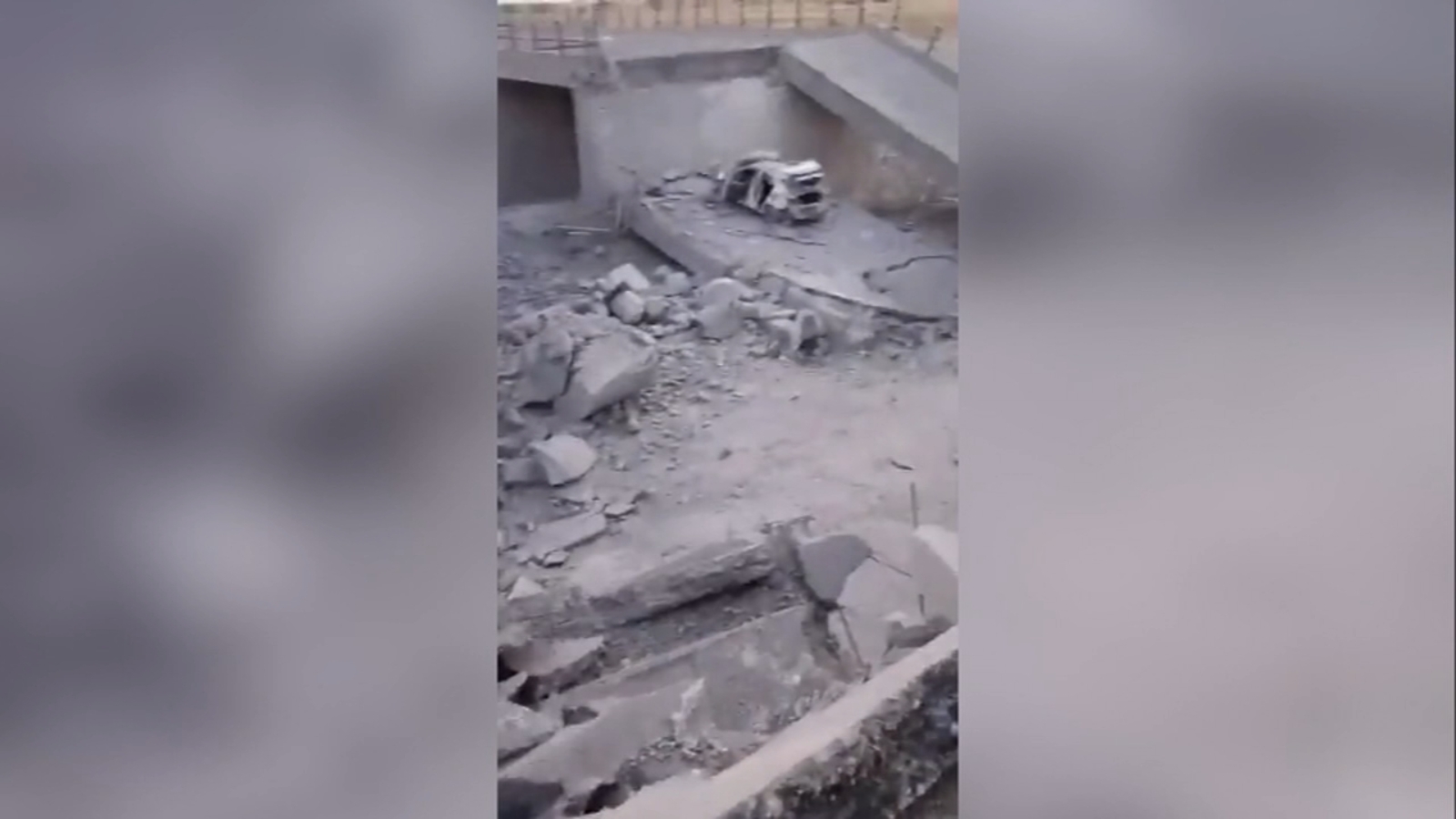
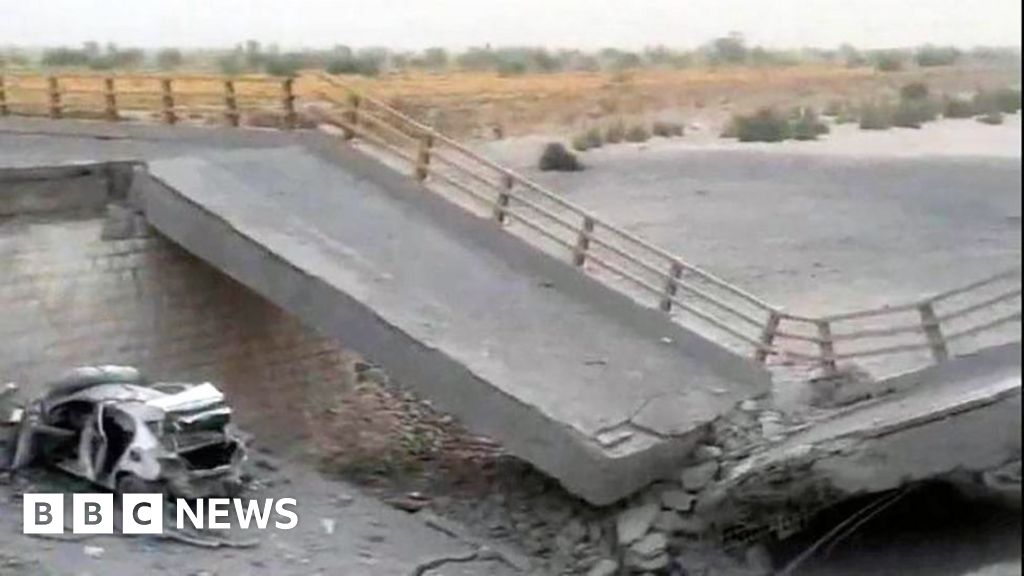
U.S. Central Command confirmed that recent operations were designed to continue degrading Iranian military capabilities. The strikes expanded to include bridges in the Hormozgan province, energy facilities, and a maritime surveillance tower at the Chabahar port. While the U.S. Maintains that these targets are linked to the Revolutionary Guard's ability to track and threaten commercial shipping in the Strait of Hormuz, Iranian officials report that the attacks have hit civilian infrastructure, including transit hubs and power plants. In southern Iran, the Ministry of Energy requested that citizens reduce electricity consumption to manage grid strain caused by the loss of infrastructure during extreme heat.
Media additions

The human cost of the latest escalation is high. Iranian authorities stated that at least 46 people have been killed and over 400 wounded in recent U.S. Strikes. U.S. Central Command acknowledged that 13 additional service members have been injured since Monday, bringing the total casualties for American forces in the conflict to 14 killed and 427 wounded. Concerns regarding the legality of the strikes were raised by the United Nations Secretary-General, who characterized the targeting of civilian infrastructure as unacceptable.
The conflict has spread beyond the Iranian border, as Iranian forces retaliated against U.S.-allied nations throughout the region. Attacks occurred across multiple countries:
- Kuwait: Strikes targeted power and water desalination facilities, causing a fire and widespread damage. The nation relies on desalination for approximately 90% of its drinking water. Several military personnel were reported injured.
- Qatar: Iranian missiles forced the public to take shelter. Falling debris from an intercepted missile wounded a child.
- Iraq: Attacks in the Kurdish region killed at least nine members of the Iranian Kurdish dissident group Komala.
- Bahrain and Jordan: Both nations faced Iranian targeting of military facilities and logistical sites.
The Strait of Hormuz remains the focal point of the hostilities. Shipping data indicates that traffic through the waterway has plummeted to a three-week low, with only eight vessels recorded on Thursday, 16 July 2026. The disruption has unsettled global markets, with Brent crude prices rising above $86 per barrel by Friday, reaching their highest level in a month. U.S. Forces have actively enforced a naval blockade, redirecting commercial vessels and boarding ships to ensure compliance, while Iran has urged vessels to follow its own transit requirements.
Diplomatic rhetoric remains polarized. U.S. President Donald Trump addressed the American public, stating that the U.S. Is winning big
and that the results of the military campaign would be apparent shortly. Conversely, Iranian military advisers have threatened a transition to a phase of offence and complete destruction
should the U.S. Campaign against infrastructure persist.
What to watch next
- Humanitarian Impact: The damage to water desalination infrastructure in the Gulf poses a threat to regional water supplies, which international monitors warn could lead to severe humanitarian consequences within days.
- Energy Markets: With the memorandum of understanding collapsed and shipping largely paralyzed, analysts are monitoring for further spikes in oil and gas prices as the international community watches for signs of stabilization.
- Military Posture: The Revolutionary Guard has warned that countries hosting U.S. Bases will pay a
devastating price
for the continuation of strikes, signaling a potential for the conflict to broaden further across the Middle East.
How significant is this development?
Contribute your assessment to the aggregated reader sentiment ledger.
Frequently Asked Questions
Key questions answered in this reportWhat is the key development in: US and Iran escalate air strikes as conflict over Strait of Hormuz intensifies?
US-Iran hostilities have escalated into a sustained campaign of aerial strikes against regional infrastructure, leading to significant casualties and shipping disruptions.
Why is this World development significant for the UK?
This report covers critical events in our World beat. Independent reporting monitors related UK statements, regulatory shifts, and public responses as further verified details emerge.
How was this reporting corroborated and verified?
Newsarchy UK compiles and cross-references reporting from primary reporting from apnews.com and cross-checked wire reports. All coverage adheres to published editorial standards.
When was this report published?
This briefing was published on July 18, 2026 and is permanently cataloged in the Newsarchy UK World archives.


