US strikes Iran, Tehran hits Gulf allies in widening Middle East clash
A fresh round of coordinated attacks has shattered a fragile interim cease-fire, pushing the U.S. and Iran toward a widening Middle East conflict.

- Core Development: A fresh round of coordinated attacks has shattered a fragile interim cease-fire, pushing the U.S. and Iran toward a widening Middle East conflict.
- Beat Context: Categorized under World with independent corroboration.
- Reporting Depth: 5 minute analytical read synthesized from verified newsroom sources.
President Donald Trump’s decision on Tuesday to reinstate a blockade of Iranian ports and to levy a 20 % fee on cargo transiting the Strait of Hormuz sparked a fresh round of coordinated attacks that have shattered a fragile interim cease‑fire and pushed the global oil market toward new highs.
The United States launched airstrikes on Iran early on Tuesday, hitting “coastal defense systems, missile and drone sites and maritime capabilities,” according to U.S. Central Command. Within hours Tehran responded by firing missiles at Bahrain, Jordan, Kuwait and Qatar, while striking two UAE‑registered tankers – Mombasa and Al Bahiyah – that were ablaze in the strait for a time.
Media additions

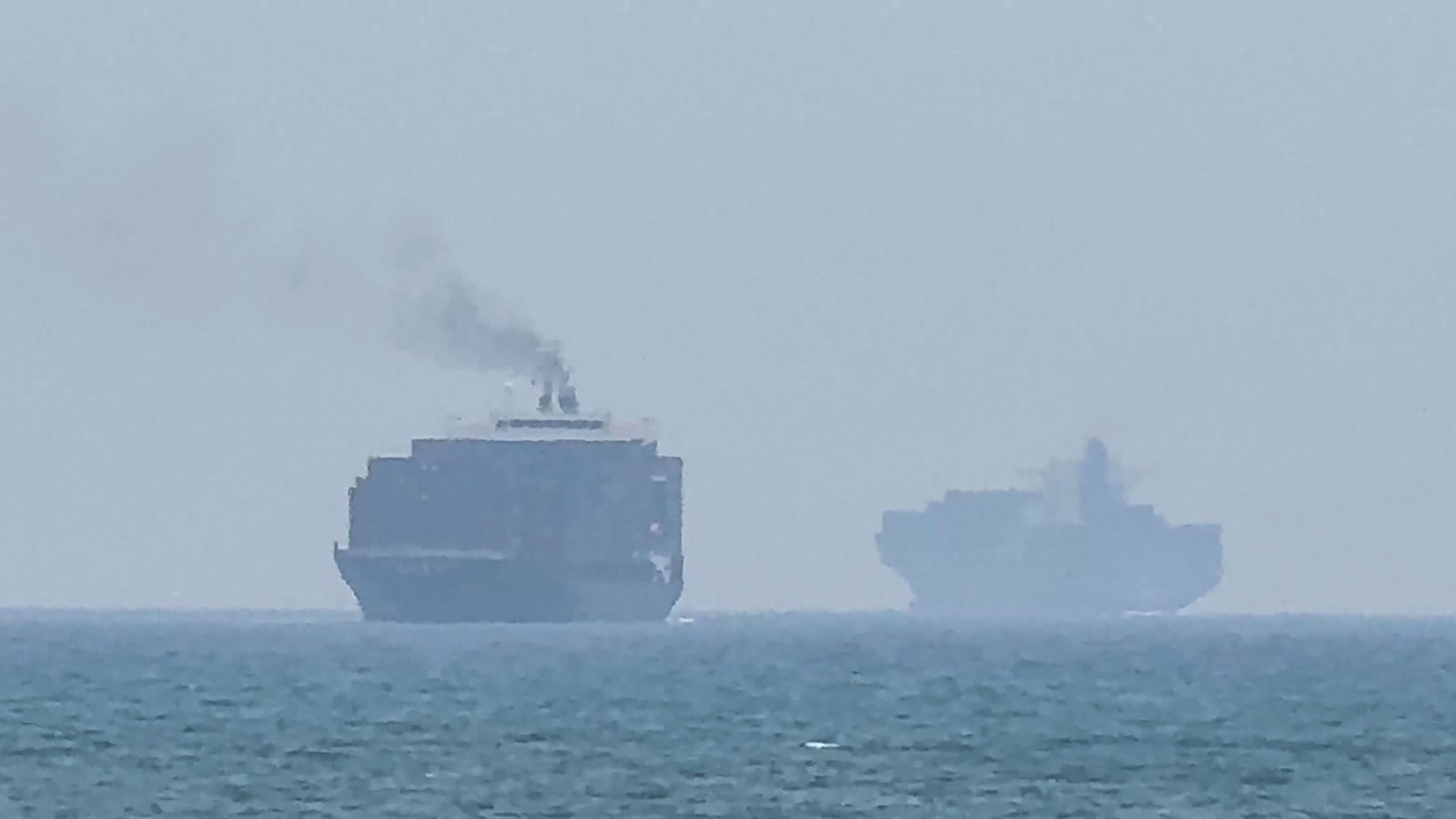
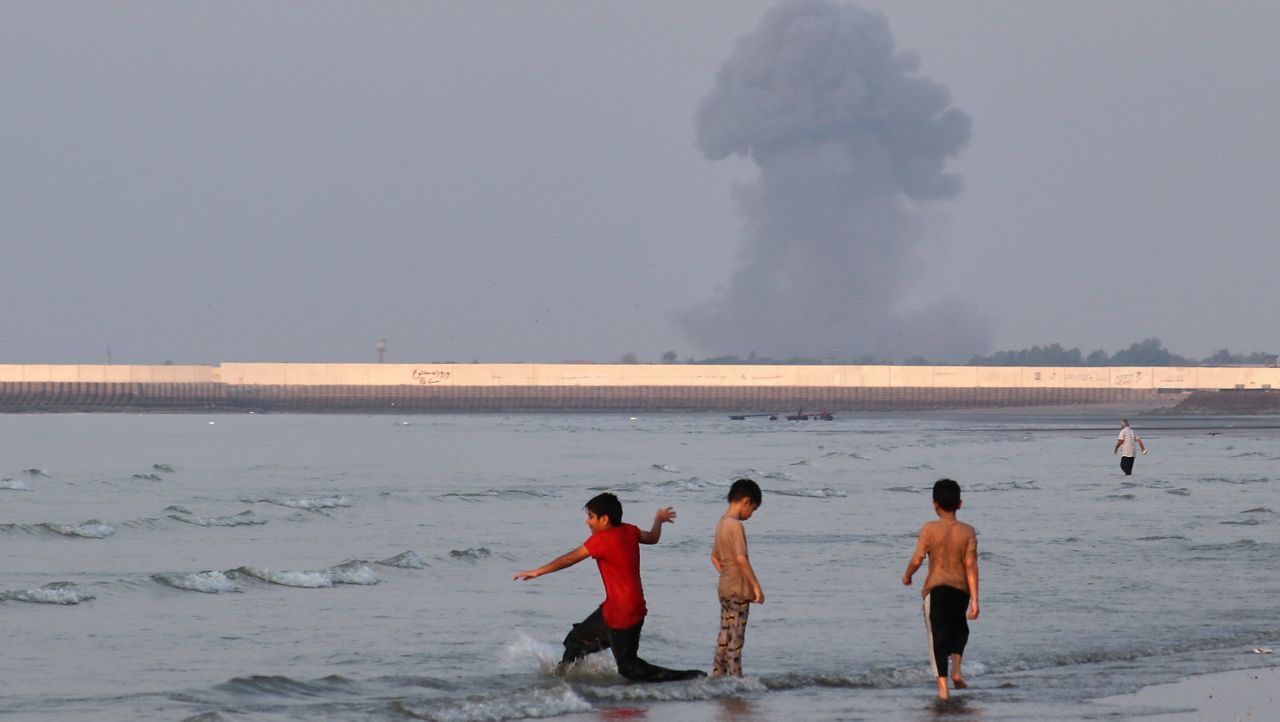
“These strikes will continue imposing a heavy cost on Iranian forces and degrade their ability to attack innocent civilians and commercial shipping in the Strait of Hormuz,” the U.S. Military said in a statement posted to X.Lowell Sun
"Based on highly productive conversations with Middle East leadership, I have decided to replace the 20% United States Reimbursement Fee with Trade and Investment Deals that the various Gulf States will be making into the United States."
Donald Trump, U.S. President, via Lowell Sun
Trump’s reversal of a previously announced toll and his announcement that the “investments will be MASSIVE” signaled a shift from the fee‑free navigation promised by Secretary of State Marco Rubio just weeks earlier. The move unsettles the “interim deal” that had kept the strait open for 60 days while negotiators worked toward a permanent settlement on Iran’s nuclear program and regional security.
Iran’s Revolutionary Guard justified the tanker attacks by saying the vessels “ignored repeated warnings.”Abc7 The UAE Defence Ministry confirmed that one crew member died and eight were wounded on the two tankers.
Meanwhile, the Iranian city of Bushehr was hit in at least four locations, prompting Tehran to accuse Gulf Arab states of “unclaimed attacks” meant to deter its retaliation.Spectrum Local News Bahrain, home to the U.S. Navy’s 5th Fleet, sounded missile‑alert sirens three times; Jordan’s military said it intercepted four Iranian missiles.
In the latest exchange on Thursday, U.S. Forces struck roughly 90 targets across Iran – including an airport runway and missile launchers – while Iran claimed to have hit a U.S. Base in Jordan.AP News The U.S. Central Command released black‑and‑white footage of the attacks.
Iran’s health ministry reported at least 14 deaths and 78 injuries from the U.S. Strikes, most of whom were military personnel.Los Angeles Times Kuwait’s defense ministry said falling debris wounded one civilian as it shot down three ballistic missiles, a cruise missile and ten drones.AP News
“The Strait of Hormuz is a vital maritime corridor for global trade. Iran does not control it,” the U.S. Central Command statement read, reiterating Washington’s claim that the waterway remains an international waterway and that U.S. Forces are “positioned and prepared to keep it that way.”Npr
International reactions have been swift. United Nations Secretary‑General António Guterres warned that “a return to full‑scale hostilities would have catastrophic consequences.”NPR Iran’s foreign ministry dismissed the comment as “unprovoked aggression” that began with U.S. And Israeli attacks on 28 February.
Oil markets have already felt the tremor. Brent crude rose to a one‑month high of over $86 per barrel on Tuesday, still far below the near‑$120 peak seen at the war’s height.Lowell Sun The price surge underscores the strategic weight of the strait, through which roughly one‑fifth of global oil and gas passes in peacetime.
Timeline of the escalation (July 2026)
- 28 Feb. U.S. And Israeli strikes launch the broader conflict.
- 9 July. Funeral for late Supreme Leader Ayatollah Ali Khamenei in Mashhad; 14 Iranian casualties reported from recent U.S. Strikes.
- 11 July. Iran announces full closure of the Strait of Hormuz; U.S. Conducts a third weekend of strikes, targeting 140 military sites.
- 13 July. Three merchant ships hit in the strait, prompting Trump’s warning that “it will get much worse.”
- 14 July. Trump announces reinstatement of the Iranian blockade and a 20 % cargo fee; U.S. Airstrikes hit coastal defenses; Iran retaliates against Bahrain, Jordan, UAE tankers, Kuwait and Qatar.
The “interim deal” that was meant to hold for 60 days is now almost halfway through its term, according to every source. Negotiators – led by Pakistan, Oman and a team of Gulf mediators – are under pressure to replace it with a permanent agreement.
Regional powers are already positioning themselves for the next round of talks. Iran’s foreign minister Abbas Araghchi said on Telegram that he had spoken with Saudi, Turkish and Omani counterparts, as well as Pakistan’s army chief Field Marshal Asim Munir, to keep diplomatic channels open.Los Angeles Times Pakistan’s deputy foreign minister Ishaq Dar echoed the sentiment, calling dialogue “the only viable path.”NPR
What to watch next
- Whether the U.S. Reinstates the naval blockade at midnight in Dubai as announced, and how that impacts commercial traffic.
- Iran’s next set of missile or drone launches against U.S. Bases in Bahrain, Kuwait or Jordan.
- Progress of the “final accord” negotiations, slated to begin after Khamenei’s funeral rites.
- Potential escalation into ground operations; analysts warn that a “much bigger armada” or “tens of thousands of troops” would be required for a full‑scale invasion.
- Further movements in global oil markets; see Oil prices surge 5 percent as US and Iran clash over Strait of Hormuz for up‑to‑date pricing.
With the strait’s freedom of navigation at stake, the United States and Iran are now locked in a high‑risk tit‑for‑tat that threatens to undo months of diplomatic effort. Until the next diplomatic breakthrough – if one comes – the world will watch closely as sirens sound in Bahrain, missiles flash over Kuwait and the price of every barrel of oil climbs higher.
How significant is this development?
Contribute your assessment to the aggregated reader sentiment ledger.
Frequently Asked Questions
Key questions answered in this reportWhat is the key development in: US strikes Iran, Tehran hits Gulf allies in widening Middle East clash?
A fresh round of coordinated attacks has shattered a fragile interim cease-fire, pushing the U.S. and Iran toward a widening Middle East conflict.
Why is this World development significant for the UK?
This report covers critical events in our World beat. Independent reporting monitors related UK statements, regulatory shifts, and public responses as further verified details emerge.
How was this reporting corroborated and verified?
Newsarchy UK compiles and cross-references reporting from primary reporting from 2news.com and cross-checked wire reports. All coverage adheres to published editorial standards.
When was this report published?
This briefing was published on July 14, 2026 and is permanently cataloged in the Newsarchy UK World archives.