Trump drops Strait of Hormuz toll plan for new Middle East trade deals
The administration is pivoting to new investment agreements with Gulf partners as the interim peace deal with Iran collapses following renewed military strikes.
Trump drops Strait of Hormuz toll plan for new Middle East trade deals
EXECUTIVE BRIEFKey Takeaways & Signal
Core Development: The administration is pivoting to new investment agreements with Gulf partners as the interim peace deal with Iran collapses following renewed military strikes.
Beat Context: Categorized under World with independent corroboration.
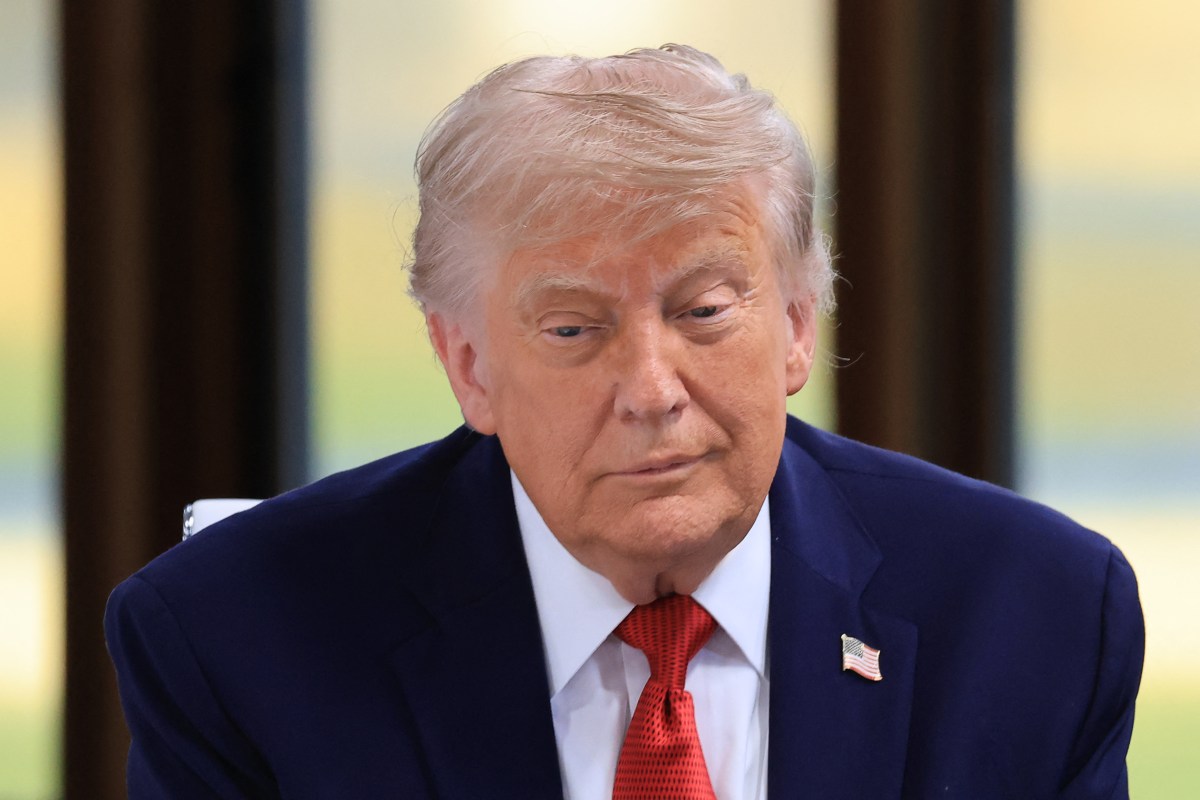
President Donald Trump announced on Tuesday a reversal of his plan to levy a 20% toll on cargo transiting the Strait of Hormuz. The proposal, which had been framed as a reimbursement for American security efforts in the region, is being replaced by new trade and investment agreements with Gulf states. The shift occurs as military confrontations between the United States and Iran continue to escalate, effectively sidelining a 60-day interim peace deal intended to secure the crucial waterway.
The president announced the change via social media, stating the move followed productive discussions with regional leadership.
"Based on highly productive conversations with Middle East leadership, I have decided to replace the 20% United States Reimbursement Fee with Trade and Investment Deals that the various Gulf States will be making into the United States,"
Media additions
Image via timesnownews.comImage via newsweek.comImage via fortune.com
Donald Trump, President, via Social Media
He described the incoming investments as MASSIVE, though details regarding the scope or novelty of these commitments remain unconfirmed by the administration.
The initial plan to charge vessels had faced intense scrutiny. Logistics experts and shipping industry representatives had argued that such a levy, which industry analysts estimated could cost the largest tankers tens of millions of dollars per shipment, would lack a legal basis under international norms governing the free transit of international straits.
Escalating Regional Conflict
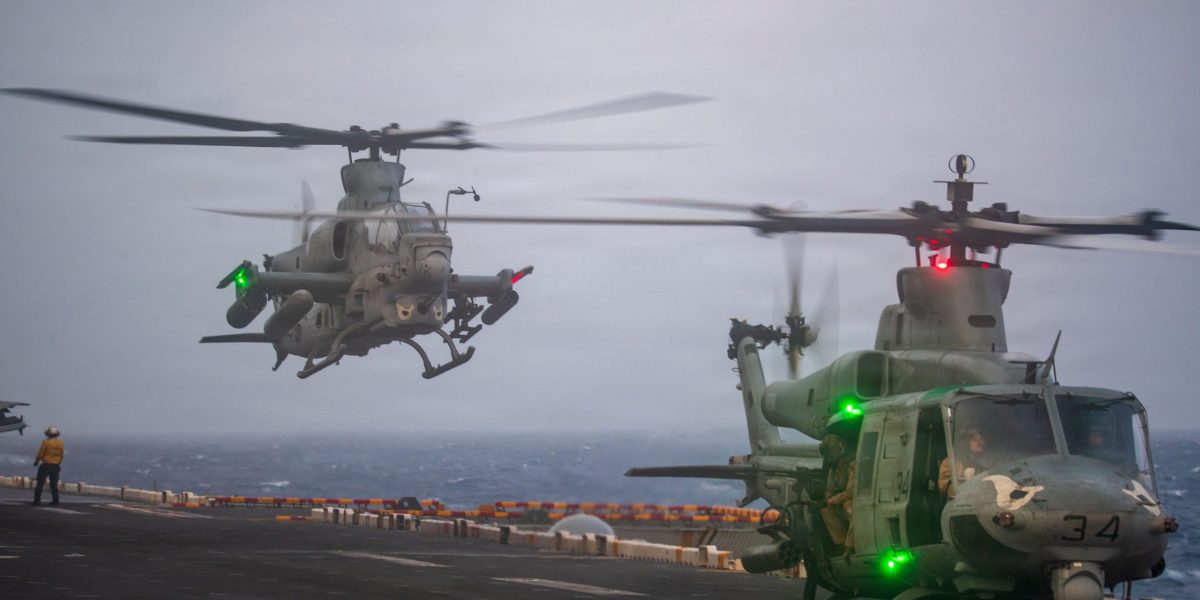
The policy reversal coincides with a sharp deterioration in regional security. On Tuesday, the U.S. Military’s Central Command confirmed strikes targeting Iranian coastal defense systems, drone facilities, and maritime infrastructure. These actions were met with retaliatory strikes from Iran, including attacks on Bahrain, Jordan, and multiple commercial tankers. The Emirati Defense Ministry said the attack on the tankers Mombasa and Al Bahiyah killed one mariner and wounded eight others. Dutch firm Stolt Tankers reported that its ship, Stolt Magnesium, also came under attack, resulting in an engine room fire.
The price of Brent crude oil reached a one-month high of over $87 per barrel during Tuesday's trading sessions as market volatility tracked the renewed instability. Despite the American presence, the U.S. Military has struggled to deter all Iranian projectile launches, prompting the European Union Aviation Safety Agency to issue warnings regarding the high risk to civil flights over the Gulf region.
Stalled Diplomacy and Shifting Alliances
The 60-day memorandum of understanding signed between Washington and Tehran—meant to pause the fighting that began on February 28—is now widely considered to be in collapse. Tensions have been exacerbated by conflicting interpretations of the agreement. While the U.S. Maintained that the strait should remain free for all, Iranian officials claimed authority over the passage, establishing a regulatory body to oversee maritime transit.
Current mediation efforts, led by Pakistan, remain ongoing but have yet to yield a durable ceasefire. In Rome, Lebanese and Israeli delegations were expected to meet on Tuesday to continue U.S.-mediated negotiations, though progress on their own framework agreement regarding the disarmament of Hezbollah has stalled.
What to Watch Next
Blockade Implementation: The U.S. Military stated it will resume its blockade of Iranian shipping at midnight Wednesday in Dubai.
Trade Deal Details: Observers await clarification on the specific trade and investment commitments promised by Gulf nations in lieu of the maritime fee.
Airspace Restrictions: The European Union Aviation Safety Agency continues to monitor regional flight safety; further bulletins are expected as military activity evolves.
As the conflict enters this new phase, the situation in the Persian Gulf remains volatile. With the formal interim agreement currently in tatters, the path toward a permanent end to the war depends on whether diplomatic backchannels can successfully replace the current cycle of air strikes and maritime attacks.
READER INTELLIGENCE PULSE
How significant is this development?
Contribute your assessment to the aggregated reader sentiment ledger.
Click an option to register your anonymous assessment.
Frequently Asked Questions
Key questions answered in this report
What is the key development in: Trump drops Strait of Hormuz toll plan for new Middle East trade deals?
The administration is pivoting to new investment agreements with Gulf partners as the interim peace deal with Iran collapses following renewed military strikes.
Why is this World development significant for the UK?
This report covers critical events in our World beat. Independent reporting monitors related UK statements, regulatory shifts, and public responses as further verified details emerge.
How was this reporting corroborated and verified?
Newsarchy UK compiles and cross-references reporting from primary reporting from asia.nikkei.com and cross-checked wire reports. All coverage adheres to published editorial standards.
When was this report published?
This briefing was published on July 14, 2026 and is permanently cataloged in the Newsarchy UK World archives.