Canada selects German firm to build 12-vessel submarine fleet
Canada is seeking to acquire up to 12 Type 212CD submarines in what is described as the largest defense procurement in the country's history. The project aims to replace the current Victoria-class fleet and enhance industrial capacity.
- Core Development: Canada is seeking to acquire up to 12 Type 212CD submarines in what is described as the largest defense procurement in the country's history. The project aims to replace the current Victoria-class fleet and enhance industrial capacity.
- Beat Context: Categorized under World with independent corroboration.
- Reporting Depth: 3 minute analytical read synthesized from verified newsroom sources.
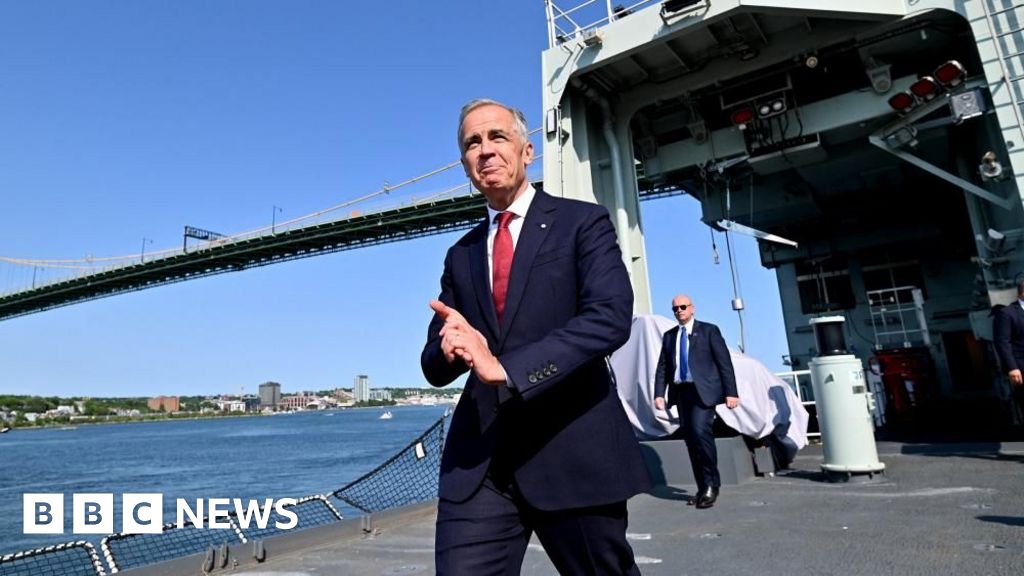
Canada has selected the German firm ThyssenKrupp Marine Systems (TKMS) as the preferred supplier for a new fleet of up to 12 submarines. Prime Minister Mark Carney announced the decision on Monday, 6 July 2026, at the HMC Dockyard in Halifax, describing the move as the largest defence procurement in Canadian history. The selection follows a competitive bidding process against South Korea’s Hanwha Ocean, with the goal of replacing the Royal Canadian Navy’s current aging fleet of Victoria-class submarines, which were purchased secondhand from the United Kingdom in 1998.
According to government reports, the existing submarine force is currently limited, with only one of four vessels typically seaworthy at any given time due to ongoing maintenance requirements. The new acquisition is intended to bolster maritime sovereignty, particularly within the Arctic, where warming waters have introduced new security challenges. Defence experts noted that the new fleet is expected to allow for three submarines to be consistently operational, representing a substantial increase in combat capability and surveillance reach across Canada's three bordering oceans.
Media additions

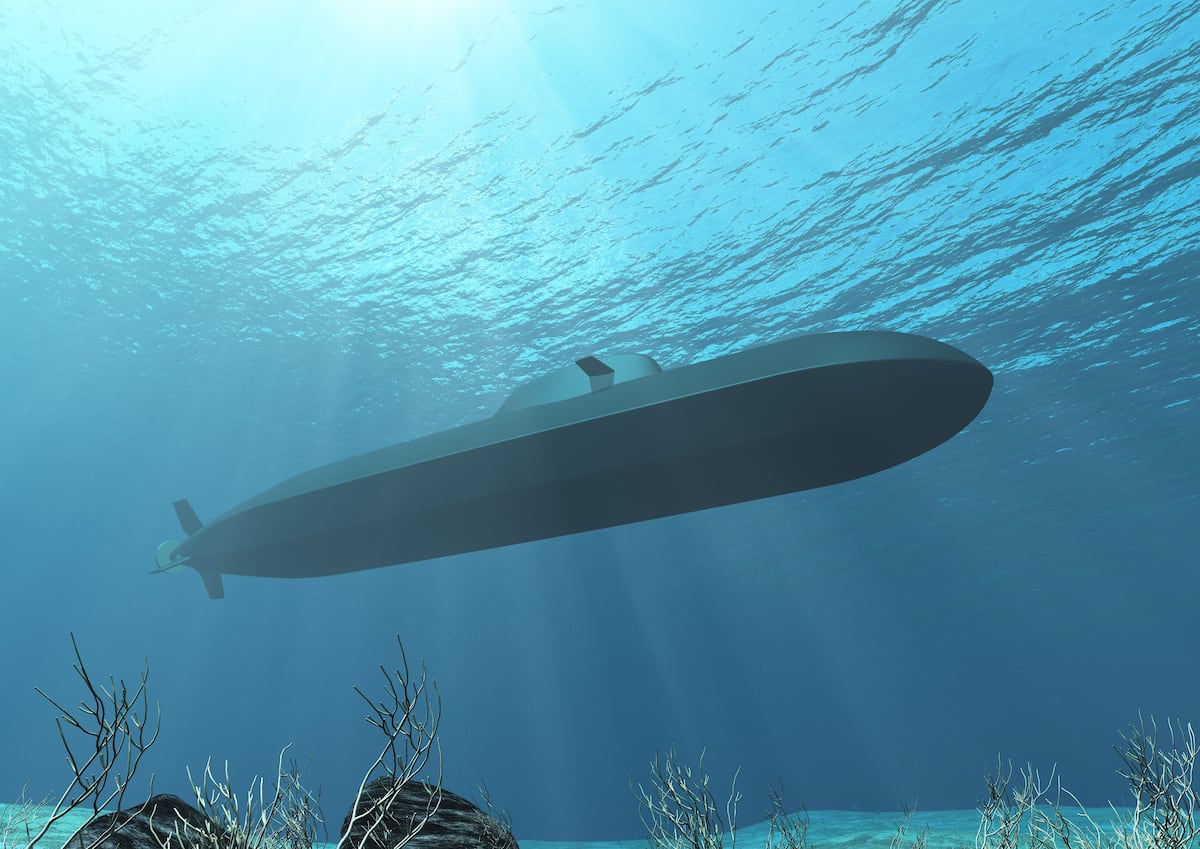
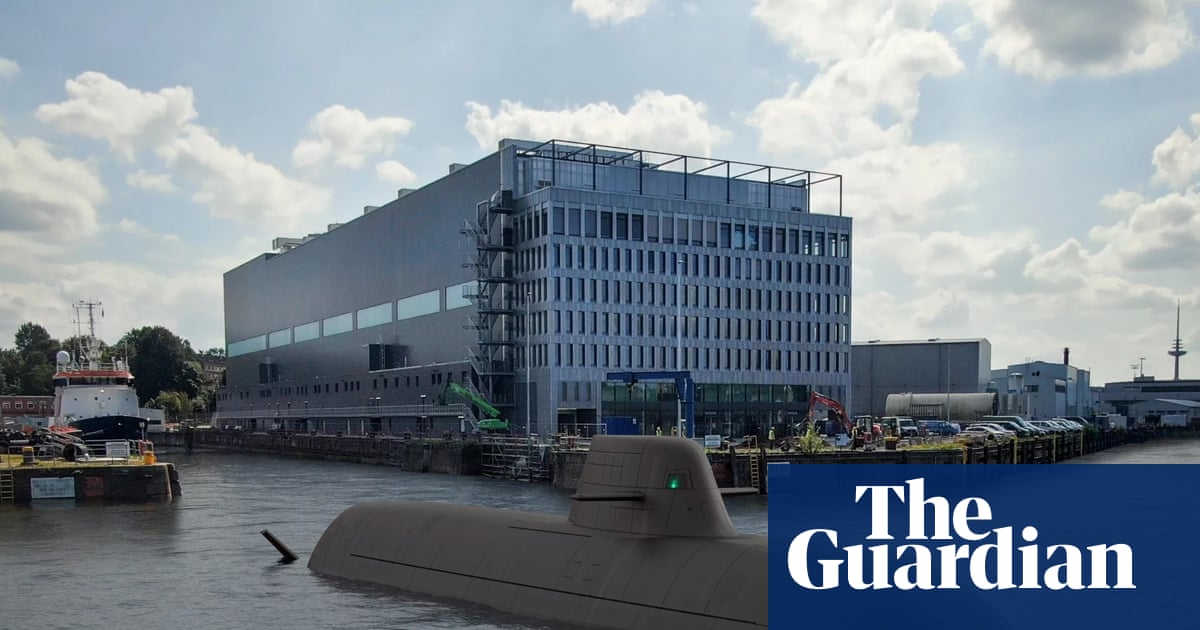
The chosen platform, the Type 212CD submarine, is a conventionally powered vessel developed through a joint partnership between Germany and Norway. Officials stated that the 212CD model is designed with ultra-low acoustic and magnetic signatures, under-ice navigation capabilities, and full NATO interoperability. By selecting this design, Canada aims to align its maritime operations more closely with European allies. Chancellor Friedrich Merz stated that the move signals a strong commitment to trans-Atlantic cooperation, while German Defence Minister Boris Pistorius suggested that the collaboration would help create what he termed the world’s largest and most modern conventional submarine fleet.
Negotiations and Delivery Timelines
The federal government has entered into formal negotiations with TKMS to finalize the contract. Officials stated that these talks are expected to conclude no later than the end of 2027. Prime Minister Carney indicated that Canada retains the right to designate Hanwha Ocean as the preferred supplier should the negotiations with the German firm prove unsuccessful. While a definitive price tag has not been publicly released, various estimates for the total program—including lifetime maintenance and sustainment—suggest costs could reach or exceed 100 billion Canadian dollars.
Regarding the project schedule, the government is aiming for accelerated delivery. TKMS has proposed reallocating production slots from existing German and Norwegian orders to enable the delivery of the first four submarines by 2034. The vessels are to be constructed at TKMS shipyards in Kiel and Wismar, Germany.
Economic Implications and Strategy
The procurement is tied to broader government goals regarding defence spending and industrial capacity. Prime Minister Carney confirmed that Canada has reached the NATO target of 2% of gross domestic product for defence spending and is committed to increasing this figure to 5% by 2035.
The deal includes extensive industrial benefits aimed at strengthening the Canadian supply chain. TKMS has pledged to create thousands of jobs, with projections suggesting the contract could generate massive economic output and hundreds of thousands of job-years over the duration of the agreement.
While the selection of a European partner was noted for its geostrategic implications, Prime Minister Carney emphasized that the decision does not signal a departure from Canada’s commitments in the Indo-Pacific. He stated that he had engaged with South Korean leadership to discuss ongoing initiatives designed to foster economic resilience and security in that region.
As the Canadian government prepares for the upcoming NATO summit in Ankara, Turkey, the submarine contract serves as a centerpiece of its efforts to demonstrate a commitment to military modernization. The project is managed by the Defence Investment Agency, which has adopted a strategy to leverage partnerships with trusted allies to secure essential naval capabilities. Negotiations continue as officials work to secure the final terms of the agreement.
How significant is this development?
Contribute your assessment to the aggregated reader sentiment ledger.
Frequently Asked Questions
Key questions answered in this reportWhat is the key development in: Canada selects German firm to build 12-vessel submarine fleet?
Canada is seeking to acquire up to 12 Type 212CD submarines in what is described as the largest defense procurement in the country's history. The project aims to replace the current Victoria-class fleet and enhance industrial capacity.
Why is this World development significant for the UK?
This report covers critical events in our World beat. Independent reporting monitors related UK statements, regulatory shifts, and public responses as further verified details emerge.
How was this reporting corroborated and verified?
Newsarchy UK compiles and cross-references reporting from primary reporting from canadiandefencereview.com and cross-checked wire reports. All coverage adheres to published editorial standards.
When was this report published?
This briefing was published on July 7, 2026 and is permanently cataloged in the Newsarchy UK World archives.