Germany to release 15 million barrels of emergency oil reserves
Germany is releasing up to 15 million barrels of emergency reserves, prioritizing diesel and heating oil first, following a G7 agreement.
- Core Development: Germany is releasing up to 15 million barrels of emergency reserves, prioritizing diesel and heating oil first, following a G7 agreement.
- Beat Context: Categorized under World with independent corroboration.
- Reporting Depth: 3 minute analytical read synthesized from verified newsroom sources.
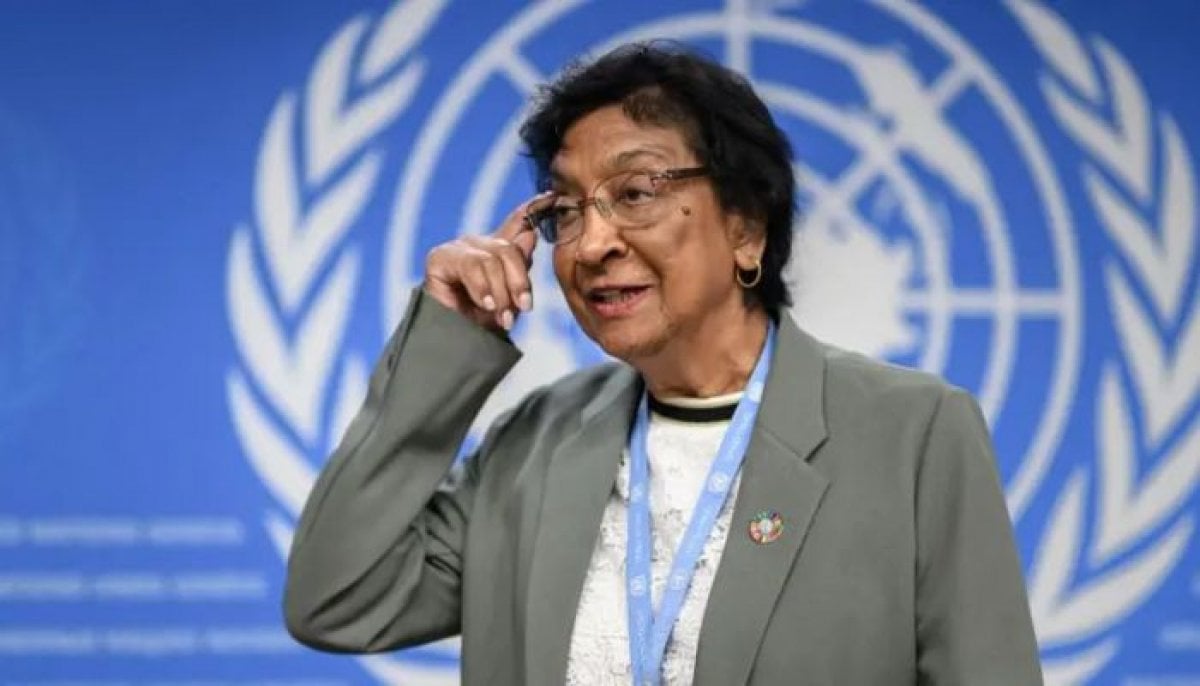
Germany is going to release up to 15 million barrels of diesel, crude and heating oil, the country's economy minister said Friday.
The decision by Berlin to tap emergency stockpiles follows persistent pressure from the Trump administration for European partners to support energy security networks. Reiche told Reuters that diesel and heating oil would enter the market first, followed by crude oil according to CBS News. Reiche emphasised that authorities must monitor the entire supply chain rather than relying solely on available crude oil inventories. Previously, the White House had weighed banning domestic diesel exports entirely, though Al Jazeera reported that such punitive trade restrictions were ultimately set aside after the collective G7 reserves commitment.
Media additions



Energy markets experienced immediate volatility following a social media statement issued late Thursday by the New York Post and CBS News, in which President Trump declared that the US military would refrain from launching strikes on Iran before the November 3 midterm elections. International benchmark Brent crude had previously climbed toward $105 a barrel amid reports that the Pentagon had drawn up plans for a three-day air campaign against Iranian missile sites and energy facilities. Following the president's pledge, prices receded back toward the $103 range.
| Market Indicator | Pre-Announcement Peak | Post-Announcement Level |
|---|---|---|
| Brent Crude Oil | $105.92 per barrel | $102.94 per barrel |
| US 10-Year Treasury Yield | 5.354% | 5.23% |
The geopolitical backdrop remains tense, underscored by developments across key strategic chokepoints and regional capitals. In Saudi Arabia, civil aviation authorities confirmed that Houthi missile and drone attacks targeting King Khalid International Airport in Riyadh resulted in three civilian fatalities, including Saudia Airlines captain Hamoud Ali Alkalthami. The strikes prompted widespread flight suspensions from international carriers including Lufthansa, Air India, and Emirates. CBS News reported that the European Union Aviation Safety Agency issued fresh airspace warnings, while French military officials discussed potential protective assets for the vital Yanbu oil terminal on the Red Sea.
Diplomatic channels remain active despite ongoing hostilities. Iranian President Masoud Pezeshkian stated that Tehran had revised its proposals for negotiations with Washington and was prepared to finalise them through intermediaries. Meanwhile, Iranian Foreign Minister Abbas Araghchi indicated that Tehran is reviewing a counterproposal concerning the Strait of Hormuz and expects to deliver a formal response within days. Concurrently, the US Treasury Department expanded financial penalties on Tehran's maritime network, sanctioning 17 additional vessels accused of facilitating shadow petroleum shipments.
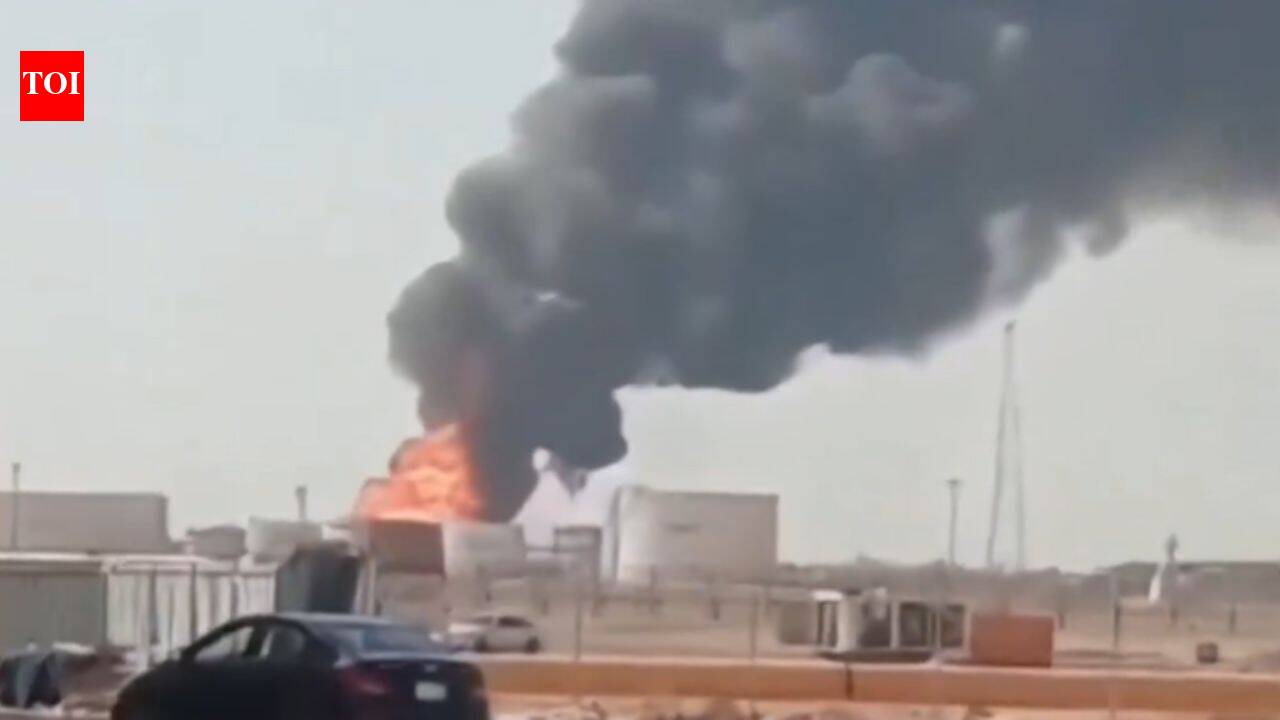
For additional background on market shifts and diplomatic developments, consult our World coverage, explore financial trends via global markets rebound as weak US jobs report and oil reserve release ease rate fears, examine infrastructure impacts through fire breaks out at Aramco oil facility in Riyadh, or review political trajectories via Trump says Iran war could end after U.S. Elections as Hormuz tensions persist.
What to Watch Next
- An official response from Tehran to Washington's diplomatic proposals regarding maritime traffic in the Strait of Hormuz, anticipated within days.
- Further operational updates from the German economy ministry regarding the phased rollout of diesel and crude oil reserves.
- Security developments along the Saudi-Yemen border and potential defensive deployments by regional partners following recent airport strikes.
How significant is this development?
Contribute your assessment to the aggregated reader sentiment ledger.
Frequently Asked Questions
Key questions answered in this reportWhat is the key development in: Germany to release 15 million barrels of emergency oil reserves?
Germany is releasing up to 15 million barrels of emergency reserves, prioritizing diesel and heating oil first, following a G7 agreement.
Why is this World development significant for the UK?
This report covers critical events in our World beat. Independent reporting monitors related UK statements, regulatory shifts, and public responses as further verified details emerge.
How was this reporting corroborated and verified?
Newsarchy UK compiles and cross-references reporting from primary reporting from cbsnews.com and cross-checked wire reports. All coverage adheres to published editorial standards.
When was this report published?
This briefing was published on October 9, 2026 and is permanently cataloged in the Newsarchy UK World archives.