US House passes Sunshine Protection Act to make daylight saving permanent
The US House voted to pass the Sunshine Protection Act, which aims to make daylight saving time permanent. The legislation now faces an uncertain path in the Senate.
- Core Development: The US House voted to pass the Sunshine Protection Act, which aims to make daylight saving time permanent. The legislation now faces an uncertain path in the Senate.
- Beat Context: Categorized under World with independent corroboration.
- Reporting Depth: 3 minute analytical read synthesized from verified newsroom sources.
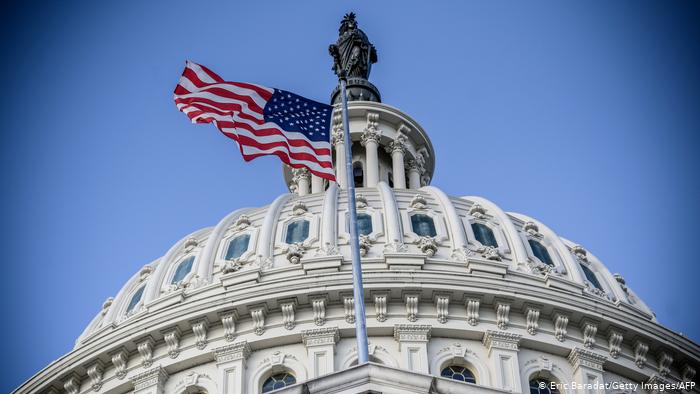
The US House of Representatives has voted to make daylight saving time permanent by passing the Sunshine Protection Act on Tuesday. The legislation passed with a 308-117 vote, signaling a bipartisan move toward making daylight saving time the permanent standard across the country. The bill now heads to the Senate, where its future remains uncertain amid ongoing debates over the health and economic implications of fixed timekeeping.
Proponents of the measure, led by Representative Vern Buchanan, argued that the shift would eliminate the annual disruption of "springing forward" and "falling back." Supporters, including the White House, maintain that extending daylight into the evening hours will benefit tourism, outdoor recreation, and local businesses. Representative Gus Bilirakis stated that for his home state of Florida, where tourism is a cornerstone of the economy, predictable daylight hours represent a practical improvement for workers and visitors. Chairman Brett Guthrie noted that the move is a direct response to constituent demand, framing it as a way to "lock the clock" and boost economic activity.
Media additions


President Donald Trump has publicly championed the initiative, repeatedly pledging to end the bi-annual Time change. In a statement on social media, he characterized the change as a "very nice WIN for the Republican Party" and a way to stop the "ridiculous, twice yearly production" that costs the nation time and money. While the bill has gained momentum in the House, it faces a more complex path in the upper chamber. Senator Tom Cotton has previously signaled his opposition to similar proposals, citing concerns about darker winter mornings in northern states, where the sun might not rise until 9 a.m. In some areas.
Public and Expert Perspectives
Public opinion on the issue appears divided. While a 2025 AP-NORC poll indicates that a majority of Americans dislike the current system of switching clocks, preferences regarding the alternative vary:
- Permanent Daylight Saving Time: Preferred by 56% of adults in a 2025 survey, focusing on more evening light.
- Permanent Standard Time: Preferred by 42% of adults, who cite the health benefits of morning light and alignment with natural circadian rhythms.
Critics of the Sunshine Protection Act, including Representative Mary Gay Scanlon, argue that permanent daylight saving Time creates hazardous conditions for children waiting for school buses and commuters driving in pre-dawn darkness. Historical context also weighs heavily on the current debate. In 1974, the US implemented year-round daylight saving time during an energy crisis but repealed the measure after less than a year due to widespread public backlash regarding children walking to school in the dark.
What Happens Next
For the Sunshine Protection Act to become law, the following steps must occur:
- Senate Approval: The bill requires a majority vote in the Senate. It is unclear if Senate Majority Leader John Thune will bring the legislation to a floor vote, as senior aides report continued opposition among several senators.
- Presidential Sign-off: If it passes the Senate, President Trump must sign the legislation. White House advisors have stated they would recommend he do so.
- State Implementation: Under the bill, states currently observing daylight saving time would transition to the new system, though they would retain the authority to opt out before the act takes effect. Hawaii and most of Arizona, which already bypass the biannual switch, would remain on permanent standard time.
As the Senate weighs the proposal, the legislative focus remains on whether the potential for brighter evenings outweighs the health and safety concerns associated with darker winter mornings. With 19 states already having passed state-level legislation that would trigger permanent daylight saving time if authorized by Congress, the national appetite for change remains strong, even as the specific details of that change continue to spark disagreement.
How significant is this development?
Contribute your assessment to the aggregated reader sentiment ledger.
Frequently Asked Questions
Key questions answered in this reportWhat is the key development in: US House passes Sunshine Protection Act to make daylight saving permanent?
The US House voted to pass the Sunshine Protection Act, which aims to make daylight saving time permanent. The legislation now faces an uncertain path in the Senate.
Why is this World development significant for the UK?
This report covers critical events in our World beat. Independent reporting monitors related UK statements, regulatory shifts, and public responses as further verified details emerge.
How was this reporting corroborated and verified?
Newsarchy UK compiles and cross-references reporting from primary reporting from nbcnews.com and cross-checked wire reports. All coverage adheres to published editorial standards.
When was this report published?
This briefing was published on July 15, 2026 and is permanently cataloged in the Newsarchy UK World archives.