Houthi attacks reportedly kill at least 30 Yemeni government forces
A wave of missile and drone strikes targeting military camps in central Yemen has left dozens of government troops dead in a sharp escalation of the conflict.
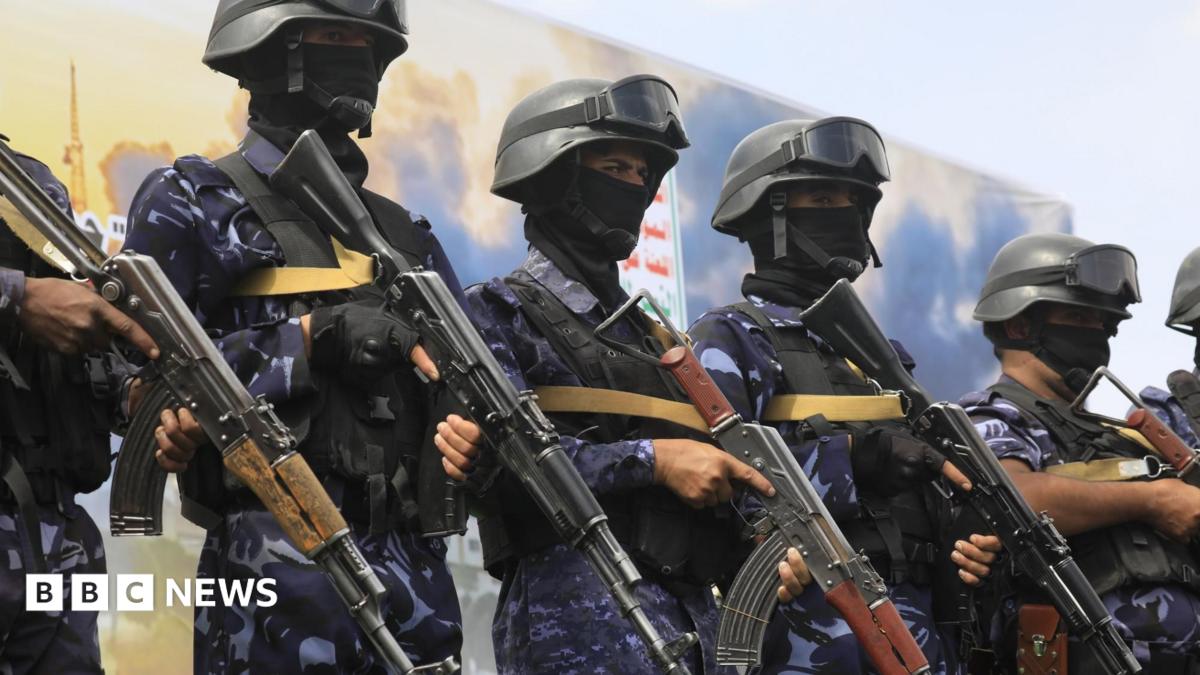
- Core Development: A wave of missile and drone strikes targeting military camps in central Yemen has left dozens of government troops dead in a sharp escalation of the conflict.
- Beat Context: Categorized under World with independent corroboration.
- Reporting Depth: 3 minute analytical read synthesized from verified newsroom sources.
A wave of missile and drone strikes has hit military camps in central Yemen, according to reporting from the Bbc, Yahoo News, and CBS News, marking a sharp escalation in a conflict that has drawn the region deeper into wider hostilities. Government sources cited by the BBC reported that the attacks struck several camps run by Emergency Forces. Medical sources speaking to AFP provided a differing casualty figure, stating that the assault killed at least thirty-eight government troops and injured twenty-nine others. This represented one of the deadliest days between the opposing sides in years. Separate government reports indicated that at least thirty Yemeni troops were killed across the affected positions.
According to military officials cited in the reporting, the strikes targeted facilities in the al-Ruwaik area of Marib province, as well as the Al-Abr and Al-Wadiah areas of Hadramawt near the border with Saudi Arabia. One particular missile strike hit troops during their morning formation at the camp in Marib province. A military source stated that this specific impact resulted in personnel being killed and wounded. Health Minister Qasim Bahibah condemned the action, describing it as a treacherous attempt to destabilise security and stability, though he did not provide a specific death toll.
Media additions
The Houthi movement claimed responsibility for the operations. A military spokesman for the group stated that they had targeted large Saudi military build-ups at the camps. The Houthis, who control much of north-west Yemen and receive backing from Iran, have upended a previous truce brokered with the Saudi-backed government. This escalation in Yemen coincides with broader regional maritime friction. The Iran-backed group has recently targeted energy infrastructure inside Saudi Arabia and fired upon Saudi-flagged vessels navigating the Bab el-Mandeb Strait as part of a declared naval blockade in solidarity with Iran.
Simultaneously, maritime tensions have extended to the Strait of Hormuz, where Iran and Oman have been holding diplomatic talks regarding vessel movement and navigation routes. Iran's state news agency reported that the two nations are close to agreeing on new arrangements to manage commercial traffic through the waterway, utilizing a framework where ships enter through Iranian waters and exit through Omani waters. However, senior Iranian officials insisted that these discussions do not represent a full reopening of the strategic waterway. Instead, Tehran maintains that the strait will remain restricted until the United States halts its threats, lifts its naval blockade on Iranian ports, and withdraws from the region. The United States Central Command noted that the ongoing blockade on Iranian ports has redirected dozens of vessels.
The wider Middle East conflict continues to see synchronized escalations across multiple fronts. In southern Lebanon, renewed hostilities flared following an attack that killed Israeli soldiers. The Israeli military responded with extensive airstrikes and artillery shelling across the Tyre district, including the town of Burj al-Shamali and the village of Mansouri, prompting evacuation warnings for local residents. These military actions occurred concurrently with U.S.-mediated diplomatic talks taking place in Rome between Israeli and Lebanese negotiators, where Beirut sought a phased Israeli withdrawal from southern areas.
Diplomatic channels and security developments also intersected elsewhere in the region. Iran's Intelligence Ministry reported the arrest of individuals in Kerman province with alleged links to foreign intelligence services. Meanwhile, the United States Treasury lifted sanctions targeting Iraq's Fly Baghdad airline and specific aircraft, following an administrative reconsideration process that determined the company had demonstrated significant operational changes.
Regional observers and international participants are monitoring whether ongoing diplomatic engagements in Rome and Muscat can achieve durable frameworks, or if continuing military confrontations in Yemen, Lebanon, and surrounding waters will derail fragile discussions. Negotiators are expected to maintain their diplomatic contacts as regional actors assess the evolving security situation.
How significant is this development?
Contribute your assessment to the aggregated reader sentiment ledger.
Frequently Asked Questions
Key questions answered in this reportWhat is the key development in: Houthi attacks reportedly kill at least 30 Yemeni government forces?
A wave of missile and drone strikes targeting military camps in central Yemen has left dozens of government troops dead in a sharp escalation of the conflict.
Why is this World development significant for the UK?
This report covers critical events in our World beat. Independent reporting monitors related UK statements, regulatory shifts, and public responses as further verified details emerge.
How was this reporting corroborated and verified?
Newsarchy UK compiles and cross-references reporting from primary reporting from cbsnews.com and cross-checked wire reports. All coverage adheres to published editorial standards.
When was this report published?
This briefing was published on August 6, 2026 and is permanently cataloged in the Newsarchy UK World archives.