Iran mobilises 313,000 volunteer fighters in Tehran amid US conflict
Iran has mobilized 313,000 volunteer fighters in Tehran amid escalating conflict with the United States, severe economic strain, and internal dissent.

- Core Development: Iran has mobilized 313,000 volunteer fighters in Tehran amid escalating conflict with the United States, severe economic strain, and internal dissent.
- Beat Context: Categorized under World with independent corroboration.
- Reporting Depth: 4 minute analytical read synthesized from verified newsroom sources.
Iran has mobilised 313,000 volunteer fighters in Tehran amid a widening conflict with the United States, according to reporting by Al Jazeera and The Independent. The mobilization unfolds as the government seeks to project national unity while enduring severe economic strain under a US naval blockade and fresh sanctions. The widening conflict follows a series of escalations that have fundamentally altered domestic and regional stability.
The newly formed volunteer units, associated with the Janfada-ye-Iran campaign, marched through central Tehran in combat uniforms. State broadcasters and officials reported massive registration numbers for the voluntary initiative, though independent verification of these figures remains unavailable. President Masoud Pezeshkian and senior security leaders addressed the crowds, framing the mobilization as a necessary defense of the homeland against foreign aggression. Observers note that hard-line elements within the leadership are utilizing the current wartime environment to consolidate internal control and suppress potential domestic dissent, building upon months of severe civil unrest.
Media additions
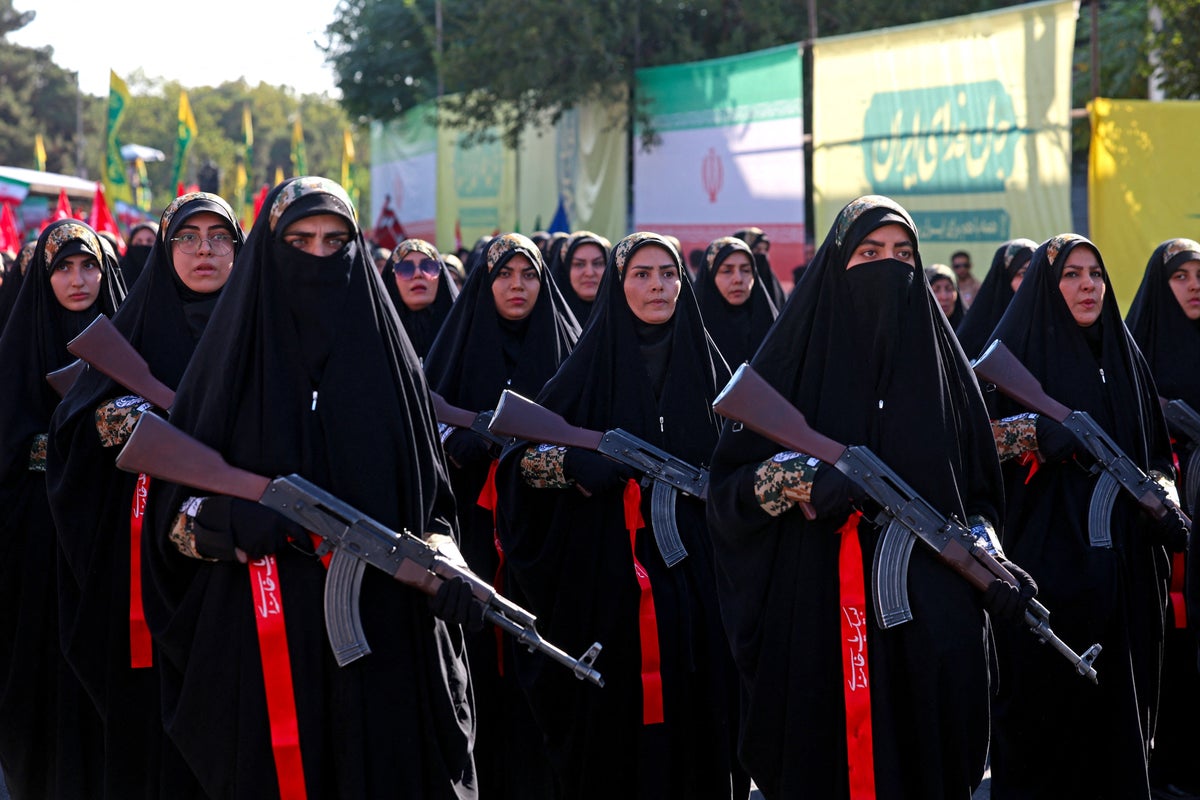
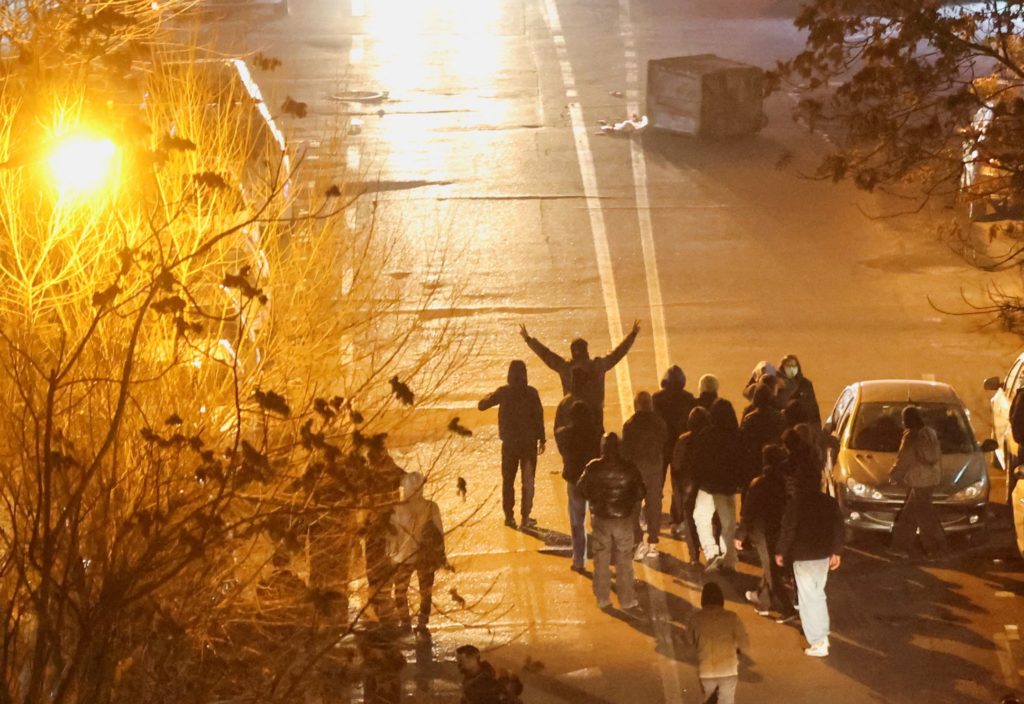
These developments occur against a backdrop of deep societal fracture. While pro-government rallies showcase citizens in full chadors voicing anti-Western slogans, increasing numbers of Iranian women are choosing to defy compulsory headscarf laws in public spaces, as reported by CBC. Analysts emphasize that the deadly crackdown on earlier anti-regime demonstrations left deep psychological scars, yet many citizens continue to push for economic relief and personal freedoms despite the constant threat of surveillance and arrest.
International and regional dynamics remain highly volatile. Military experts note that the ongoing conflict has significantly impacted global energy shipping and regional security, as analyzed by the Atlantic Council. As diplomatic initiatives and shifting ultimatums continue to unfold, questions persist regarding the ultimate objectives of the military campaign and the endurance of the Iranian state apparatus.
| Reporting Source | Reported Mobilization / Participation Metrics | Key Context Reported |
|---|---|---|
| Al Jazeera | 313,000 attendees in Tehran; over 600,000 registered | Government-organised show of defiance; economic pressure from naval blockade |
| The Independent | Over 300,000 estimated on streets; over 600,000 signed up | Deployment of Janfaday-e Iran initiative; Strait of Hormuz maritime disruptions |
| Atlantic Council | Estimates of tens of thousands detained or killed in prior crackdowns | Strategic evaluation of regime stability and regional escalation risks |
As the situation develops, attention turns toward upcoming diplomatic windows and security postures in the region. Observers will monitor whether the newly mobilized volunteer forces are deployed more broadly, how international shipping lanes are managed, and whether economic pressures force further shifts in state policy.
The volunteer units marching in central Tehran are part of a broader defense strategy that brings together various layers of state security. State broadcasters and officials highlighted the participation of women and teenagers in the voluntary initiative. According to Al Jazeera, an initiative volunteer named Bahera stated: I want to show the world that Iran is strong and united. We don't want war, but we're ready to defend our country to the very end.
Another participant in combat uniform stated: This is our homeland and we won't let others decide its future.
President Masoud Pezeshkian emphasized during his address that the rally signaled readiness for any crisis.
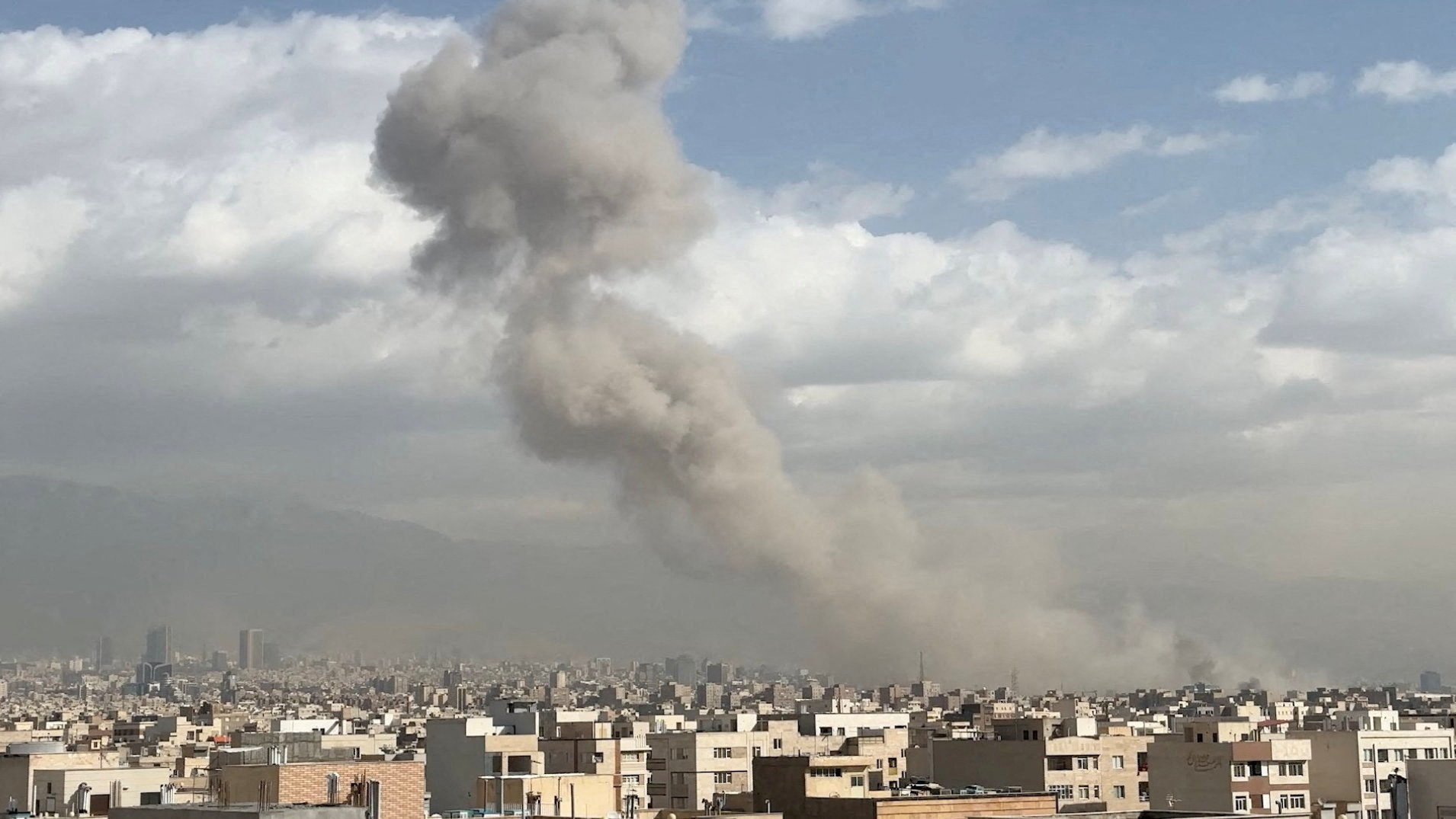
At the same time, regional maritime routes have faced severe disruption. The Independent reported that the Iranian government launched a new attack on a commercial vessel in the strategic Strait of Hormuz. Iranian state television announced an attack on an oil tanker flying the flag of Togo, citing an illegal attempt to navigate the waterway, while the U.K. Maritime Trade Operations center confirmed a vessel was struck by a projectile that ignited an onboard fire. The conflict has severely impacted global energy shipping and crude oil exports.
Domestic friction persists away from the rallies. As CBC reported, women continue to defy the strict headscarf rules in public spaces despite the risk of fines, arrest, and imprisonment. Protests that began in late December over currency collapse and economic hardship evolved into broader demands to end decades of repression. While authorities acknowledged thousands of deaths during the unrest, human rights groups and activists report significantly higher figures. Younger Iranians, including 16-year-old Mahyar Yeganeh, expressed a feeling of having nothing left to lose following the deaths of classmates in security crackdowns.
As the situation develops, attention turns toward upcoming diplomatic windows, security postures, and potential naval deployments in the region. Observers will monitor whether the newly mobilized volunteer forces are deployed more broadly, how international shipping lanes in the Strait of Hormuz are managed, and whether economic pressures force further shifts in state policy.
How significant is this development?
Contribute your assessment to the aggregated reader sentiment ledger.
Frequently Asked Questions
Key questions answered in this reportWhat is the key development in: Iran mobilises 313,000 volunteer fighters in Tehran amid US conflict?
Iran has mobilized 313,000 volunteer fighters in Tehran amid escalating conflict with the United States, severe economic strain, and internal dissent.
Why is this World development significant for the UK?
This report covers critical events in our World beat. Independent reporting monitors related UK statements, regulatory shifts, and public responses as further verified details emerge.
How was this reporting corroborated and verified?
Newsarchy UK compiles and cross-references reporting from primary reporting from Newswav and cross-checked wire reports. All coverage adheres to published editorial standards.
When was this report published?
This briefing was published on September 18, 2026 and is permanently cataloged in the Newsarchy UK World archives.