Iran nears Strait of Hormuz draft deal with Oman as Trump signals announcement
Negotiators have finalized an Iran-Oman draft agreement for the Strait of Hormuz, awaiting leadership approval as U.S. President Donald Trump signals an imminent announcement.
- Core Development: Negotiators have finalized an Iran-Oman draft agreement for the Strait of Hormuz, awaiting leadership approval as U.S. President Donald Trump signals an imminent announcement.
- Beat Context: Categorized under World with independent corroboration.
- Reporting Depth: 3 minute analytical read synthesized from verified newsroom sources.
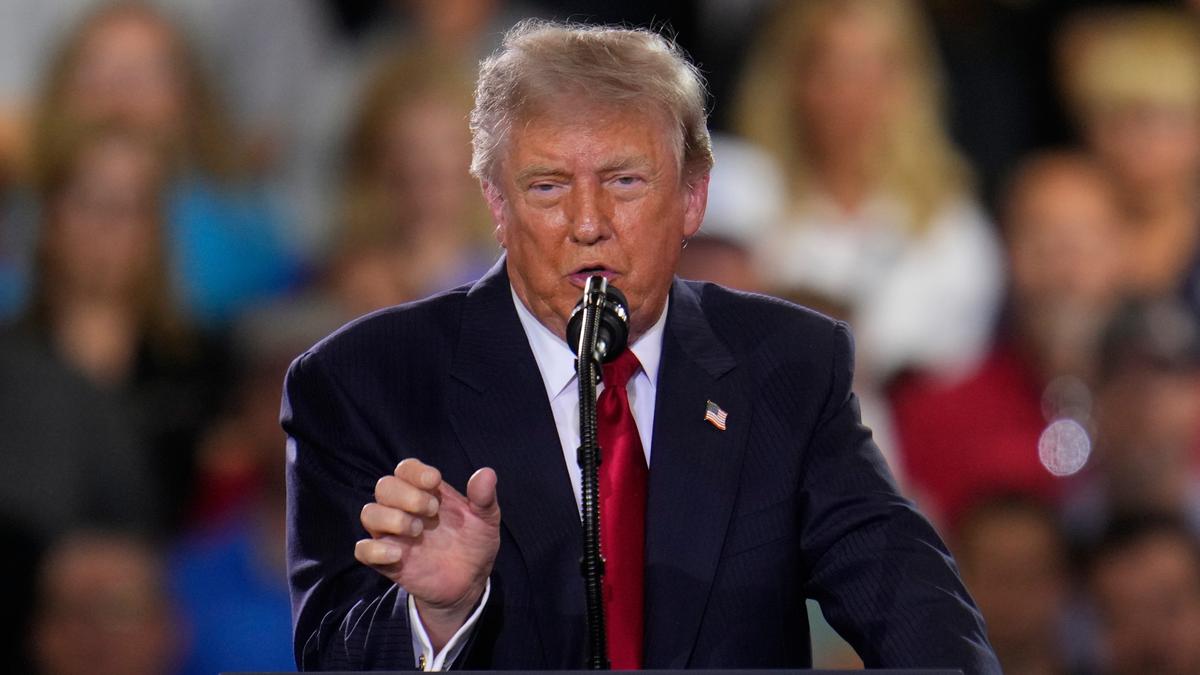
Diplomatic efforts surrounding the crucial Strait of Hormuz have entered a critical phase. Iranian Foreign Ministry spokesperson Esmail Baghaei stated that the draft agreement with Oman is nearing completion. According to regional officials familiar with the talks, negotiators have finalised the draft proposal and are now awaiting final approval from Iran's leadership. U.S. President Donald Trump indicated that a breakthrough might be announced imminently, remarking that a deal could materialise within days following substantial progress.
The strategic waterway carries immense global significance. Approximately one-fifth of the world's traded oil and natural gas previously traversed the Strait of Hormuz before shipping was severely disrupted by the conflict. Brent crude traded near $80 a barrel, remaining below the peaks witnessed earlier in the hostilities.
Media additions
Despite the momentum, significant obstacles remain. Tehran is seeking continued influence over the waterway, whereas Washington firmly opposes any arrangement that grants Iran control or permits the collection of transit and environmental service fees. Previous discussions had contemplated a split route involving Iranian- and Omani-controlled channels, but U.S. Objections blocked those terms. The proposed arrangement serves as a temporary measure that could pave the way for renewed U.S.-Iran nuclear negotiations.
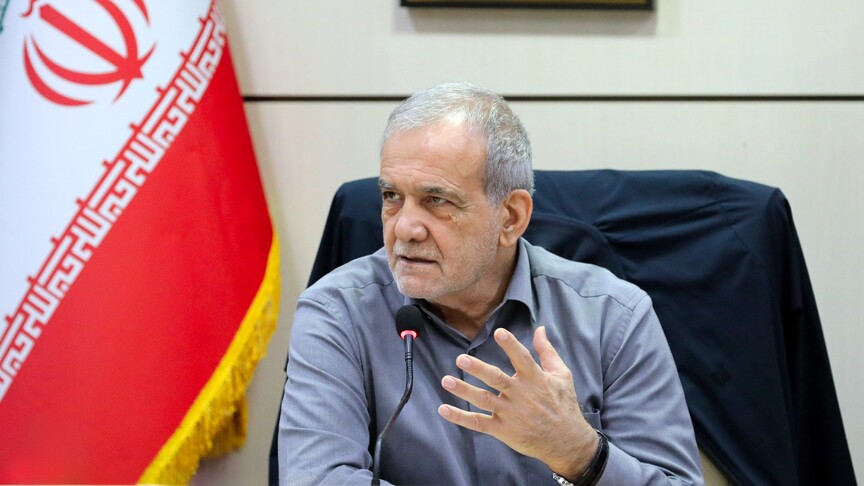
Adding to the diplomatic complexity, Iranian President Masoud Pezeshkian revealed that communication with Supreme Leader Mojtaba Khamenei is currently very difficult. Speaking in an interview broadcast by Iranian state television to mark his second inauguration anniversary, Pezeshkian described the supreme leader's presence as a major source of strength while addressing internal divisions. Pezeshkian also pointed to intense pressure from adversaries seeking to exploit sanctions and military confrontation to fuel public protests, characterising this period as the most challenging since the revolution.
The current leadership structure follows significant regional conflict. Supreme Leader Mojtaba Khamenei assumed his role following the assassination of his father, Ali Khamenei, in a joint U.S.–Israeli airstrike in Tehran. That event preceded direct military confrontation, including Iranian retaliatory strikes targeting Gulf countries hosting U.S. Military bases. Although the two nations subsequently signed a memorandum of understanding aimed at ending military conflict, that deal collapsed, leading to further exchanges of attacks before Trump abruptly halted the bombardment.
U.S. Leadership acknowledged the arduous nature of the diplomatic track. Vice President JD Vance described the ongoing efforts to resolve the conflict as messy, noting that negotiations occasionally require moving backward before advancing, and characterised Iranian negotiators as extraordinarily difficult.
Key Developments in the Strait of Hormuz Talks
- Iranian and Omani negotiators have finalized a draft agreement, pending supreme leader approval.
- U.S. President Donald Trump signaled that an announcement regarding a breakthrough could come soon.
- Washington strongly opposes any deal that grants Tehran transit fee collection rights or control over the waterway.
- Shipping through the strait remains severely impacted, though Brent crude held near $80 a barrel.
Wider regional flashpoints continue to test the fragile diplomatic environment. Yemen's Iran-backed Houthi rebels claimed responsibility for firing ballistic missiles toward Saudi-linked oil tankers, and a commercial vessel in the Gulf of Aden reported a nearby explosion according to maritime trade operations. Meanwhile, the fragile ceasefire between Israel and Hezbollah faced renewed strain following Israeli strikes in southern Lebanon, though U.S. State Department officials indicated that related diplomatic discussions in Rome could resume shortly.
How significant is this development?
Contribute your assessment to the aggregated reader sentiment ledger.
Frequently Asked Questions
Key questions answered in this reportWhat is the key development in: Iran nears Strait of Hormuz draft deal with Oman as Trump signals announcement?
Negotiators have finalized an Iran-Oman draft agreement for the Strait of Hormuz, awaiting leadership approval as U.S. President Donald Trump signals an imminent announcement.
Why is this World development significant for the UK?
This report covers critical events in our World beat. Independent reporting monitors related UK statements, regulatory shifts, and public responses as further verified details emerge.
How was this reporting corroborated and verified?
Newsarchy UK compiles and cross-references reporting from primary reporting from aa.com.tr and cross-checked wire reports. All coverage adheres to published editorial standards.
When was this report published?
This briefing was published on August 6, 2026 and is permanently cataloged in the Newsarchy UK World archives.