Iran says MoU suspended as US strikes kill 50 and disrupt infrastructure
Iran has formally abandoned its interim peace agreement with the United States following an escalation in infrastructure strikes across the Middle East. The collapse of the diplomatic framework has led to intensified military action and mounting humanitarian concerns in the region.

- Core Development: Iran has formally abandoned its interim peace agreement with the United States following an escalation in infrastructure strikes across the Middle East. The collapse of the diplomatic framework has led to intensified military action and mounting humanitarian concerns in the region.
- Beat Context: Categorized under World with independent corroboration.
- Reporting Depth: 3 minute analytical read synthesized from verified newsroom sources.
The interim peace agreement between the United States and Iran has collapsed, with Tehran formally announcing the suspension of all commitments under the memorandum of understanding signed last month. As of Saturday, 18 July 2026, the diplomatic framework—intended to halt military operations and resolve tensions surrounding the Strait of Hormuz—has been superseded by a widening campaign of infrastructure strikes and mounting casualties.
Iran’s Deputy Foreign Minister, Kazem Gharibabadi, stated that his country is no longer bound by the agreement, accusing Washington of violating its terms through a renewed naval blockade and aggressive aerial campaigns. "The US has violated and suspended all its commitments within the framework of the Islamabad MoU," Gharibabadi said, as reported by the Fars news agency. He added that Tehran is now "busy defending the country." This position was echoed by Iran’s ambassador to Pakistan, Reza Amiri Moghadam, who claimed the United States interpreted the agreement in a manner that allowed it to seize control of parts of the Strait of Hormuz, effectively destroying infrastructure while ignoring international principles.
Media additions
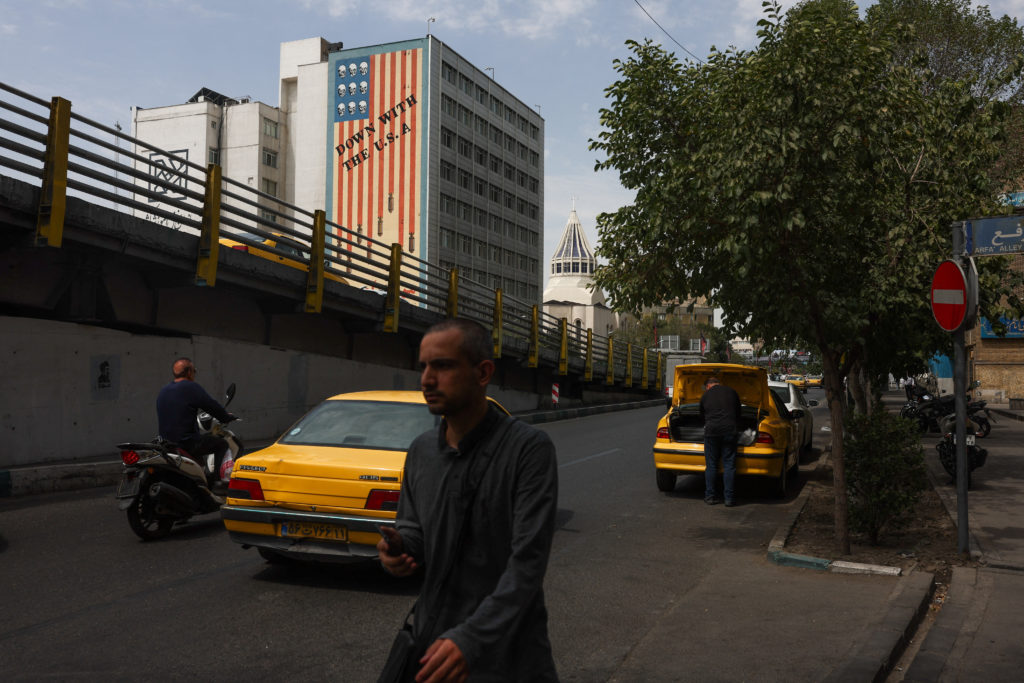
Escalation in Infrastructure Strikes
The military confrontation has shifted to target critical civilian and industrial infrastructure across the region. Iran’s Health Ministry reported on 18 July 2026 that United States strikes since 6 July 2026 have resulted in at least 50 deaths and more than 500 injuries. Recent U.S. Operations, which include a seventh consecutive night of raids, have targeted surveillance sites, military logistics infrastructure, underground weapons storage, and maritime capabilities. Among these actions, U.S. Forces destroyed a maritime surveillance tower at the Chah Bahar Shahid Kalantari Port. U.S. Central Command maintains that these sites were used by the Islamic Revolutionary Guard Corps to track and target commercial shipping.
Conversely, Iranian strikes have increasingly targeted infrastructure in neighboring nations. In Kuwait, a desalination plant and an oil facility were struck by ballistic missiles and drones, triggering fires and forcing power generation units offline. The Kuwait Fire Force reported that several firefighters were wounded while responding to these incidents. Air defenses were also activated in Bahrain, Jordan, and Saudi Arabia, while Iraq reported downing attack drones over Irbil. U.S. Central Command confirmed that two U.S. Service members were killed and one is missing following an attack on a base in Jordan.
Disruption of Water and Power
The conflict is causing significant humanitarian concerns, particularly regarding access to water. Iranian officials stated that U.S. Strikes on the Bunji desalination plant in Jask completely destroyed power transformers and seawater pumping stations, leaving 10,000 people across 20 villages without access to potable water. This mirrors the impact in Kuwait, where strikes on desalination facilities have put power generation units offline in a country that relies on such plants for 90 percent of its drinking water.
The strategic Strait of Hormuz remains the primary flashpoint. The U.S. Continues to enforce a naval blockade to prevent Iranian crude oil exports, having revoked sanctions waivers previously granted under the now-defunct memorandum. Iran continues to assert that it retains the sovereign right to dictate transit routes and manage maritime services within the strait.
What to Watch Next
The future of the conflict remains uncertain, with rhetoric hardening on both sides:
- Military Posture: Former Islamic Revolutionary Guard Corps commander Mohsen Rezaei warned that if U.S. Actions continue, Iran will transition from a retaliatory stance to an "offensive phase," specifically mentioning the potential for a "full-scale assault and annihilation."
- Diplomatic Fallout: The Gulf Cooperation Council has condemned the strikes on civilian infrastructure as potential war crimes, while Mojtaba Khamenei warned of "unforgettable lessons" if the U.S. Persists in its military campaign.
- Political Pressure: With U.S. Midterm elections approaching in November, the pressure on the current administration to stabilize energy prices and conclude the conflict remains high.
As of 18 July 2026, more than 50,000 U.S. Service members are operating across the Middle East.
How significant is this development?
Contribute your assessment to the aggregated reader sentiment ledger.
Frequently Asked Questions
Key questions answered in this reportWhat is the key development in: Iran says MoU suspended as US strikes kill 50 and disrupt infrastructure?
Iran has formally abandoned its interim peace agreement with the United States following an escalation in infrastructure strikes across the Middle East. The collapse of the diplomatic framework has led to intensified military action and mounting humanitarian concerns in the region.
Why is this World development significant for the UK?
This report covers critical events in our World beat. Independent reporting monitors related UK statements, regulatory shifts, and public responses as further verified details emerge.
How was this reporting corroborated and verified?
Newsarchy UK compiles and cross-references reporting from primary reporting from apnews.com and cross-checked wire reports. All coverage adheres to published editorial standards.
When was this report published?
This briefing was published on July 18, 2026 and is permanently cataloged in the Newsarchy UK World archives.


