Iran supreme leader warns of unforgettable lessons if US attacks continue
Iran’s leadership has formally abandoned its peace agreement with the US following an escalation in hostilities that resulted in American troop deaths. The conflict has increasingly targeted civilian infrastructure and regional sites, further destabilizing the Strait of Hormuz.
- Core Development: Iran’s leadership has formally abandoned its peace agreement with the US following an escalation in hostilities that resulted in American troop deaths. The conflict has increasingly targeted civilian infrastructure and regional sites, further destabilizing the Strait of Hormuz.
- Beat Context: Categorized under World with independent corroboration.
- Reporting Depth: 3 minute analytical read synthesized from verified newsroom sources.
Tensions in the Middle East reached a critical threshold on Saturday, 18 July 2026, as Iran’s leadership formally abandoned a month-old peace agreement and threatened the United States with unforgettable lessons
. The declaration, attributed to Supreme Leader Mojtaba Khamenei, followed a dramatic intensification of hostilities that resulted in the first American troop deaths from direct Iranian fire since the conflict began in February.
In a statement broadcast on state television, the Supreme Leader dismissed the memorandum of understanding (MoU) previously mediated by Qatar and Pakistan as effectively dead. Attributing the collapse to Washington’s ongoing military operations, the statement declared that the signature of President Donald Trump was utterly worthless and invalid
. Tehran’s deputy foreign minister, Kazem Gharibabadi, confirmed that Iran was no longer implementing its commitments under the accord, citing repeated breaches by the United States. According to the broadcasted statement:
Media additions

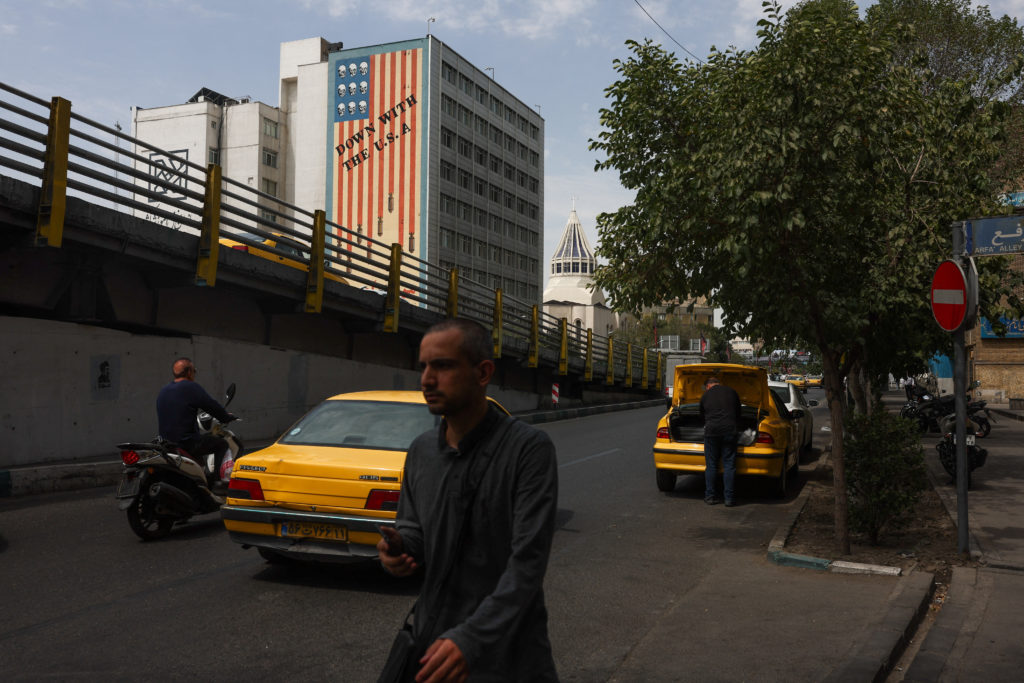
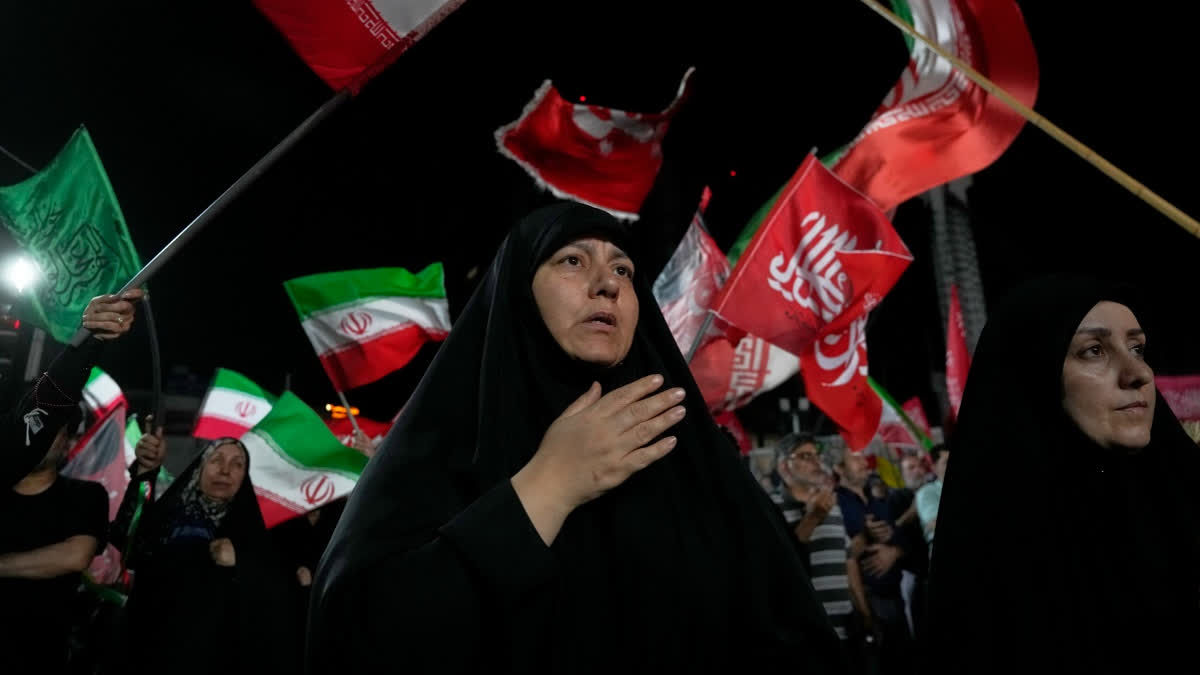
"The repeated breach of agreements by the Great Satan vis-a-vis the accord has once again proven to all that the signature of the President of America is now utterly worthless and invalid, and that bullying, hegemonism and savagery are inseparable components of the American creed and doctrine."
The escalation has seen both nations move beyond military targets to hit civilian infrastructure. US Central Command reported its seventh consecutive night of airstrikes, which targeted surveillance sites, logistics hubs, and underground weapons storage. These operations also struck electricity and desalination infrastructure in Iran’s Hormozgan province. According to state reports, the destruction of the Bonji desalination plant has deprived 10,000 residents of water, while damage to tunnels and bridges has disrupted transit to the port of Bandar Abbas. Tehran has also acknowledged pressure on its power grid, with the Energy Ministry issuing calls for residents to reduce usage in southern provinces during extreme heat.
Tehran responded with strikes of its own, extending the reach of the conflict into Kuwait. Kuwaiti authorities reported that Iranian missiles struck an oil facility and a water desalination plant, forcing power generation units offline and injuring several personnel. This marked the second such attack on Kuwaiti water infrastructure in two days. The secretary general of the Gulf Cooperation Council, Jasem Mohamed al-Budaiwi, described the targeting of these civilian facilities as war crimes.
Casualties and regional instability
The human cost of the conflict is mounting. On Saturday, the US military announced that two service members were killed and another was missing following an attack on a base in Jordan. The incident occurred Friday during defensive operations against Iranian ballistic missile and drone strikes. With these additions, the total number of US service members killed in the conflict has reached 16, with over 430 wounded. Iranian authorities claim that US strikes have resulted in at least 50 deaths and over 500 injuries within their own borders over the past three weeks, including 8 deaths in a strike on a bridge on Friday.
The conflict has increasingly focused on the Strait of Hormuz, a critical maritime artery that previously accounted for a fifth of global crude oil shipments. The strait has been effectively closed to shipping traffic since the beginning of the war on 28 February 2026. While the US has reimposed a naval blockade on Iranian ports, there are reports that the Houthis in Yemen may attempt to close the Bab al-Mandeb gateway to the Red Sea as well.
Ongoing regional developments
The situation remains fluid, with regional governments reporting frequent alerts as the fighting spills over national borders:
- Jordan: Reported that national air defence systems successfully intercepted incoming Iranian missiles.
- Iraq: Authorities in Irbil confirmed the downing of attack drones targeting the city.
- Bahrain and Saudi Arabia: Governments reported repeated air raid sirens throughout the day.
The Islamic Revolutionary Guard Corps has issued a stern warning to nations hosting US forces, stating that they should be prepared to face a corresponding response
as Tehran signals it will rely on its Axis of Resistance
proxy groups to sustain the pressure. For President Trump, the collapsing interim deal presents a significant political challenge, as the administration faces domestic pressure to avoid a protracted conflict, despite the ongoing strategic competition for control of the Strait of Hormuz.
How significant is this development?
Contribute your assessment to the aggregated reader sentiment ledger.
Frequently Asked Questions
Key questions answered in this reportWhat is the key development in: Iran supreme leader warns of unforgettable lessons if US attacks continue?
Iran’s leadership has formally abandoned its peace agreement with the US following an escalation in hostilities that resulted in American troop deaths. The conflict has increasingly targeted civilian infrastructure and regional sites, further destabilizing the Strait of Hormuz.
Why is this World development significant for the UK?
This report covers critical events in our World beat. Independent reporting monitors related UK statements, regulatory shifts, and public responses as further verified details emerge.
How was this reporting corroborated and verified?
Newsarchy UK compiles and cross-references reporting from primary reporting from pbs.org and cross-checked wire reports. All coverage adheres to published editorial standards.
When was this report published?
This briefing was published on July 18, 2026 and is permanently cataloged in the Newsarchy UK World archives.