Iran Supreme Leader warns of unforgettable lessons if US attacks continue
The conflict has entered a volatile phase as Iran formally withdrew from a diplomatic agreement following the deaths of two American service members in Jordan. Military officials from both sides are now signaling a move toward more aggressive, full-scale offensive operations.

- Core Development: The conflict has entered a volatile phase as Iran formally withdrew from a diplomatic agreement following the deaths of two American service members in Jordan. Military officials from both sides are now signaling a move toward more aggressive, full-scale offensive operations.
- Beat Context: Categorized under World with independent corroboration.
- Reporting Depth: 4 minute analytical read synthesized from verified newsroom sources.
The conflict in the Gulf has entered a volatile new phase as the fragile diplomatic efforts intended to halt hostilities collapsed on Saturday, 18 July 2026. Iran’s supreme leader, Mojtaba Khamenei, issued a stark warning that the United States would face unforgettable lessons
for its ongoing military campaign, marking a formal end to the interim memorandum of understanding signed between the two nations just one month ago.
The escalation reached a grim milestone on the same day when the United States military confirmed the deaths of two service members in a base in Jordan, marking the first time American troops have been killed by direct Iranian fire since the initial days of the war. Another service member remains missing following the incident, which occurred as forces attempted to intercept a barrage of ballistic missiles and drones. This latest casualty report brings the total number of American service members killed during the conflict to 16, with over 430 wounded.
Media additions
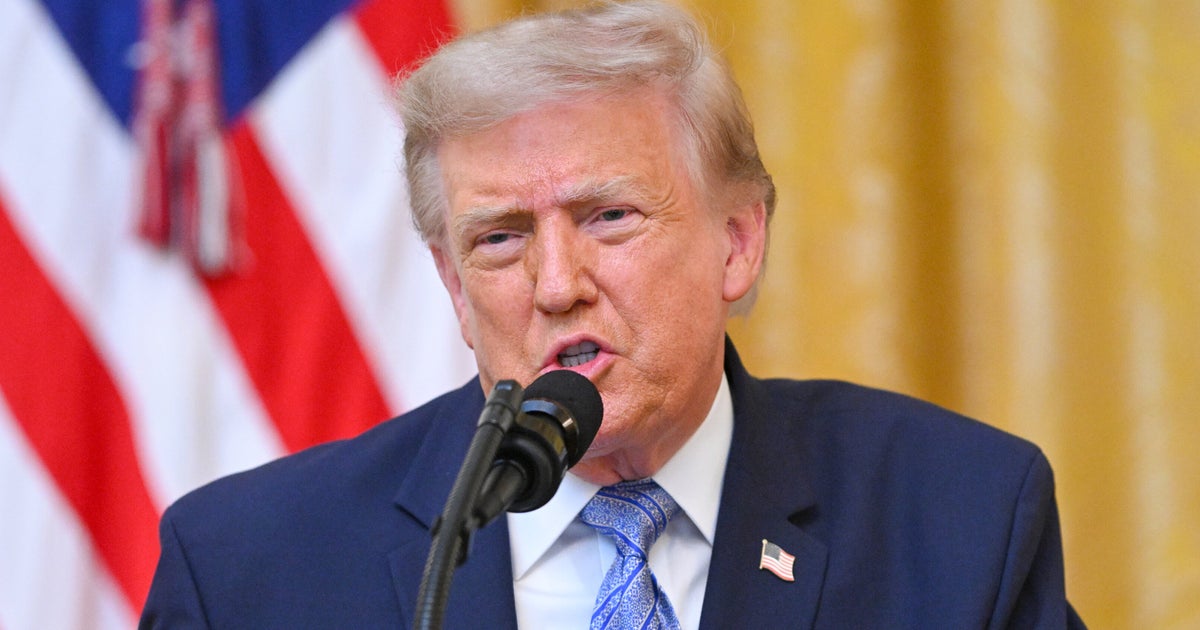
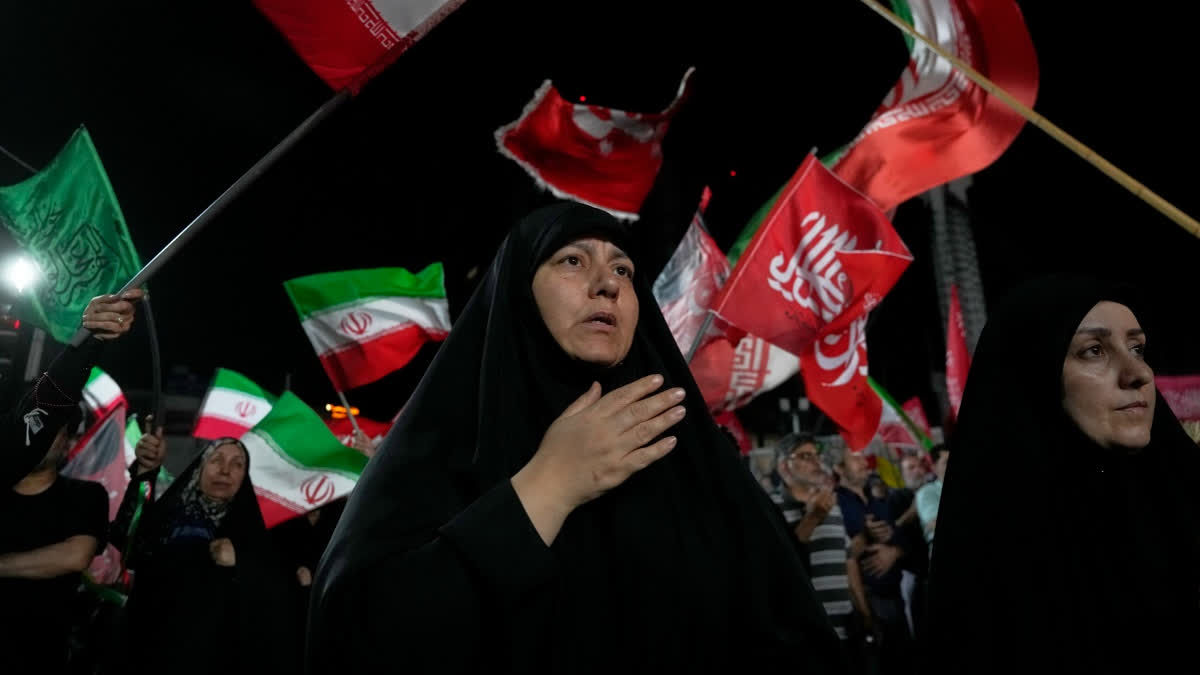
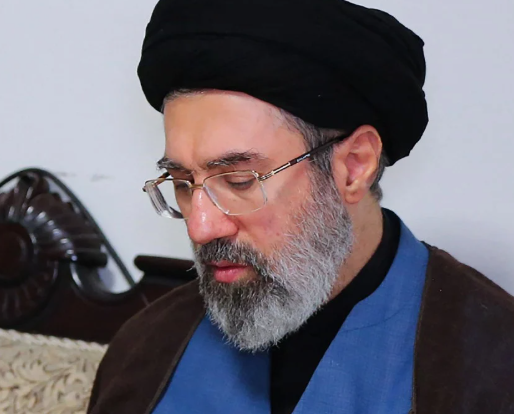
A Diplomatic Breach
The collapse of the ceasefire agreement was confirmed on Saturday by Iran’s deputy foreign minister, Kazem Gharibabadi, who stated that Tehran would no longer abide by its commitments. The supreme leader, who has remained unseen since the onset of the conflict, utilized state television to broadcast his rejection of the deal. According to the statement, the recent actions of the United States proved that the signature of the President of America is now utterly worthless and invalid.
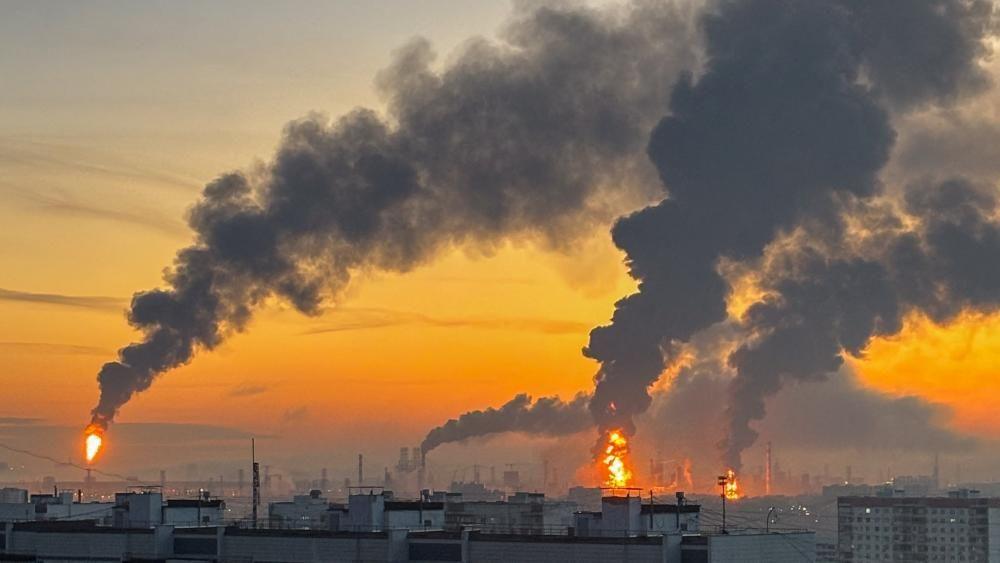
The diplomatic breakdown mirrors the deteriorating situation on the ground. For the seventh consecutive night, the United States Central Command conducted strikes targeting what it described as maritime capabilities, military logistics, and underground weapons storage sites. Conversely, Iranian state media and local officials reported extensive damage to civilian infrastructure within Iran, including the destruction of the Bonji desalination plant and damage to facilities on Qeshm Island. These strikes have reportedly left thousands without access to drinking water and severely impacted power grids across southern provinces.
The Widening Front
The violence is no longer confined to the immediate theater of Iran and the United States. Tehran has expanded its reach, launching strikes against energy and water infrastructure in Kuwait. The Kuwait Petroleum Corporation confirmed that both a desalination plant and an oil facility sustained fire damage, forcing power units offline and leading the Kuwait Fire Force to contend with multiple blazes. The Gulf Cooperation Council, through its secretary general, Jasem Mohamed al-Budaiwi, condemned the strikes on civilian facilities as war crimes.
Regional stability is further strained by the involvement of Iran’s allies in the Axis of Resistance.
Authorities in Bahrain reported that their air defense systems intercepted Iranian attacks directed at air bases used by the United States. Similarly, Jordan’s state-run Petra news agency confirmed that its defenses had downed multiple missiles, while Iraqi forces intercepted drones over Irbil. Amid these tensions, there is mounting speculation that the Houthis in Yemen may attempt to close the Bab al-Mandeb gateway, a move that would further tighten the squeeze on global energy markets.
Conflict Over the Strait
Control of the Strait of Hormuz remains the central objective of the hostilities. Since the closing of the strait by Iran at the start of the conflict on 28 February 2026, the vital shipping lane has become a primary bargaining chip. While the United States has reimposed a naval blockade on Iranian ports to impede crude oil shipments, Iran continues to demand that any vessels navigating the waterway pay fees directly to Tehran.
The situation remains fluid, with military officials signaling an even more aggressive posture. Major General Mohsen Rezaei, a senior military adviser to the supreme leader, warned that Iran would move away from its policy of like-for-like retaliation toward full-scale offensive operations
should the United States maintain its current pace of strikes.
What to Watch Next
- Military Posture: Whether the United States responds to the deaths of its service members in Jordan with a significant expansion of its targeting list.
- Energy Supply: The status of the Strait of Hormuz and whether the blockade on Iranian ports leads to a further shift toward pipeline-based energy exports.
- Regional Impact: The humanitarian conditions in southern Iran and Kuwait, where damaged desalination plants have left civilians facing acute shortages of drinking water.
- Proxy Involvement: Potential actions by the Houthis regarding the Bab al-Mandeb, which would indicate whether the war is set to expand geographically beyond the Gulf.
As the conflict continues, the disconnect between Washington and Tehran appears absolute. With both sides viewing the war as an existential struggle, external mediators face the daunting task of re-establishing contact while the infrastructure of the entire region faces increasing destruction. For now, the promised unforgettable lessons
from Tehran suggest that the coming days will be defined by further escalation rather than a return to the negotiating table.
How significant is this development?
Contribute your assessment to the aggregated reader sentiment ledger.
Frequently Asked Questions
Key questions answered in this reportWhat is the key development in: Iran Supreme Leader warns of unforgettable lessons if US attacks continue?
The conflict has entered a volatile phase as Iran formally withdrew from a diplomatic agreement following the deaths of two American service members in Jordan. Military officials from both sides are now signaling a move toward more aggressive, full-scale offensive operations.
Why is this World development significant for the UK?
This report covers critical events in our World beat. Independent reporting monitors related UK statements, regulatory shifts, and public responses as further verified details emerge.
How was this reporting corroborated and verified?
Newsarchy UK compiles and cross-references reporting from primary reporting from vanguardngr.com and cross-checked wire reports. All coverage adheres to published editorial standards.
When was this report published?
This briefing was published on July 18, 2026 and is permanently cataloged in the Newsarchy UK World archives.