US reimposes naval blockade on Iran amid escalating military conflict
The US has reinforced a naval blockade on Iran following a series of strikes on military and civilian infrastructure, effectively ending a June interim deal. This escalation has disrupted transit in the Strait of Hormuz, causing significant volatility in global oil markets.

- Core Development: The US has reinforced a naval blockade on Iran following a series of strikes on military and civilian infrastructure, effectively ending a June interim deal. This escalation has disrupted transit in the Strait of Hormuz, causing significant volatility in global oil markets.
- Beat Context: Categorized under World with independent corroboration.
- Reporting Depth: 3 minute analytical read synthesized from verified newsroom sources.
The United States has reinforced its naval blockade on Iran’s southern ports, a development that signals the collapse of the interim diplomatic agreement established in June. This renewed maritime siege follows a week of intense military escalation that has effectively voided a brief period of regional stability.
The conflict, which traces its origins to 28 February 2026 when United States and Israeli forces initiated strikes on Iranian targets, has once again concentrated on the Strait of Hormuz. Following the February onset of hostilities, Iran effectively closed the waterway, causing global prices for oil and fertilizer to climb. An interim deal brokered in June had briefly permitted the reopening of the strait and allowed Iran to resume crude oil exports, facilitated by a temporary suspension of the naval blockade that was originally established in mid-April.
Media additions
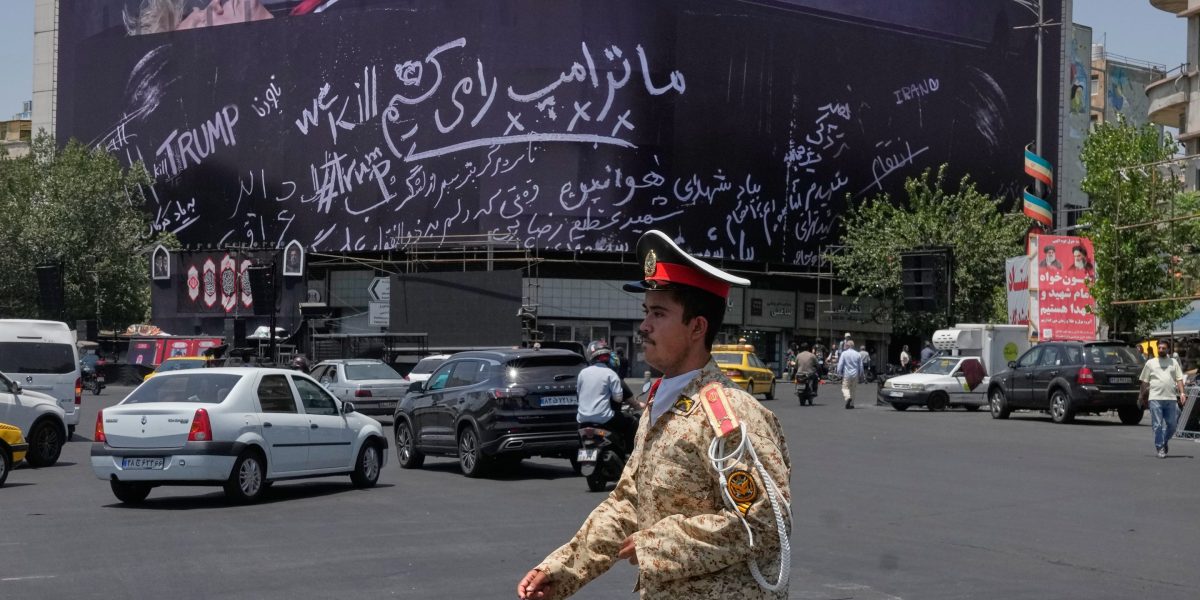
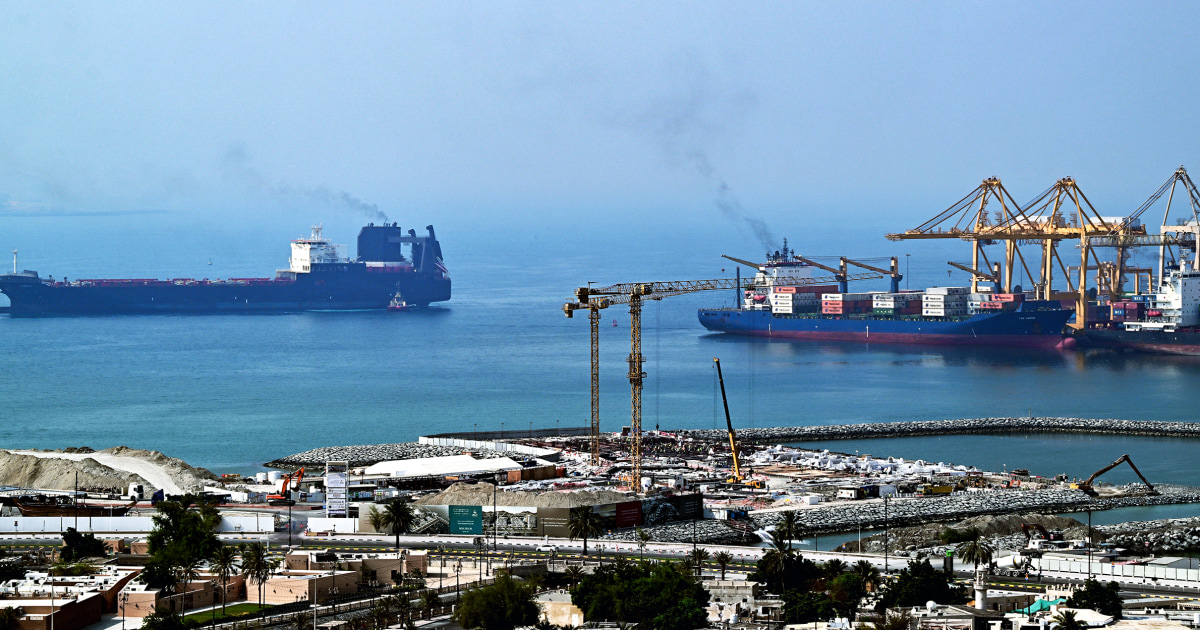

Escalation and Renewed Hostilities
Following subsequent strikes on vessels, the United States revoked the oil and banking waivers that were central to the June agreement and moved to re-enforce the blockade.
As of 18 July 2026, the United States has redirected multiple commercial vessels and engaged in direct military action. This included a strike to disable the Curacao-flagged tanker Belma, which officials accused of transporting Iranian crude. US Central Command has reported an increased tempo of operations, including daylight strikes and actions targeting Greater Tunb Island—a site identified by some analysts as a strategic point for controlling the strait.
Infrastructure and Civilian Impact
The United States has targeted infrastructure in northern provinces, including the Aq Tekeh railway bridge in Golestan. According to Iranian authorities, strikes have systematically targeted civilian facilities, including power stations, water plants, and transport hubs. Another strike targeted a barracks for Iran’s 388th Mechanized Infantry Brigade, which operates tanks and armored vehicles, in Sistan and Baluchestan province.
Iranian leadership has responded to the renewed blockade with defiance. The Revolutionary Guard has issued a warning regarding regional energy flows, stating that oil and gas exports from the region will be either for everyone or for no one
. Furthermore, Iranian officials, including parliament speaker Mohammad Bagher Ghalibaf, have signaled preparedness for a deeper military confrontation, while President Masoud Pezeshkian has vowed that Iran would respond in action and protect what we believe in, every inch of our soil
.
The economic impact of these developments is visible in local and global markets. The Iranian rial reached an all-time low on 18 July 2026, and the Tehran Stock Exchange’s main index fell by 120,000 points. Energy analysts indicate that the current blockade effectively removes at least 1.5 million barrels of Iranian oil per day from the global market, placing further strain on already depleted strategic reserves. Brent crude has traded above $85 a barrel during this period of instability.
Diplomatic Outlook and Future Risks
While the interim agreement has largely unraveled, regional mediators continue to work to facilitate a return to negotiations. United States President Donald Trump has linked the potential for future military action to the progress of these talks. After initially proposing a 20 percent fee on vessels navigating the Strait of Hormuz, President Trump withdrew the plan in favour of pursuing investment deals with Gulf allies. However, he has explicitly warned that if a deal is not reached, the United States may pursue further strikes on civilian infrastructure, stating,
"You better make a deal, or you’re not going to have anything left."
As the blockade continues, the situation remains volatile. Iran has warned that it will retaliate against strikes on its own infrastructure by targeting similar facilities in regional countries that host American military bases. Meanwhile, global energy analysts caution that the narrowing of spare capacity in the oil market leaves the international economy increasingly vulnerable to the next potential shock.
How significant is this development?
Contribute your assessment to the aggregated reader sentiment ledger.
Frequently Asked Questions
Key questions answered in this reportWhat is the key development in: US reimposes naval blockade on Iran amid escalating military conflict?
The US has reinforced a naval blockade on Iran following a series of strikes on military and civilian infrastructure, effectively ending a June interim deal. This escalation has disrupted transit in the Strait of Hormuz, causing significant volatility in global oil markets.
Why is this World development significant for the UK?
This report covers critical events in our World beat. Independent reporting monitors related UK statements, regulatory shifts, and public responses as further verified details emerge.
How was this reporting corroborated and verified?
Newsarchy UK compiles and cross-references reporting from primary reporting from nbcnews.com and cross-checked wire reports. All coverage adheres to published editorial standards.
When was this report published?
This briefing was published on July 18, 2026 and is permanently cataloged in the Newsarchy UK World archives.


