Two US troops killed and one missing following Iranian attack in Jordan
Two U.S. service members were killed and a third remains missing following an Iranian ballistic missile and drone attack on a base in Jordan on July 17, 2026.
- Core Development: Two U.S. service members were killed and a third remains missing following an Iranian ballistic missile and drone attack on a base in Jordan on July 17, 2026.
- Beat Context: Categorized under World with independent corroboration.
- Reporting Depth: 3 minute analytical read synthesized from verified newsroom sources.
Two United States service members were killed and a third remains missing following an Iranian ballistic missile and drone attack in Jordan on Friday, 17 July 2026. The incident, confirmed by U.S. Central Command on Saturday, 18 July 2026, represents the first American combat fatalities resulting from direct Iranian fire since the initial phase of the conflict.
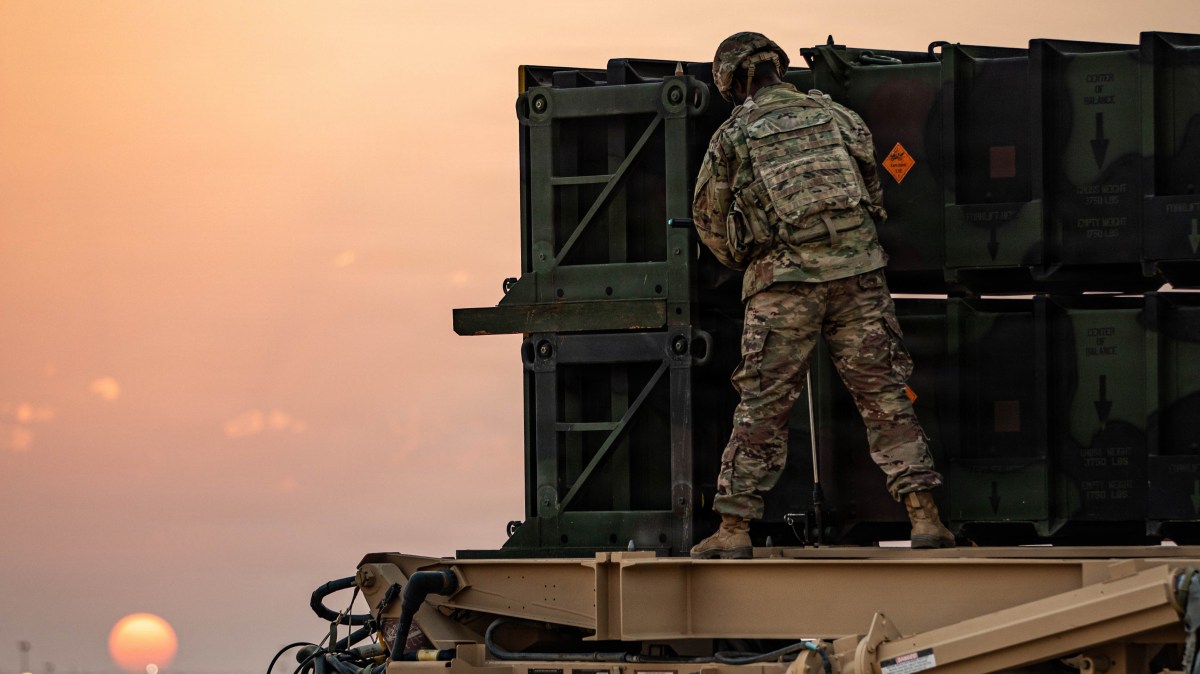
The fallen personnel were defending a base in Jordan—which Iranian media reports identified as the Al-Azraq Base—against a coordinated barrage of projectiles. In addition to the casualties, four other service members sustained injuries requiring medical evacuation to hospitals within Jordan. Officials stated that these individuals have since been discharged, while others who suffered minor injuries have returned to duty. The military has withheld the names of the affected troops, citing a policy to wait at least 24 hours after the notification of next of kin.
Media additions


Escalating Regional Conflict
The strike occurred amid a significant intensification of hostilities across the Middle East. Friday, 17 July 2026, marked the seventh consecutive night of U.S. Military operations against Iranian targets. CENTCOM officials reported that these recent campaigns targeted surveillance sites, military logistics infrastructure, underground weapons storage, and maritime capabilities. Conversely, Iranian forces have expanded their reach, targeting military-linked facilities and critical infrastructure in Kuwait, including a water desalination plant and an oil facility. These strikes caused fires and forced power generation units offline in a nation that relies heavily on desalination for its water supply.
The conflict has centered heavily on the Strait of Hormuz, a critical maritime chokepoint. While the U.S. Maintains its campaign is necessary to protect civilian sailors and ensure freedom of navigation, Iran has asserted that it should hold sole control over the waterway, leading to a de facto closure of shipping traffic and the reintroduction of a U.S. Naval blockade on Iranian ports.
Diplomatic Collapse
The latest violence follows the breakdown of an interim ceasefire agreement signed approximately one month ago. Both nations have effectively abandoned the pact, with Iran’s deputy foreign minister, Kazem Gharibabadi, stating that Tehran is no longer implementing its commitments. The collapse was punctuated by warnings from Iranian leadership. State television read a statement attributed to Mojtaba Khamenei, which warned of "unforgettable lessons" for the United States and characterized the signature of President Donald Trump as "worthless and invalid."
The regional tension has drawn in other neighboring states. Jordanian authorities reported the interception of 10 Iranian missiles within their airspace, while Iraq, Bahrain, and Saudi Arabia have also reported air defense activity or alarms related to incoming threats. The secretary general of the Gulf Cooperation Council, Jasem Mohamed al-Budaiwi, has publicly accused Iran of committing war crimes through its targeting of civilian infrastructure.
Operational Context and Casualty Toll
The current death toll for U.S. Personnel in the conflict has reached 16, with more than 400 service members wounded. The operational tempo remains high, with U.S. Officials acknowledging additional injuries among Army soldiers and Navy sailors earlier this week. The following table summarizes the scope of the recent confrontation:
| Incident Detail | Status/Impact |
|---|---|
| U.S. Fatalities in Jordan (17 July) | 2 |
| U.S. Missing in Jordan | 1 |
| U.S. Medical Evacuations (Jordan) | 4 |
| U.S. Strikes (Consecutive Nights) | 7 |
| Reported Regional Conflict Casualties | Significant infrastructure damage and civilian injuries |
Iranian leaders have vowed to continue their resistance against military pressure, while U.S. Officials maintain that strikes will persist until regional security conditions are met. Observers are watching for further retaliation from Iranian proxy groups, which the Islamic Revolutionary Guard Corps has suggested may be prepared to respond to countries hosting American forces.
How significant is this development?
Contribute your assessment to the aggregated reader sentiment ledger.
Frequently Asked Questions
Key questions answered in this reportWhat is the key development in: Two US troops killed and one missing following Iranian attack in Jordan?
Two U.S. service members were killed and a third remains missing following an Iranian ballistic missile and drone attack on a base in Jordan on July 17, 2026.
Why is this World development significant for the UK?
This report covers critical events in our World beat. Independent reporting monitors related UK statements, regulatory shifts, and public responses as further verified details emerge.
How was this reporting corroborated and verified?
Newsarchy UK compiles and cross-references reporting from primary reporting from ky3.com and cross-checked wire reports. All coverage adheres to published editorial standards.
When was this report published?
This briefing was published on July 18, 2026 and is permanently cataloged in the Newsarchy UK World archives.