Iran escalates Gulf missile attacks and declares Strait of Hormuz closed
Tehran has announced the closure of the Strait of Hormuz, signaling the collapse of a de-escalation agreement amid ongoing missile and drone exchanges. The conflict has impacted regional infrastructure and raised global oil prices.
- Core Development: Tehran has announced the closure of the Strait of Hormuz, signaling the collapse of a de-escalation agreement amid ongoing missile and drone exchanges. The conflict has impacted regional infrastructure and raised global oil prices.
- Beat Context: Categorized under World with independent corroboration.
- Reporting Depth: 3 minute analytical read synthesized from verified newsroom sources.
Conflict between the United States and Iran intensified sharply this weekend, as Tehran declared the Strait of Hormuz closed to all transit following a seventh consecutive night of U.S. Military strikes. The declaration marks the total collapse of an interim agreement intended to de-escalate regional hostilities, plunging the Persian Gulf into a cycle of missile and drone exchanges that threaten global energy supplies and regional stability.
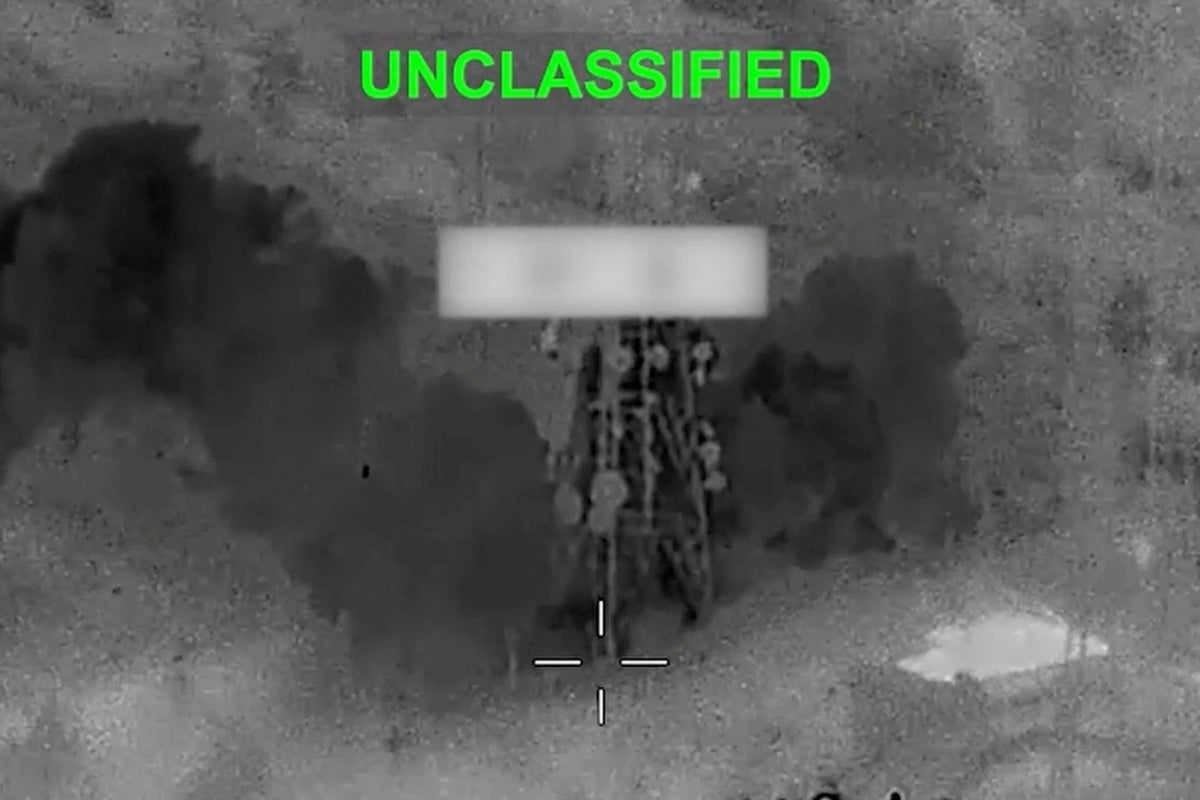
The U.S. Military has expanded its reach, striking targets across northern and southern Iran, including bridges, power stations, and a maritime surveillance tower at the Chah Bahar Shahid Kalantari Port. U.S. Central Command stated the tower had been used for decades by the Islamic Revolutionary Guard Corps to track and target commercial vessels.
Media additions

Escalation of Infrastructure Attacks
The conflict has increasingly targeted civilian and vital infrastructure. Iranian strikes against U.S. Allies—specifically Kuwait, Bahrain, and Jordan—have hit oil facilities, power plants, and desalination infrastructure. In Kuwait, a desalination plant was struck, and multiple firefighters and oil sector workers were injured while battling blazes ignited by Iranian missiles.
In response to the U.S. Blockade of Iranian ports and the revocation of oil sales waivers, Tehran has adopted an aggressive stance. The Persian Gulf Strait Authority announced that passage is currently impossible, citing "recent illegal movements of the United States military forces in the region".
Diplomatic and Military Standoff
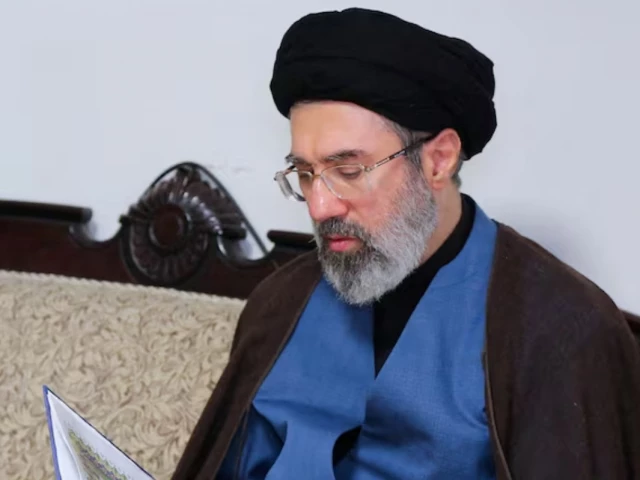
The collapse of the memorandum of understanding signed in June was confirmed by Iranian Deputy Foreign Minister Kazem Gharibabadi, who stated that Tehran is no longer implementing any commitments under the deal. Supreme Leader Mojtaba Khamenei, speaking through a spokesperson, denounced President Donald Trump’s signature as "utterly worthless and devoid of credibility" and warned that the "Resistance Front" would deliver "unforgettable lessons" to the U.S.
The U.S. Government maintains that the Strait of Hormuz remains open. The U.S. Navy-led Joint Maritime Information Center continues to advise that an "expanded" southern route near Oman is available for traffic, despite the severe security risks. Tensions regarding maritime access remain high, as Iran continues to insist it has the right to control the waterway.
Regional Impact and Humanitarian Toll
The humanitarian toll has risen as the tempo of strikes increases. According to the Iranian health ministry, 50 people have been killed and over 500 wounded since hostilities resumed. The Gulf Cooperation Council has labeled the targeting of civilian infrastructure by Iran as "war crimes," reflecting the deepening isolation of Tehran among its neighbors. Meanwhile, the uncertainty surrounding the strait has caused Brent crude oil prices to climb, pressuring the U.S. Economy as the November congressional elections approach.
What to Watch Next
- 21 July 2026: President Trump is scheduled to host a summit at the White House with Lebanese President Joseph Aoun, where the regional security situation will be a primary topic of discussion.
- Maritime Security: U.S. Central Command continues to patrol and redirect commercial vessels, creating a persistent risk of direct naval engagement between U.S. Warships and Iranian Revolutionary Guard craft.
How significant is this development?
Contribute your assessment to the aggregated reader sentiment ledger.
Frequently Asked Questions
Key questions answered in this reportWhat is the key development in: Iran escalates Gulf missile attacks and declares Strait of Hormuz closed?
Tehran has announced the closure of the Strait of Hormuz, signaling the collapse of a de-escalation agreement amid ongoing missile and drone exchanges. The conflict has impacted regional infrastructure and raised global oil prices.
Why is this World development significant for the UK?
This report covers critical events in our World beat. Independent reporting monitors related UK statements, regulatory shifts, and public responses as further verified details emerge.
How was this reporting corroborated and verified?
Newsarchy UK compiles and cross-references reporting from primary reporting from tribune.com.pk and cross-checked wire reports. All coverage adheres to published editorial standards.
When was this report published?
This briefing was published on July 18, 2026 and is permanently cataloged in the Newsarchy UK World archives.