Johor durian season may lift voter turnout in close state seats
Analysts believe the convergence of rural harvest activities and the upcoming election could drive higher voter participation in key Johor battlegrounds. The surge in orchard activity is expected to bring residents home, potentially shifting outcomes in closely contested constituencies.
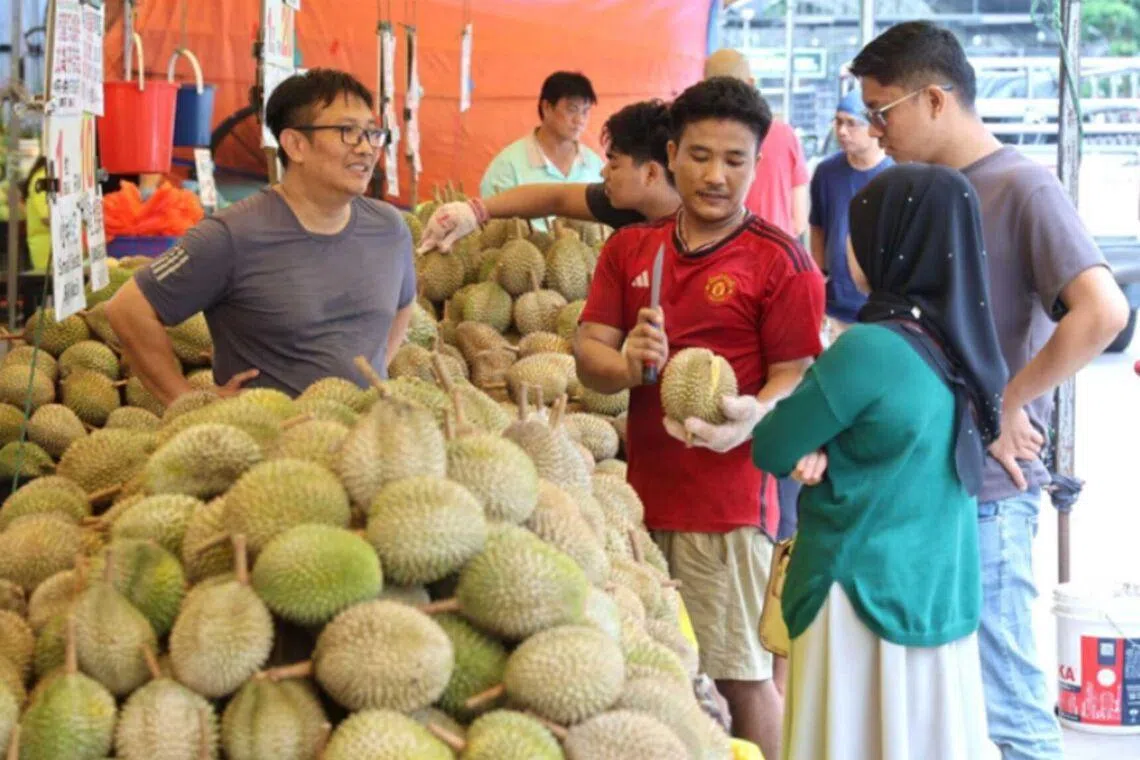
- Core Development: Analysts believe the convergence of rural harvest activities and the upcoming election could drive higher voter participation in key Johor battlegrounds. The surge in orchard activity is expected to bring residents home, potentially shifting outcomes in closely contested constituencies.
- Beat Context: Categorized under World with independent corroboration.
- Reporting Depth: 3 minute analytical read synthesized from verified newsroom sources.
The state election slated for July 11, 2026 coincides with the peak of Johor’s durian harvest, and analysts say the fruit‑filled weeks could nudge enough voters back to the polls to tip the balance in several marginal constituencies.
Durian belts and the timing of the vote
Johor’s “durian belt” stretches across Batu Pahat, Tangkak, Segamat, Muar, Kluang and Kota Tinggi, covering a swathe of rural and semi‑rural seats that are expected to be hotly contested. 2024 Agriculture Department data list Batu Pahat as the top producer with 56,896 tonnes, followed by Tangkak with 52,515 tonnes and Segamat with 38,026 tonnes. In the following year Tangkak overtook Batu Pahat, recording 60,349 tonnes while Batu Pahat fell to 52,328 tonnes and Segamat rose to 47,236 tonnes. The state contributed 189,779 tonnes in 2024 – more than one‑third of Malaysia’s total output.
Media additions
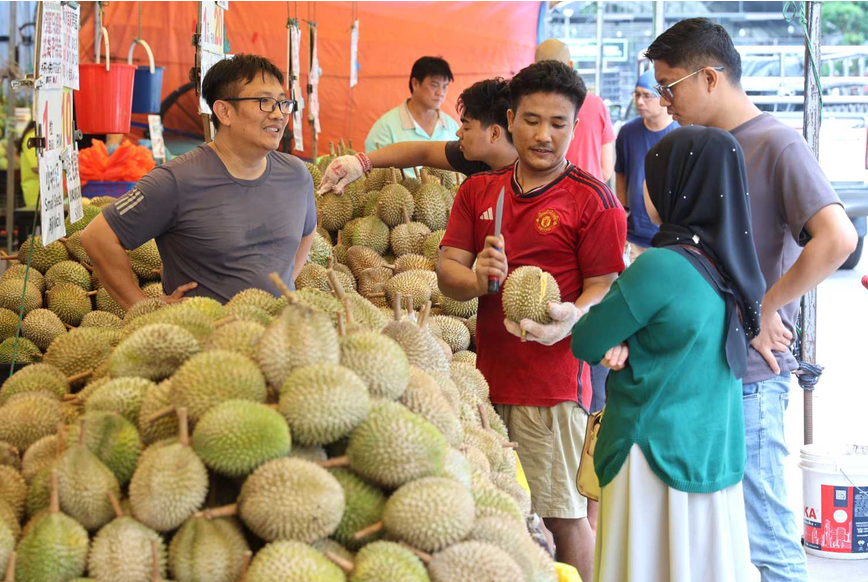

The harvest window falls squarely in July, the same month as the election, and the bumper crop is expected to sustain strong orchard activity into August. “Higher orchard income and roadside sales may improve household sentiment and generate greater movement within rural communities,” said Awang Azman Awang Pawi, a socio‑political analyst at Universiti Malaya.
“I do believe that durian is a big attraction, whatever the occasion is,”
Azmi Hassan, senior fellow, Nusantara Academy for Strategic Research, via The Straits Times
Azmi Hassan of the Nusantara Academy for Strategic Research echoed the sentiment, noting that the fruit’s “widespread appeal makes it a natural draw for voters to return home on polling day.”
Why turnout matters now
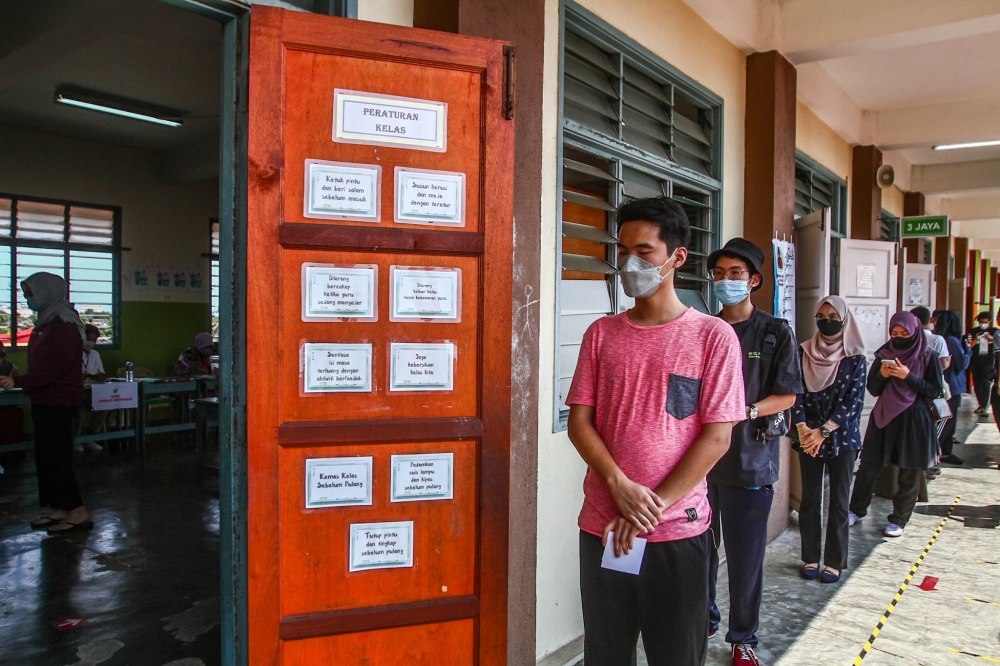
Johor’s 2022 state election recorded a historic low turnout of 54.92 percent, with only 1,426,573 ballots cast out of nearly 2.6 million eligible voters. The slump was attributed to pandemic‑related travel anxiety, a fragmented political landscape and a surge of new voters on the rolls who failed to turn up.
By the 2026 cycle the electorate has expanded to 2,725,559 registered voters, and parties are scrambling to avoid a repeat of the 2022 apathy. “If the turnout reaches 70 to 75 percent, Pakatan Harapan stands to gain more through the mobilisation of non‑Malay voters, young voters, and progressive Malay voters,” said Hisommudin Bakar, executive director of the Ilham Centre, quoted in Free Malaysia Today. By contrast, a low turnout would “conventionally be to Barisan Nasional’s advantage, because it has a wide organisational network and a more stable base of core supporters,” he added.
Seven seats are identified as the tightest battlegrounds:
- Bukit Batu – Pakatan Harapan, majority 137
- Bukit Pasir – Barisan Nasional, majority 198
- Parit Yaani – Barisan Nasional, majority 294
- Tangkak – Pakatan Harapan, majority 372
- Serom – Barisan Nasional, majority 699
- Bukit Kepong – Perikatan Nasional, majority 710
- Jementah – Pakatan Harapan, majority 714
These margins, all under a thousand votes, mean that even a slight uplift in voter participation could swing the seat. The districts that host these contests – notably Batu Pahat, Tangkak and Segamat – are precisely those pulsing with durian activity.
Election dynamics beyond the fruit
Johor’s political arena remains a clash between the long‑dominant Barisan Nasional (BN) and the reform‑leaning Pakatan Harapan (PH), with Perikatan Nasional (PN) acting as a third force.
PN is split between the Islamist PAS and the Bersatu faction, while PKR’s split over the new “Bersama” vehicle adds another layer of uncertainty. Both splits could fragment the anti‑BN vote, amplifying the importance of voter mobilisation in the marginal seats.
Timeline of key electoral dates
| Event | Date |
|---|---|
| Nomination day | June 27, 2026 |
| Early voting | July 7, 2026 |
| Election day | July 11, 2026 |
| Durian harvest peak | July 2026 (extends into August) |
The overlap of early voting with the height of orchard activity means that families travelling to rural hometowns for the harvest may also be able to cast ballots, a scenario highlighted by Sivamurugan Pandian of Universiti Sains Malaysia: “It is unlikely to fundamentally alter electoral outcomes on its own, but in closely contested seats, even a marginal increase in turnout could prove politically meaningful.”
What to watch next
As Johor’s electorate inches toward the polls, the fruit that fuels a regional economy may also become an unexpected catalyst for civic engagement. Whether the sweet
How significant is this development?
Contribute your assessment to the aggregated reader sentiment ledger.
Frequently Asked Questions
Key questions answered in this reportWhat is the key development in: Johor durian season may lift voter turnout in close state seats?
Analysts believe the convergence of rural harvest activities and the upcoming election could drive higher voter participation in key Johor battlegrounds. The surge in orchard activity is expected to bring residents home, potentially shifting outcomes in closely contested constituencies.
Why is this World development significant for the UK?
This report covers critical events in our World beat. Independent reporting monitors related UK statements, regulatory shifts, and public responses as further verified details emerge.
How was this reporting corroborated and verified?
Newsarchy UK compiles and cross-references reporting from primary reporting from straitstimes.com and cross-checked wire reports. All coverage adheres to published editorial standards.
When was this report published?
This briefing was published on July 6, 2026 and is permanently cataloged in the Newsarchy UK World archives.
-1792908271141.webp)