Rubio warns Iran Strait of Hormuz demands create dangerous global precedent
Secretary of State Marco Rubio cautioned Asian leaders at an ASEAN gathering that Iran’s efforts to regulate the Strait of Hormuz threaten global maritime order.
Rubio warns Iran Strait of Hormuz demands create dangerous global precedent
EXECUTIVE BRIEFKey Takeaways & Signal
Core Development: Secretary of State Marco Rubio cautioned Asian leaders at an ASEAN gathering that Iran’s efforts to regulate the Strait of Hormuz threaten global maritime order.
Beat Context: Categorized under World with independent corroboration.
U.S. Secretary of State Marco Rubio issued a warning to Asian leaders on Wednesday, 22 July 2026, regarding Iranian efforts to dominate the Strait of Hormuz. Speaking at the commencement of the annual Association of Southeast Asian Nations (ASEAN) ministerial gathering in Manila, Rubio argued that Tehran’s attempts to regulate passage and impose tolls on commercial shipping constitute an unsustainable challenge to the international order.
Rubio articulated the strategic concern that allowing such actions would establish a global standard for maritime interference.
"If we create a precedent in the Middle East where a nation-state can decide that they are going to control an international waterway, charge a toll and if you don’t pay them, blow up your ships, we have created a very dangerous precedent which will repeat itself in other parts of the world, including in this region."
Media additions
Image via cnbctv18.comImage via thestar.com
Marco Rubio, U.S. Secretary of State, via Associated Press
The conflict has direct implications for Southeast Asian economies, which the International Energy Agency noted rely on the waterway for significant portions of their crude oil and liquefied natural gas imports. Regional diplomats, including Australian Foreign Minister Penny Wong, have expressed concern that the instability is damaging energy markets and regional security. While the U.S. Remains focused on the military campaign, Rubio emphasized that the administration remains supportive of its ASEAN partners.
Conflict and Tactical Escalation
Military engagement continues to intensify, with the U.S. Conducting an 11th consecutive night of airstrikes against targets in Iran. President Donald Trump has linked future tactical operations directly to the safety of the strait, announcing that the United States would retaliate against any Iranian attack on a ship by destroying a bridge or power plant within Iran. The administration has also warned that any attempt by Tehran to establish a new nuclear site would trigger a U.S. Strike.
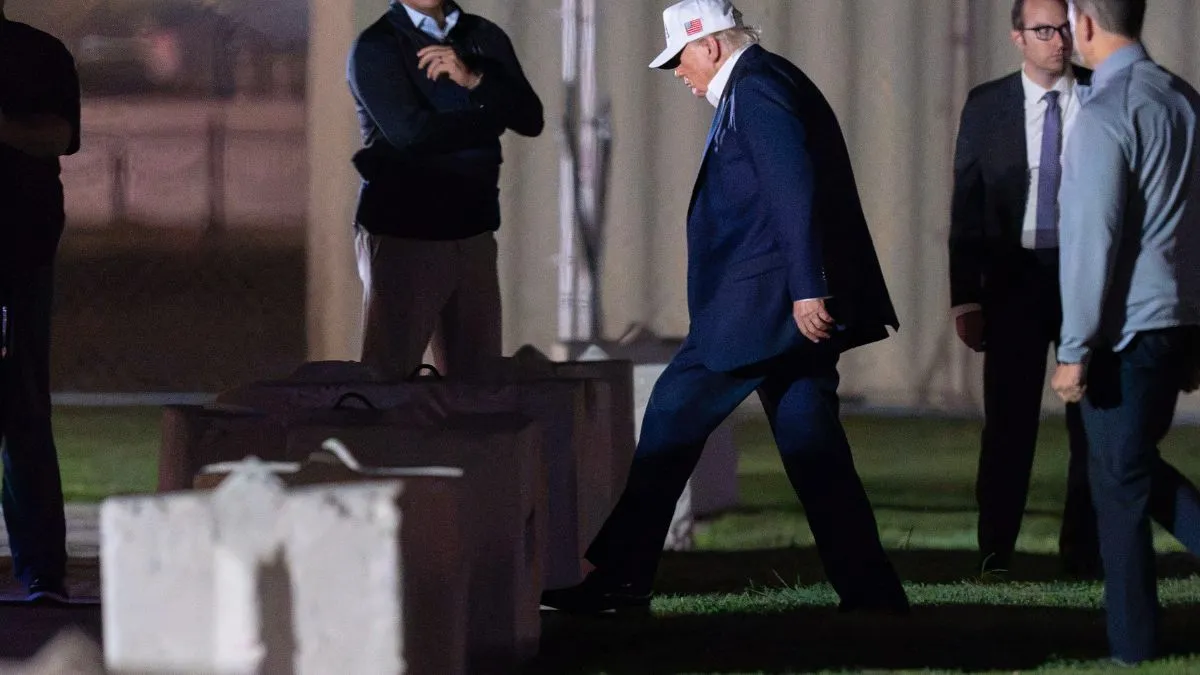
The human cost of the conflict, which began on 28 February, continues to rise. On Wednesday, 22 July 2026, President Trump attended a dignified transfer ceremony at Dover Air Force Base for four service members killed in the Middle East. With these returns, the total number of American personnel lost during the campaign reached 18. Defense Secretary Pete Hegseth recently estimated the financial cost of the war at $37.5 billion, while the administration seeks further legislative funding to support ongoing operations.
International Diplomatic Responses
The summit in Manila has provided a venue for competing perspectives on the escalation:
Russia: Foreign Minister Sergey Lavrov stated that Moscow favors a rapid settlement, noting the conflict’s negative impact on the global economy and energy prices. Lavrov is scheduled to hold bilateral talks with Rubio on Thursday to discuss the Middle East and the war in Ukraine.
Pakistan: Islamabad expressed deep concern regarding attempts to draw Saudi Arabia into the conflict and reaffirmed its support for the sovereignty and security of the Kingdom.
China: Rubio met with Chinese Foreign Minister Wang Yi to discuss regional disagreements and a prospective trade meeting between the U.S. And China scheduled for September. While the U.S. And China maintain friction over territorial issues in the South China Sea, Rubio noted that China has publicly opposed Iran’s attempts to control the Strait of Hormuz.
Emerging Developments
The administration continues to balance military objectives with diplomatic overtures. While Rubio noted that Tehran has reached out for potential talks, he stated that the U.S. Does not currently perceive the Iranian leadership as serious about a diplomatic settlement. Simultaneously, reports indicate that the Trump administration has approved a deal that could provide Saudi Arabia with uranium enrichment capabilities, a move expected to undergo Congressional review.
As of Wednesday, 22 July 2026, the situation remains fluid. In the Middle East, Jordan reported intercepting multiple drones and missiles launched from Iran, while the U.S. Military continues its bombardment of Iranian infrastructure. The focus for diplomatic observers now shifts to the scheduled talks in Manila and the potential for a formal announcement regarding the U.S.-Saudi nuclear agreement.
READER INTELLIGENCE PULSE
How significant is this development?
Contribute your assessment to the aggregated reader sentiment ledger.
Click an option to register your anonymous assessment.
Frequently Asked Questions
Key questions answered in this report
What is the key development in: Rubio warns Iran Strait of Hormuz demands create dangerous global precedent?
Secretary of State Marco Rubio cautioned Asian leaders at an ASEAN gathering that Iran’s efforts to regulate the Strait of Hormuz threaten global maritime order.
Why is this World development significant for the UK?
This report covers critical events in our World beat. Independent reporting monitors related UK statements, regulatory shifts, and public responses as further verified details emerge.
How was this reporting corroborated and verified?
Newsarchy UK compiles and cross-references reporting from primary reporting from thestar.com and cross-checked wire reports. All coverage adheres to published editorial standards.
When was this report published?
This briefing was published on July 22, 2026 and is permanently cataloged in the Newsarchy UK World archives.