Saudi Arabia extinguishes fire at Jazan oil refinery after Houthi drone attack
A fire sparked by a reported Houthi drone attack at the Saudi Aramco refinery in Jazan was extinguished on Sunday with no injuries reported.

- Core Development: A fire sparked by a reported Houthi drone attack at the Saudi Aramco refinery in Jazan was extinguished on Sunday with no injuries reported.
- Beat Context: Categorized under World with independent corroboration.
- Reporting Depth: 3 minute analytical read synthesized from verified newsroom sources.
Saudi authorities successfully extinguished a fire at the Saudi Aramco refinery located in Jazan, officials reported on Sunday, 9 August 2026. Industrial security teams and firefighters brought the blaze under control early in the morning, and the Saudi Energy Ministry confirmed that no injuries were reported, according to reports from Samaa and The Straits Times. The facility, situated in southwestern Saudi Arabia near the border with Yemen, processes crude oil and produces refined products including gasoline and ultra-light sulfur diesel, as noted by Khaleej Times.
While the Saudi Energy Ministry stated that relevant authorities were completing procedures to address the incident without formally identifying the cause of the fire in its official statements, Yemen's Iran-aligned Houthis claimed responsibility, asserting that a drone had targeted the refinery. Houthi military spokesperson Yahya Saree posted on X that the group carried out the strike, noting previous operations against Aramco infrastructure in Jazan and Yanbu on the Red Sea. According to Al Masirah TV, the group framed the action as retaliation for Saudi drone strikes in Yemen's Saada and Hajjah provinces.
Media additions
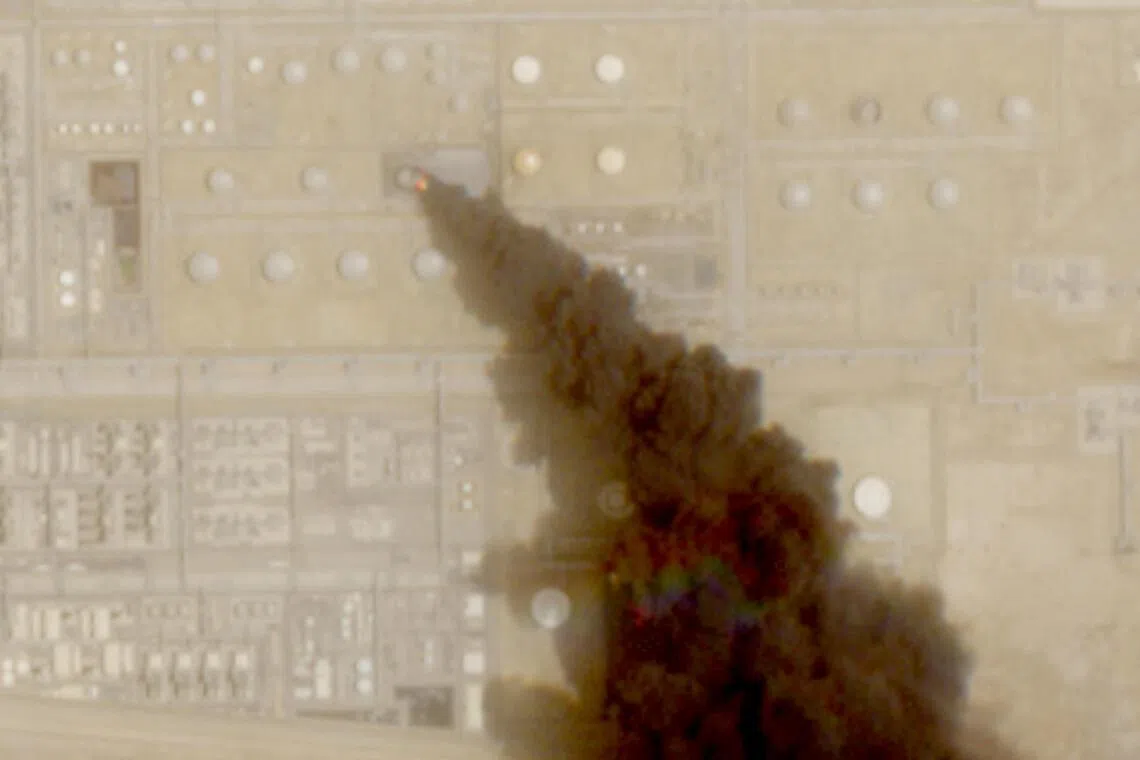


The refinery had previously been shut down following an earlier attack on July 27 that damaged the plant's Integrated Gasification Combined Cycle complex and tank farm area, consultancy IIR noted in a Reuters report cited by multiple outlets. Aramco Chief Executive Amin Nasser stated that recent attacks on company facilities had caused some production interruptions, but expressed confidence that operations could be restored quickly without material operational or financial impact.
The latest strike arrives at a critical juncture for regional security. The wider conflict intensified significantly following US and Israeli attacks on Iran on February 28, which prompted retaliatory actions and energy shipment disruptions across the region. The Houthis recently declared a naval blockade in the Red Sea, citing what they called a Saudi siege of Yemen—an allegation that Riyadh denies. Kuwait welcomed a UN Security Council statement condemning Houthi missile attacks on Saudi Arabia since July 13 and strikes on commercial shipping since July 22, reiterating solidarity with Saudi Arabia and backing measures taken to protect its sovereignty and security.
In response to mounting security threats against energy infrastructure and shipping lanes, Saudi Arabia formed a mutual defence pact with Turkey and Pakistan on August 7, prior to the latest Jazan fire. The accord stipulates that an armed attack against any of the three nations would be regarded as an attack on all. Turkish Foreign Minister Hakan Fidan maintained that the alliance serves as a general security pledge rather than a direct provocation against any specific nation, including Iran.
Key Developments in the Regional Energy Security Crisis
- July 27: An earlier attack damages the Jazan refinery's IGCC complex and tank farm area, forcing a temporary shutdown.
- August 7: Saudi Arabia, Turkey, and Pakistan sign a mutual defence pact to strengthen collective deterrence against regional aggression.
- August 9: A fire breaks out at the Aramco Jazan refinery following a reported Houthi drone attack, later brought under control with no injuries.
Observers will continue to monitor international shipping lanes for further disruptions and watch for implementation details regarding the newly signed Saudi-Turkish-Pakistani defence agreement.
How significant is this development?
Contribute your assessment to the aggregated reader sentiment ledger.
Frequently Asked Questions
Key questions answered in this reportWhat is the key development in: Saudi Arabia extinguishes fire at Jazan oil refinery after Houthi drone attack?
A fire sparked by a reported Houthi drone attack at the Saudi Aramco refinery in Jazan was extinguished on Sunday with no injuries reported.
Why is this World development significant for the UK?
This report covers critical events in our World beat. Independent reporting monitors related UK statements, regulatory shifts, and public responses as further verified details emerge.
How was this reporting corroborated and verified?
Newsarchy UK compiles and cross-references reporting from primary reporting from cnbctv18.com and cross-checked wire reports. All coverage adheres to published editorial standards.
When was this report published?
This briefing was published on August 9, 2026 and is permanently cataloged in the Newsarchy UK World archives.