Saudi Aramco shuts Jazan oil refinery following militant attack
Saudi Aramco shut down its 400,000 barrel-per-day Jizan oil refinery following a militant strike by Yemen's Houthi forces, adding pressure to the global fuel market.
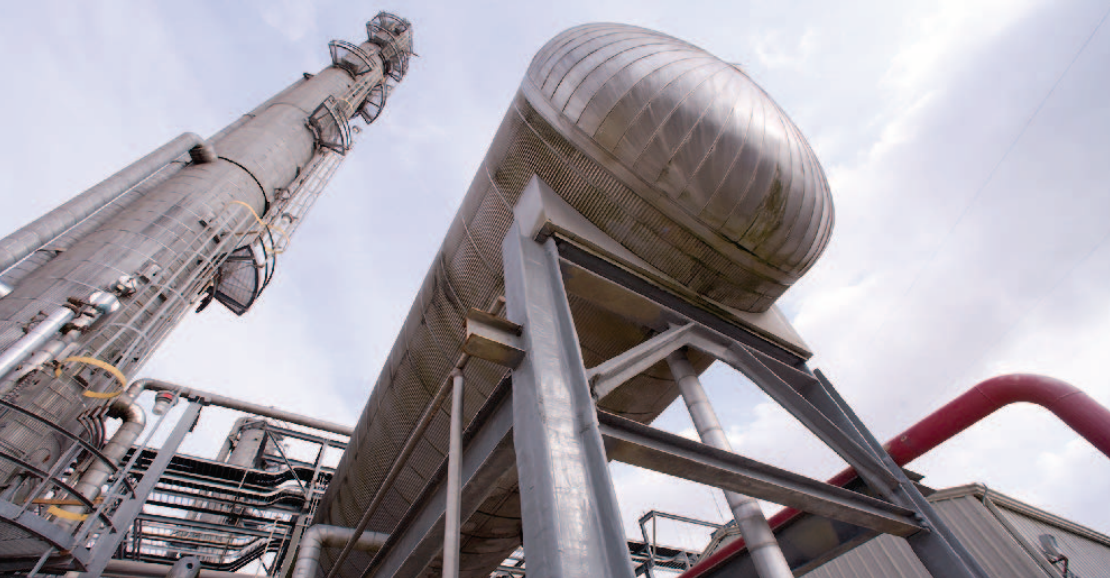
- Core Development: Saudi Aramco shut down its 400,000 barrel-per-day Jizan oil refinery following a militant strike by Yemen's Houthi forces, adding pressure to the global fuel market.
- Beat Context: Categorized under World with independent corroboration.
- Reporting Depth: 3 minute analytical read synthesized from verified newsroom sources.
Saudi Aramco shut down its 400,000 barrel-per-day Jizan oil refinery in Saudi Arabia on July 27 following an attack by Yemen's Houthi militants on Saturday. According to a note from consultancy firm IIR seen by Reuters, the strike caused damage to the facility's Integrated Gasification Combined Cycle complex and its tank farm area. Video footage shared on social media and verified by Reuters showed a large column of smoke billowing from the Red Sea refinery after the assault.
The stoppage at Jizan adds severe pressure to an already constrained global fuel market, arriving as disruptions in the Middle East and Russia's diesel export ban constrict supplies. According to Kpler shipping data, the refinery has maintained an export volume exceeding 200,000 barrels per day on average over recent months. Diesel and gasoil make up the majority of outgoing shipments, alongside significant quantities of naphtha destined for Asian markets via the Bab el-Mandeb strait. European diesel profit margins reached a record high of $70.77 a barrel on Tuesday, supported by attacks on regional energy installations, disruptions to transit routes including the Strait of Hormuz, and persistent export restrictions.
Media additions
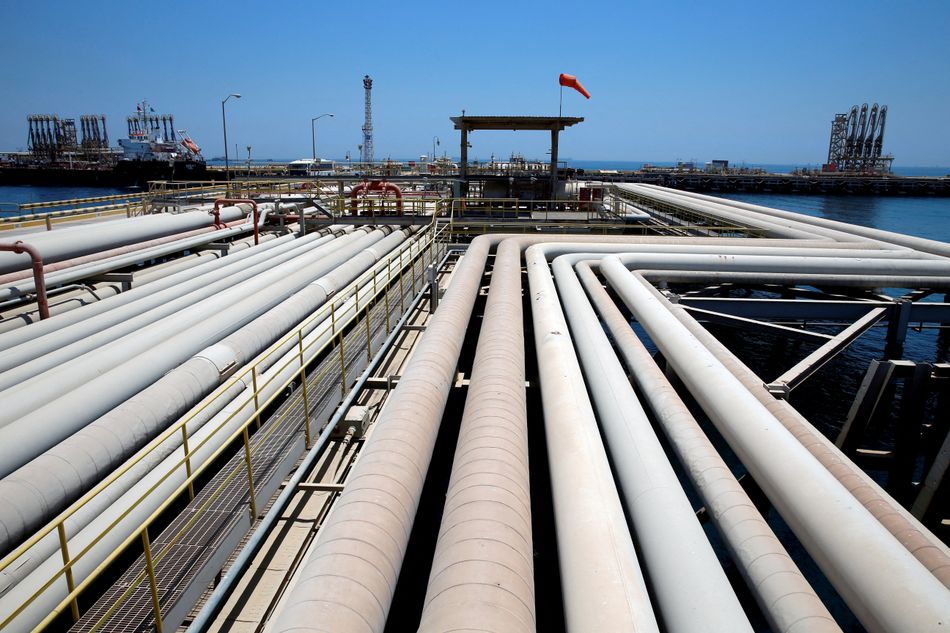

Yemen's Houthi military spokesperson Yahya Saree said on Saturday the group successfully struck sites belonging to Saudi Aramco in Jazan and Yanbu, as the war in the Gulf that has disrupted global supplies extended to a second front. In a separate maritime incident, Yemen's Houthi movement targeted a Saudi oil tanker, the NCC Ghazal, in the Red Sea with ballistic missiles, forcing the vessel to turn back after it allegedly ignored warnings regarding a blockade on the kingdom's ports.
The refinery shutdown coincided with broader market reactions, where international oil benchmarks fell to one-week lows amid cautious optimism over potential diplomatic solutions. Brent futures fell $1.66, or 1.9%, to $86.70 a barrel at 10:15 a.m. EDT (1415 GMT), while U.S. West Texas Intermediate (WTI) crude fell $1.39, or 1.7%, to $81.22. Oman has presented Iran with a plan backed by Gulf states to manage the Strait of Hormuz, including collecting voluntary fees for using it, a Gulf source and a Western diplomat told Reuters on Tuesday.
Diplomatic maneuvers continue on multiple fronts as international leaders grapple with the widening conflict. U.S. President Donald Trump and Israeli Prime Minister Benjamin Netanyahu met in Washington to coordinate policies regarding Iran, even as Washington temporarily paused its military air campaign and weighed economic pressure tactics. Meanwhile, regional foreign ministers from Jordan and Qatar emphasized the need for diplomacy to restore stability, and Iranian officials engaged in separate talks with international counterparts regarding maritime security.
What to Watch Next
- Target date for Saudi Aramco to complete repairs and restart the Jizan refinery is set for August 15.
- Weekly storage reports from the American Petroleum Institute and the U.S. Energy Information Administration are expected to provide further clarity on inventory draws.
- Ongoing diplomatic talks mediated by Oman regarding the reopening and administration of the Strait of Hormuz.
- Potential OPEC+ decisions on output quotas following expected pauses to gradual production hikes after September.
For broader context on regional security developments, see World coverage.
How significant is this development?
Contribute your assessment to the aggregated reader sentiment ledger.
Frequently Asked Questions
Key questions answered in this reportWhat is the key development in: Saudi Aramco shuts Jazan oil refinery following militant attack?
Saudi Aramco shut down its 400,000 barrel-per-day Jizan oil refinery following a militant strike by Yemen's Houthi forces, adding pressure to the global fuel market.
Why is this World development significant for the UK?
This report covers critical events in our World beat. Independent reporting monitors related UK statements, regulatory shifts, and public responses as further verified details emerge.
How was this reporting corroborated and verified?
Newsarchy UK compiles and cross-references reporting from primary reporting from dunyanews.tv and cross-checked wire reports. All coverage adheres to published editorial standards.
When was this report published?
This briefing was published on July 29, 2026 and is permanently cataloged in the Newsarchy UK World archives.