EU approves €125.8M for three cross-border renewable energy projects
The European Commission has approved €125.81 million in grants to finance three cross-border renewable energy projects spanning Germany, Poland, Latvia, and Lithuania.
- Core Development: The European Commission has approved €125.81 million in grants to finance three cross-border renewable energy projects spanning Germany, Poland, Latvia, and Lithuania.
- Beat Context: Categorized under Transport with independent corroboration.
- Reporting Depth: 3 minute analytical read synthesized from verified newsroom sources.
The European Commission has approved grants totaling €125.81 million to finance works on three cross-border renewable energy projects, according to a statement from the European Commission. The funding is allocated through the Connecting Europe Facility (CEF) Energy under the EU budget. These investments aim to support energy infrastructure investment, advance the EU’s decarbonization goals, and strengthen energy integration among member states.
Two of the funded initiatives focus on cross-border district heating systems involving Germany and Poland. The largest individual grant, amounting to €70 million, was awarded to the UNITED HEAT project. This project aims to develop climate-neutral district heating systems in the twin cities of Görlitz, Germany, and Zgorzelec, Poland. The financial support will cover the final works phase, including the construction of a cross-border pipeline that enables physical heat exchange and system balancing between the two district heating networks, while integrating heat sources established under earlier development phases.
Media additions
A further €11.41 million has been designated for the TWIN HEAT project. This initiative seeks to decarbonize district heating in Słubice, Poland, while supporting the transition toward lower-carbon heating in Frankfurt (Oder), Germany. Specifically, the funding will replace existing coal-fired heating units in Słubice with two biomass boilers, each possessing a thermal capacity of 6 megawatts, utilizing sustainably sourced wood chips.
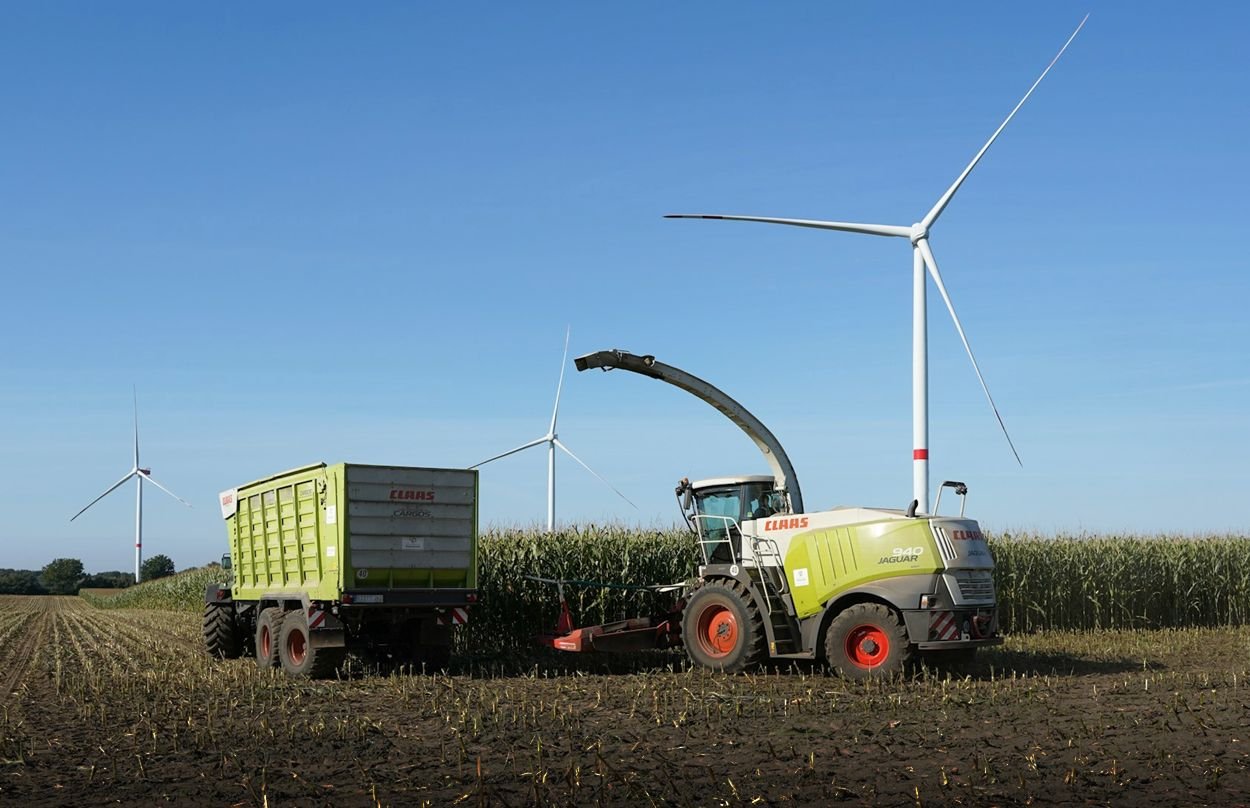
The third initiative, known as the UELJO project, was allocated €44.40 million for its first development phase. This cross-border onshore wind farm is situated near the Latvia-Lithuania border. It comprises approximately 30 wind turbines designed to generate up to 680 gigawatt-hours of renewable electricity annually, thereby integrating more renewables into the Baltic electricity system. This grant will support works in Latvia, including the construction of balance-of-plant infrastructure, grid connection works, and the installation of wind turbines.
| Project Name | Countries Involved | Grant Amount | Core Infrastructure & Objectives |
|---|---|---|---|
| UNITED HEAT | Germany / Poland | €70 million | Final works phase including a cross-border pipeline for heat exchange and system balancing between Görlitz and Zgorzelec. |
| TWIN HEAT | Germany / Poland | €11.41 million | Replacement of coal-fired heating units with two 6 MW biomass boilers using wood chips in Słubice; decarbonization in Frankfurt (Oder). |
| UELJO | Latvia / Lithuania | €44.40 million | First implementation phase for an onshore wind farm with ~30 turbines generating up to 680 GWh annually, supporting Baltic grid integration. |
Qualifying for funding under the CEF Energy cross-border renewables window requires projects to hold specific Cross-Border Renewable Energy (CB RES) status. To achieve this status and benefit from funding, a project must fulfill the criteria set out in the CEF Regulation, which refers to the existence of a cooperation arrangement between EU countries, as well as the cost savings and potential overall net benefits that the project would provide. The European Commission previously granted CB RES status to the UELJO project in 2025, while UNITED HEAT received the designation earlier in 2022.
These investments reinforce the EU's regulatory framework governing energy and climate policy. The EU has progressively strengthened its renewable energy targets, building upon the 20% renewable energy target set for 2020. The revised Renewable Energy Directive adopted in 2018 established a binding EU-wide target of at least 32% by 2030, with the possibility of subsequent upward revision. Following the launch of the European Green Deal in 2019, the European Commission proposed raising the 2030 target to at least 40% of the EU's overall energy mix. The target was increased further under the REPowerEU plan, presented by the European Commission in May 2022 in response to the energy crisis following Russia’s invasion of Ukraine, which aimed to accelerate the clean energy transition, reduce dependence on Russian fossil fuels, and diversify energy supplies by proposing a 45% renewable energy target by 2030. The revised Renewable Energy Directive (EU) 2023/2413, which entered into force in November 2023, ultimately set a binding minimum target of 42.5% for renewables in the EU’s energy mix by 2030, while aiming for a 45% share.
The European Commission emphasizes that such projects enhance regional cooperation, improve energy security, and boost Europe's industrial competitiveness.
How significant is this development?
Contribute your assessment to the aggregated reader sentiment ledger.
Frequently Asked Questions
Key questions answered in this reportWhat is the key development in: EU approves €125.8M for three cross-border renewable energy projects?
The European Commission has approved €125.81 million in grants to finance three cross-border renewable energy projects spanning Germany, Poland, Latvia, and Lithuania.
Why is this Transport development significant for the UK?
This report covers critical events in our Transport beat. Independent reporting monitors related UK statements, regulatory shifts, and public responses as further verified details emerge.
How was this reporting corroborated and verified?
Newsarchy UK compiles and cross-references reporting from primary reporting from jen.jiji.com and cross-checked wire reports. All coverage adheres to published editorial standards.
When was this report published?
This briefing was published on September 18, 2026 and is permanently cataloged in the Newsarchy UK Transport archives.