25 states sue Trump administration over new Section 301 forced‑labor tariffs
Twenty-five U.S. states have filed a lawsuit at the Court of International Trade challenging the Trump administration's new forced-labor tariffs, arguing they are an illegal workaround to replace struck-down import taxes.

- Core Development: Twenty-five U.S. states have filed a lawsuit at the Court of International Trade challenging the Trump administration's new forced-labor tariffs, arguing they are an illegal workaround to replace struck-down import taxes.
- Beat Context: Categorized under World with independent corroboration.
- Reporting Depth: 4 minute analytical read synthesized from verified newsroom sources.
Twenty-five U.S. States have taken the Trump administration to the Court of International Trade, arguing that a new round of forced-labor duties ranging from 10% to 12.5% on goods from 60 trading partners is a back-door effort to replace import taxes that the Supreme Court struck down earlier in the year, according to court filings and statements from state officials. The coalition filed the lawsuit on Monday, seeking an immediate halt to the duties, a declaration of their illegality, and refunds for duties already collected.
The timing of the new measures forms a central pillar of the legal challenge. The duties took effect on July 24, which was the exact day a separate set of temporary 10 percent duties levied under Section 122 of the same 1974 trade statute expired. Those temporary duties had been enacted after the Supreme Court ruled that the International Emergency Economic Powers Act could not justify blanket import taxes, a decision that forced the administration to refund roughly $166 billion in collected duties. The states argue that the administration deliberately swapped one unlawful scheme for another, using Section 301 as a pretext to keep revenue flowing.
Media additions
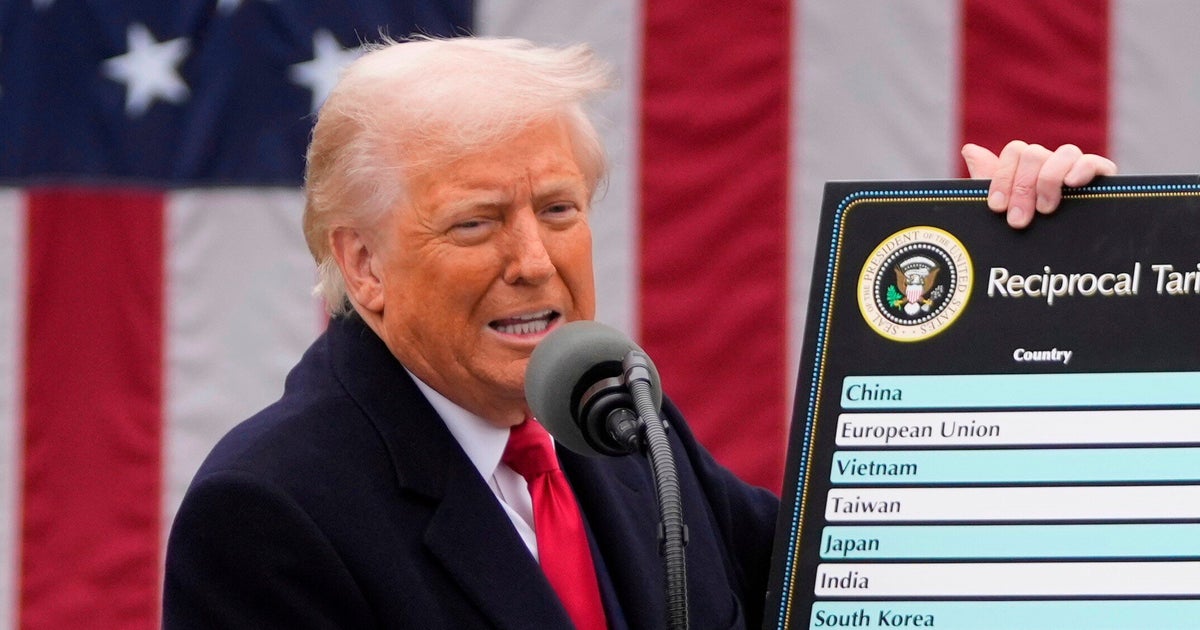

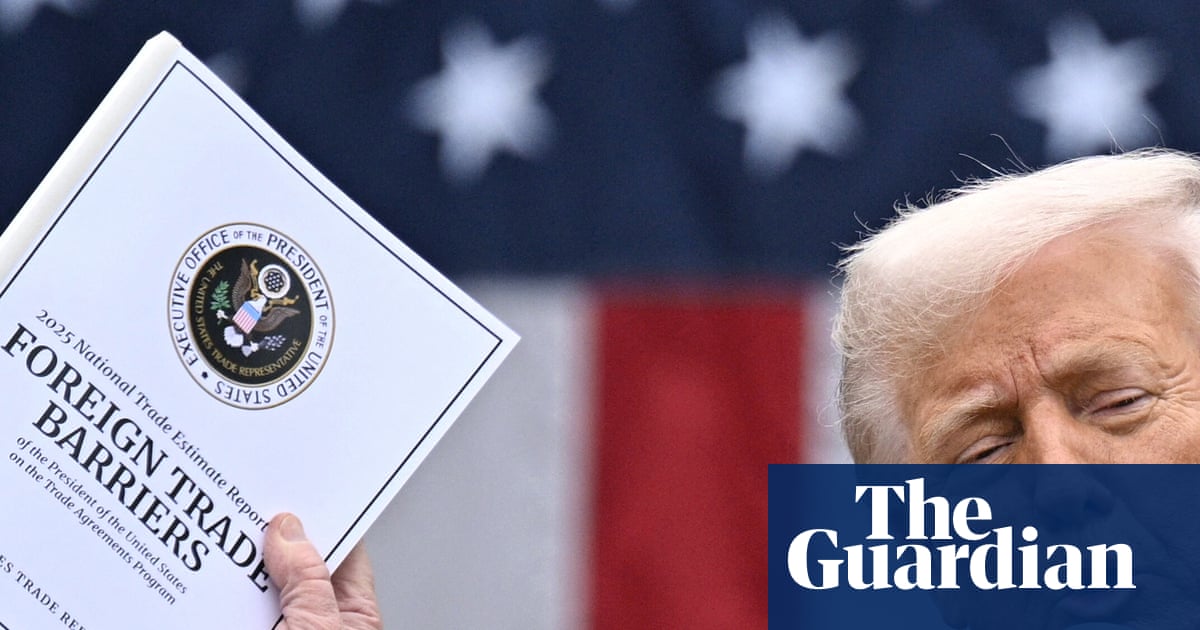
"After losing at the Supreme Court, the administration is once again trying to illegally raise taxes on families and businesses with a new round of tariffs."
Letitia James, New York Attorney General, via HuffPost
The lawsuit includes a broad coalition of states and state leaders. Alongside New York, the plaintiffs comprise the governors of Kentucky and Pennsylvania, as well as the attorneys general of Arizona, California, Colorado, Connecticut, Delaware, Hawaii, Illinois, Maine, Maryland, Massachusetts, Michigan, Minnesota, Nevada, New Jersey, New Mexico, North Carolina, Oregon, Rhode Island, Virginia, Vermont, Washington, and Wisconsin. Affected trading partners under the new Section 301 measures include Canada, Japan, Norway, Taiwan, and China.
What the states allege
- Section 301 tariffs exceed the bounds of congressional authority granted to the executive branch, according to the complaint.
- The duties are capricious and contrary to law because the administration cannot use forced labor as a pretext to continue an illegal tariff scheme.
- The tariffs have driven up costs for groceries, building materials, and small businesses, placing an undue financial burden on American families.
- The plaintiff states are demanding full refunds of duties already paid, alongside a judicial halt to the collection process.
In addition to the Supreme Court defeat over IEEPA duties, the legal landscape has featured other setbacks for the executive branch. A CIT ruling in May deemed Section 122 duties unlawful, though the administration secured a stay allowing collection to continue pending an appeal. Building on this precedent, the state attorneys general and governors argue in their complaint that the president has continuously acted without legal authority.
"This is President Trump’s third attempt to illegally impose tariffs that would make life more expensive for American families and small businesses, and this is the third time we’re taking the Administration to court over this misuse of power."
Rob Bonta, California Attorney General, via WWD
Arizona Attorney General Kris Mayes similarly criticized the administration's trade strategy, stating that Arizonans have paid the price while the administration recklessly presses ahead with unilateral tariffs.
Administration’s defence
White House officials firmly defended the legality of the new measures. Speaking via statements reported by outlets including Huffpost and The Irish Times, White House spokesman Kush Desai maintained that the actions fall well within established statutory powers.
"A foreign country’s failure to impose and effectively enforce a prohibition on the importation of goods produced with forced labor is unreasonable and burdens U.S. commerce, including American workers, and must be addressed. Section 301 tariffs have proven to be a legally durable tool since the President’s first term, and they remain so now."
Kush Desai, White House spokesman, via HuffPost
Desai emphasized that the United States is utilizing lawful authority to eliminate unreasonable acts, policies, and practices that burden domestic commerce.
Key dates and milestones
| Date | Event |
|---|---|
| February | Supreme Court strikes down IEEPA-based reciprocal tariffs, prompting approximately $166 billion in refunds. |
| May | Court of International Trade rules Section 122 duties unlawful, granting the administration a stay pending appeal. |
| July 24 | Section 122 temporary tariffs expire, and new Section 301 forced-labor duties ranging from 10% to 12.5% take effect. |
| Monday | Twenty-five states file a joint lawsuit in the Court of International Trade demanding a halt, a declaration of illegality, and refunds. |
Economic stakes and wider challenges
According to the states' legal filing, the 59 countries and the European Union targeted by the forced-labor tariffs account for 99.4% of all U.S. Imports. While the administration points to labor standards and supply chain integrity, critics argue that targeting nearly the entirety of American imports exposes the true underlying motive as revenue generation rather than targeted labor enforcement.
The state-led lawsuit is not the only legal hurdle facing the policy. In July, small businesses filed two separate lawsuits in the Court of International Trade. Those plaintiffs argue that the administration failed to adequately establish its case against each specific economy or explain how the tariffs would eliminate the specified practices, as required by Section 301.
As the legal battles unfold in the Court of International Trade, the outcome threatens to redefine executive trade powers for the remainder of the presidential term. New York Governor Kathy Hochul underscored the stakes of the ongoing litigation, asserting that the judiciary has firmly established limits on executive overreach regarding sweeping import taxes.
How significant is this development?
Contribute your assessment to the aggregated reader sentiment ledger.
Frequently Asked Questions
Key questions answered in this reportWhat is the key development in: 25 states sue Trump administration over new Section 301 forced‑labor tariffs?
Twenty-five U.S. states have filed a lawsuit at the Court of International Trade challenging the Trump administration's new forced-labor tariffs, arguing they are an illegal workaround to replace struck-down import taxes.
Why is this World development significant for the UK?
This report covers critical events in our World beat. Independent reporting monitors related UK statements, regulatory shifts, and public responses as further verified details emerge.
How was this reporting corroborated and verified?
Newsarchy UK compiles and cross-references reporting from primary reporting from wwd.com and cross-checked wire reports. All coverage adheres to published editorial standards.
When was this report published?
This briefing was published on August 4, 2026 and is permanently cataloged in the Newsarchy UK World archives.