Iran-US war latest: Trump claims Strait of Hormuz is sort of open
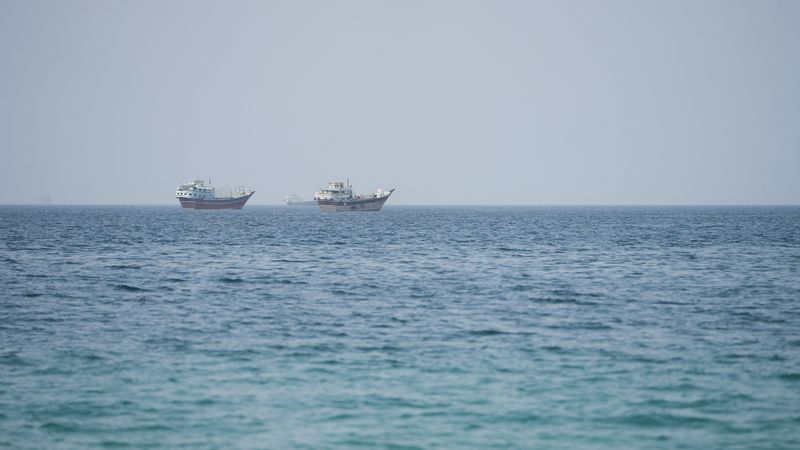
US President Donald Trump stated the Strait of Hormuz is sort of open under American naval protection, while maritime data shows sharp drops in vessel traffic.

- Core Development: US President Donald Trump stated the Strait of Hormuz is sort of open under American naval protection, while maritime data shows sharp drops in vessel traffic.
- Beat Context: Categorized under World with independent corroboration.
- Reporting Depth: 4 minute analytical read synthesized from verified newsroom sources.
The strategic gateway connecting the Persian Gulf to global oil markets remains choked by military blockades and hesitation as international shipping volumes plummet. Tensions across the Middle East have entered a precarious new phase, driven by shifting diplomatic maneuvers, maritime restrictions, and persistent energy vulnerabilities following the outbreak of the US-Israeli war on Friday, 28 February 2026. Maritime transport and energy infrastructure face severe strain as regional actors navigate a web of active naval patrols, diplomatic talks, and domestic infrastructure damage.
US President Donald Trump declared from the Oval Office that the critical shipping lane is sort of open
under the enforcement of American naval forces, while predicting that the conflict with Iran would conclude shortly because Tehran cannot sustain the pressure much longer, according to The Independent. Despite asserting that the passage is under US control, Trump acknowledged the enduring hazards that continue to deter commercial operators.
Media additions

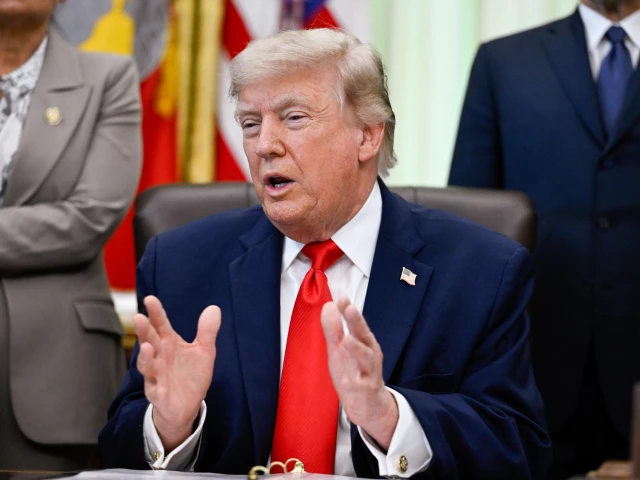
"They can always shoot something. They always have something, or drop a mine, and if you have one mine sitting out there, you sort of mess things up because people don't want to take their billion-dollar boats and accidentally get hit by a mine,"
Donald Trump, US President, via The Express Tribune
Maritime data underscores the president's caution. Vessel traffic through the crucial waterway dropped to thirty-three ships from Monday to Thursday, compared to fifty vessels during the same timeframe the previous week, according to tracking figures cited by Aol and Chronicle. Before the conflict began, typical weekly transit numbers hovered between one hundred thirty and one hundred forty ships. Kpler data recorded that just four vessels transited the strait on Thursday, including a very large crude carrier carrying about two million barrels of Basrah crude loaded in Iraq, alongside two liquefied petroleum gas carriers and a minor bulk carrier. Only six crude oil tankers exited the strait that week, while twenty-one vessels entered mostly via the Iranian route. Although Chinese and Indian refiners sought vessels to load crude at Iraq's Basrah Oil Terminal, attracted by discounts close to $30 a barrel offered by Iraq's state oil marketer SOMO, no vessels had been fixed because shipowners remained wary of entering the waterway.
Diplomatic efforts run parallel to the maritime impasse. Iran claimed a deal with Omani mediators to fully open shipping through the strait was in its final stages, which would grant Tehran control over ships entering the Gulf. However, industry sources told Reuters that the proposed agreement is not easily workable due to US sanctions and restrictive insurance clauses on payments. Russian President Vladimir Putin and United Arab Emirates President Mohamed bin Zayed Al Nahyan discussed the Gulf situation and the impasse over the Strait of Hormuz during a phone call.
Meanwhile, the diplomatic track has also faced sharp criticism from Iranian leadership. Mohammad Bagher Ghalibaf, Iran's parliament speaker and chief negotiator, slammed Washington's approach on social media, describing it as theatre diplomacy on loop
characterised by bullying tactics, broken promises, and fake news. Ghalibaf argued that using such methods as leverage is a failed strategy and urged Washington to acknowledge facts and fulfill commitments.
Domestic infrastructure inside Iran has simultaneously sustained heavy damage. Iranian President Masoud Pezeshkian stated that US and Israeli airstrikes damaged domestic power plants and disrupted nearly two hundred thirty million cubic meters of daily gas production. Pezeshkian noted that his administration had faced warnings that initial energy reserves would last only until November, but credited public cooperation, resource management, and reduced consumption by citizens with largely preventing widespread electricity blackouts. Pezeshkian also acknowledged that reduced oil exports caused by sanctions have limited foreign currency earnings and created economic difficulties, prompting Tehran to strengthen relations with neighboring countries.
Military escalations have rippled across the region in tandem with these economic pressures. A senior Saudi official warned on Thursday of anticipated coordinated attacks from northern and southern actors, specifically Iraqi militias and Yemen's Houthis, under the supervision of Iran's Islamic Revolutionary Guard Corps, targeting civilian and economic sites including energy infrastructure, ports, and airports. Those warnings materialized as separate Houthi missile and drone strikes targeted military positions and government camps in Yemen's central Marib and eastern Hadramawt governorates. The Joint Operations Command of the Yemeni Armed Forces reported that seventeen soldiers and officers were killed in the ballistic missile and drone barrage.
Amid these developments, the White House moved to counter reports concerning depleted munitions inventories. Following discussions with Defence Secretary Pete Hegseth during a Cabinet meeting where low stockpiles were discussed, administration officials insisted the Pentagon retains ample arsenals. White House press secretary Karoline Leavitt stated that the United States possesses massive amounts of ammunition, while Trump threatened lengthy prison sentences for unauthorized leaks regarding military readiness and weapons stockpiles.
What to watch next
- Ongoing diplomatic contacts and mediation efforts between Iran and Omani mediators regarding maritime coordination and the proposed Gulf shipping deal
- Commercial shipping responses, tanker transits, and insurance adjustments affecting traffic through regional waterways like the Strait of Hormuz and the Bab el-Mandeb strait
- Scheduled regional public holidays and administrative resumption dates, including the UAE federal government and private sector holiday observed on Friday, 28 August 2026, with official working hours resuming on Monday, 31 August 2026, as reported by Emirates 24/7
How significant is this development?
Contribute your assessment to the aggregated reader sentiment ledger.
Frequently Asked Questions
Key questions answered in this reportWhat is the key development in: Iran-US war latest: Trump claims Strait of Hormuz is sort of open?
US President Donald Trump stated the Strait of Hormuz is sort of open under American naval protection, while maritime data shows sharp drops in vessel traffic.
Why is this World development significant for the UK?
This report covers critical events in our World beat. Independent reporting monitors related UK statements, regulatory shifts, and public responses as further verified details emerge.
How was this reporting corroborated and verified?
Newsarchy UK compiles and cross-references reporting from primary reporting from tribune.com.pk and cross-checked wire reports. All coverage adheres to published editorial standards.
When was this report published?
This briefing was published on August 7, 2026 and is permanently cataloged in the Newsarchy UK World archives.