Trump moves to make $100,000 fee for H-1B worker visas permanent
The Department of Homeland Security posted a draft rule to permanently establish a six-figure fee for new H-1B visas, pressing ahead despite a federal judge's ruling.
- Core Development: The Department of Homeland Security posted a draft rule to permanently establish a six-figure fee for new H-1B visas, pressing ahead despite a federal judge's ruling.
- Beat Context: Categorized under World with independent corroboration.
- Reporting Depth: 3 minute analytical read synthesized from verified newsroom sources.
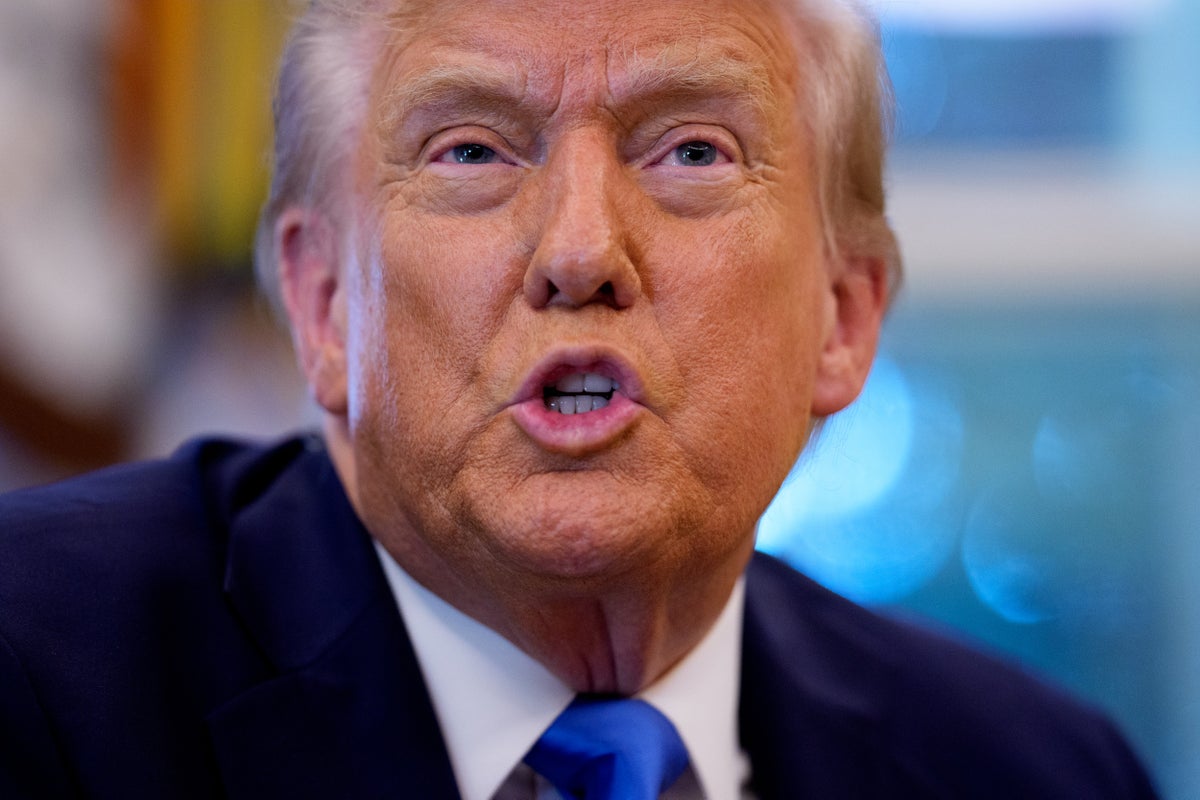
President Donald Trump’s administration has filed paperwork to make a six-figure fee for new H-1B visas permanent, pressing ahead despite a federal judge's ruling that the initial charge is unlawful, according to primary reporting from The Independent.
The U.S. Department of Homeland Security posted a draft rule in the Federal Register that would establish a $103,265 fee for new H-1B visa applications. The temporary $100,000 fee was first imposed last year via executive proclamation, dramatically driving up expenses for employers across the technology, education, and research sectors. Standard H-1B fees previously ranged between $2,000 and $5,000. Under the proposed rule, the formal regulatory framework aims to replace the expiring temporary measure before the end of the year, as detailed by The Korea Herald.
Media additions
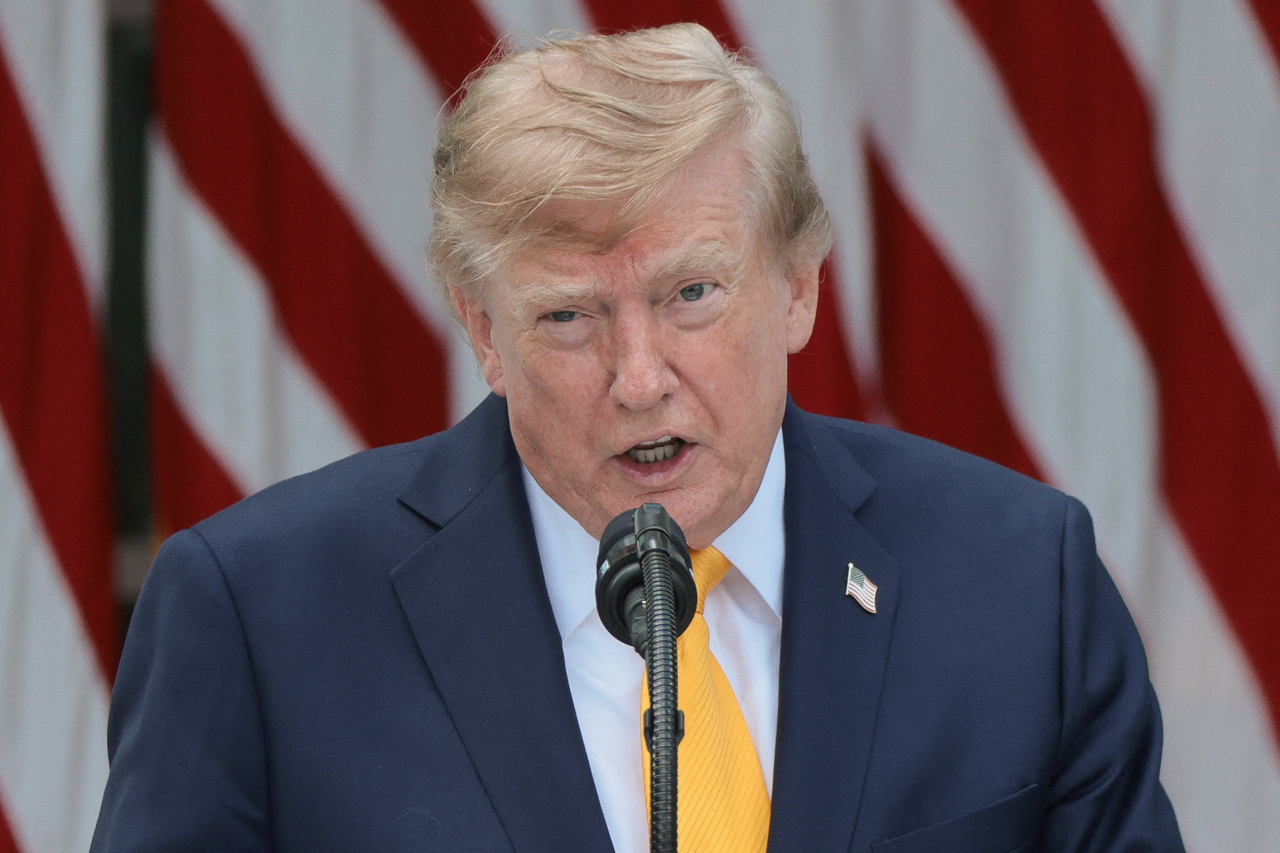
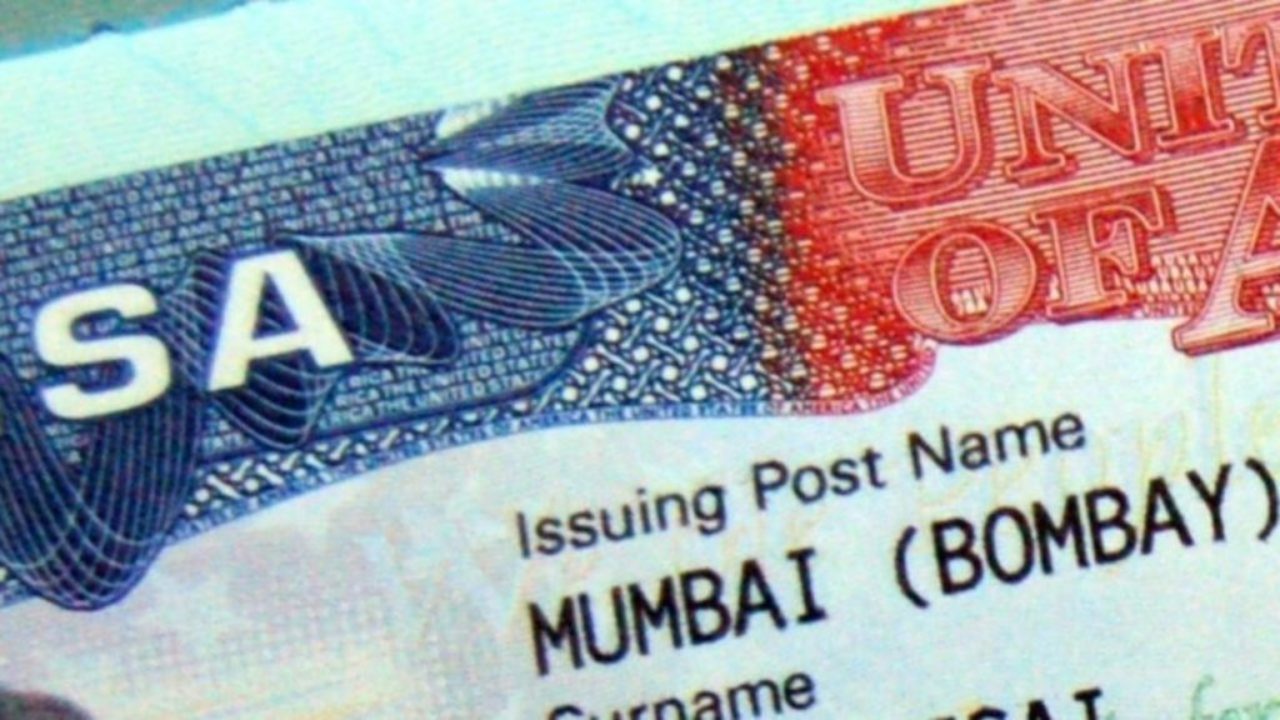
The H-1B non-immigrant program allows domestic employers to recruit foreign talent in specialized fields such as science, technology, engineering, and mathematics. The program offers 65,000 general visas annually, alongside another 20,000 visas for workers holding advanced degrees. According to Scroll, India has historically constituted the vast majority of beneficiaries, accounting for 71 percent of approved H-1B workers by country of origin, followed by China at 11.7 percent and South Korea at 1 percent.
The high-fee regime is expected to deal a significant blow to international professionals seeking employment in the United States, according to Trak. However, the proposal contains specific exemptions. The cost would not apply to foreign citizens already residing in the United States on student visas who represent a substantial share of new recipients, nor would it apply to routine visa renewals.
The administration argues that the initiative prevents companies from replacing American workers with cheaper foreign labor and encourages firms to train domestic talent. Conversely, business organizations and companies maintain that the program remains essential to addressing domestic skilled labor shortages. This disagreement has exposed internal fractures within the political landscape, pitting traditional movement supporters against tech-aligned figures who oppose the steep charges, as reported by The Korea Herald.
Legal opposition has been swift. A federal judge in Massachusetts declared the temporary fee illegal in June, ruling that the administration exceeded its executive authority and that the charge amounted to an unlawful tax levied without congressional approval. An appeals court in Boston is reviewing that decision while a separate court considers a challenge from the U.S. Chamber of Commerce, Democratic-led states, and a coalition of unions and employers. Litigants are expected to amend their filings to target the newly proposed permanent rule once finalized, as noted by The Independent.
The broader crackdown has already suppressed overall demand. According to U.S. Citizenship and Immigration Services data cited by The Independent, employers submitted roughly 344,000 H-1B registrations last year—down more than 25 percent from the previous year and less than half of the volume sought earlier. Court filings indicate that roughly 70 employers had paid the initial $100,000 fee on 85 visa applications as of late February.
Analysts suggest that the massive financial hurdle could lead to unintended consequences, such as increased offshore hiring. Rather than absorbing six-figure immigration costs to relocate specialists, multinational corporations may expand engineering and research teams in established international technology hubs like India. Smaller startups with limited cash reserves could face severe disadvantages in recruiting global talent compared to larger corporations capable of absorbing the fees.
What to watch next
- Public Comment Period: The Department of Homeland Security has opened a 30-day public comment period on the proposed regulatory framework.
- Final Rulemaking: The administration expects to finalize the formal rule by the end of the year, replacing the temporary executive proclamation.
- Legal Challenges: Federal appeals courts and district courts continue to review existing lawsuits, which litigants plan to expand against the newly codified fee structure.
- Broader Immigration Actions: Observers are also monitoring separate proposals from the administration, including potential restrictions on foreign university graduates and mass visa revocations for asylum applicants.
How significant is this development?
Contribute your assessment to the aggregated reader sentiment ledger.
Frequently Asked Questions
Key questions answered in this reportWhat is the key development in: Trump moves to make $100,000 fee for H-1B worker visas permanent?
The Department of Homeland Security posted a draft rule to permanently establish a six-figure fee for new H-1B visas, pressing ahead despite a federal judge's ruling.
Why is this World development significant for the UK?
This report covers critical events in our World beat. Independent reporting monitors related UK statements, regulatory shifts, and public responses as further verified details emerge.
How was this reporting corroborated and verified?
Newsarchy UK compiles and cross-references reporting from primary reporting from trak.in and cross-checked wire reports. All coverage adheres to published editorial standards.
When was this report published?
This briefing was published on August 25, 2026 and is permanently cataloged in the Newsarchy UK World archives.