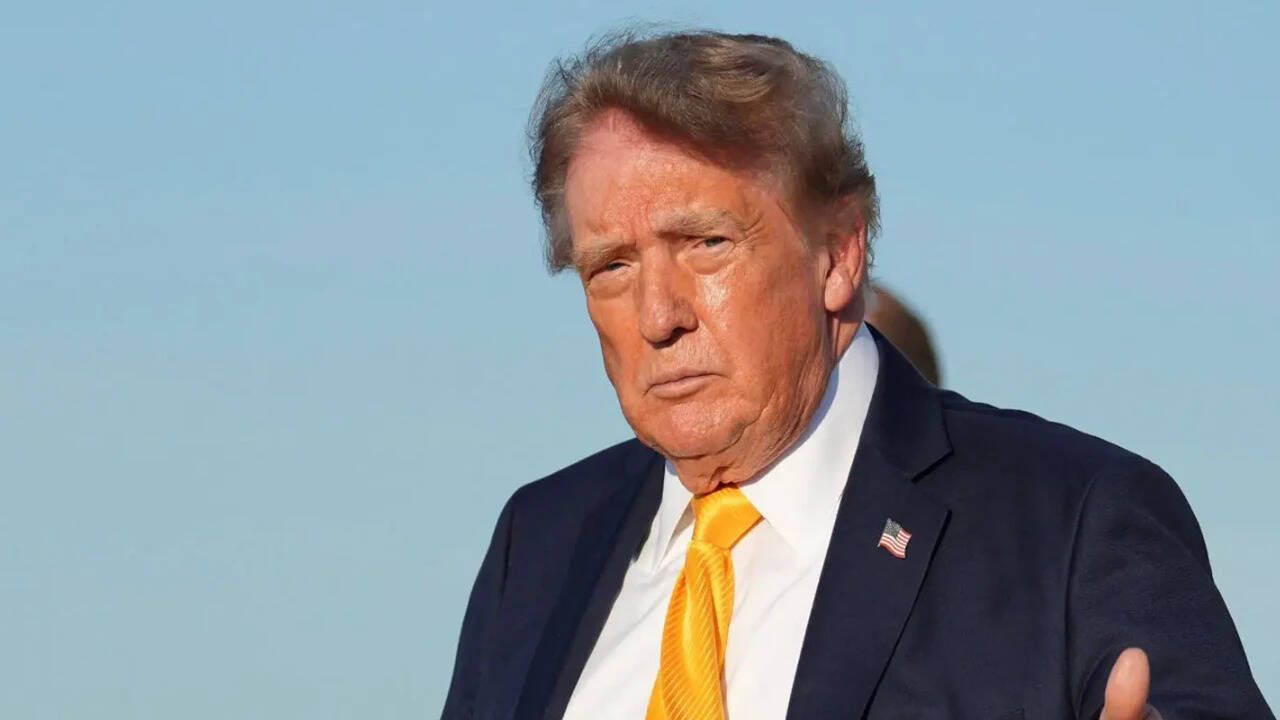
Trump says deal to reopen Strait of Hormuz could come soon
President Trump suggests a breakthrough to reopen the Strait of Hormuz is approaching, though conflicting reports persist regarding a temporary shipping corridor.

- Core Development: President Trump suggests a breakthrough to reopen the Strait of Hormuz is approaching, though conflicting reports persist regarding a temporary shipping corridor.
- Beat Context: Categorized under World with independent corroboration.
- Reporting Depth: 3 minute analytical read synthesized from verified newsroom sources.
Global energy markets and diplomatic channels shifted as President Trump stated that a deal to reopen the Strait of Hormuz could come soon, pointing to his personal involvement in ongoing negotiations. The critical waterway has operated under severe restrictions since the beginning of the U.S.-Israeli conflict, sending shockwaves through international trade and energy supplies.
Yet even as Washington expresses optimism, differing accounts from Tehran and regional mediators have exposed deep divisions over what any prospective agreement actually entails. While Turkish Foreign Minister Hakan Fidan stated that negotiations could conclude with good news, Iranian officials have consistently maintained that discussions with Oman concern technical transit arrangements rather than an immediate, full reopening of the strategic waterway. Fidan mentioned that a sixty-day period to allow oil shipments through was being discussed, which could lead to a permanent agreement between the two countries. Iranian Foreign Ministry spokesman Esmail Baghaei noted that the geographic coordinates for a shipping route had been agreed upon by Iran and Oman, adding that talks had been underway for three weeks.
Media additions
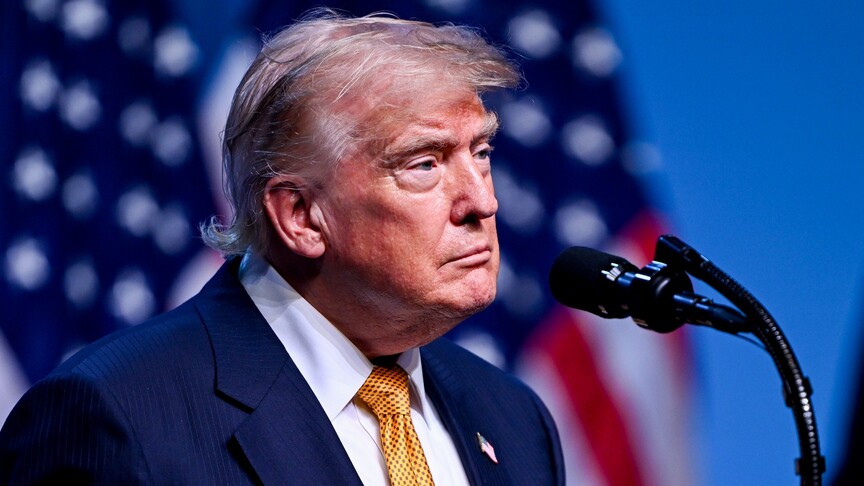

According to reports from Iranian state media, the framework being discussed with Oman involves establishing a temporary, narrow shipping path through the center of the strait. This proposed corridor would replace traditional traffic lanes running along coastal waters, requiring vessels to pass through a route jointly managed by Iran and Oman. Iranian Deputy Foreign Minister Kazem Gharibabadi described the framework as a new model distinct from decades of prior practice. Iranian state media indicated the temporary arrangement would operate for a duration of months while negotiations continue.
Complicating matters further, Iranian Parliament Speaker Mohammad Bagher Ghalibaf mocked U.S. Policy on social media, criticizing Washington's approach to diplomacy. Meanwhile, U.S. Officials flatly rejected any notion of toll collection or transit fees. A U.S. Official told reporters that temporary routes must remain free of impediments, approvals, tolls, or charges, reaffirming that the strait is an international waterway. Senior Iranian lawmaker Behnam Saeedi asserted that the talks are in no way about reopening the strait, stating that a reopening would only follow the end of U.S. Threats, the lifting of the blockade, the departure of U.S. Forces from the region, and the declaration of a ceasefire.
The diplomatic maneuvering unfolds against a backdrop of ongoing military tensions and regional friction. Broader security alignments are shifting across the region, highlighted by a defense agreement signed in Mecca by Saudi Arabia, Turkey, and Pakistan. According to Pakistan's foreign ministry, the agreement stipulates that any armed attack against one of the three states shall be regarded as an attack against them all, with the deal intended to strengthen collective deterrence. At the same time, U.S. Central Command confirmed that the U.S. Naval blockade has redirected dozens of vessels since its reinstatement, keeping traffic through the corridor severely constrained. Data from analytics firm Kpler showed that fewer than ten ships per day traveled through the waterway recently.
Analysts suggest that internal divisions within the Iranian government are driving the competing public statements. According to assessments from the Institute for the Study of War, pro-diplomacy politicians motivated by economic strain are clashing with hardliners who oppose making concessions to the United States. Tehran has repeatedly indicated that a permanent reopening of the strait remains conditioned on the lifting of naval blockades, the easing of energy sanctions, and the unfreezing of assets. Furthermore, the corridor would require mine-clearing operations and safety verifications before commercial vessels could safely traverse it.
What to Watch Next
- Potential release of a joint statement concerning the Iran-Oman transit arrangement.
- Further clarification from the White House regarding the scope and terms of the prospective maritime corridor.
- Developments concerning mine-clearing operations and safety verifications required before commercial vessels can safely traverse the proposed path.
- Ongoing broader security discussions and their impact on international energy markets.
As negotiations continue, international observers are monitoring whether the temporary corridor can be operationalized without triggering new confrontations in the Gulf.
How significant is this development?
Contribute your assessment to the aggregated reader sentiment ledger.
Frequently Asked Questions
Key questions answered in this reportWhat is the key development in: Trump says deal to reopen Strait of Hormuz could come soon?
President Trump suggests a breakthrough to reopen the Strait of Hormuz is approaching, though conflicting reports persist regarding a temporary shipping corridor.
Why is this World development significant for the UK?
This report covers critical events in our World beat. Independent reporting monitors related UK statements, regulatory shifts, and public responses as further verified details emerge.
How was this reporting corroborated and verified?
Newsarchy UK compiles and cross-references reporting from primary reporting from nypost.com and cross-checked wire reports. All coverage adheres to published editorial standards.
When was this report published?
This briefing was published on August 7, 2026 and is permanently cataloged in the Newsarchy UK World archives.