Trump vows retaliation as US launches 10th consecutive strike on Iran
The US has intensified its campaign against Iranian military assets following deadly attacks on service members. The conflict has expanded to include regional infrastructure damage and maritime disruptions.
- Core Development: The US has intensified its campaign against Iranian military assets following deadly attacks on service members. The conflict has expanded to include regional infrastructure damage and maritime disruptions.
- Beat Context: Categorized under World with independent corroboration.
- Reporting Depth: 3 minute analytical read synthesized from verified newsroom sources.
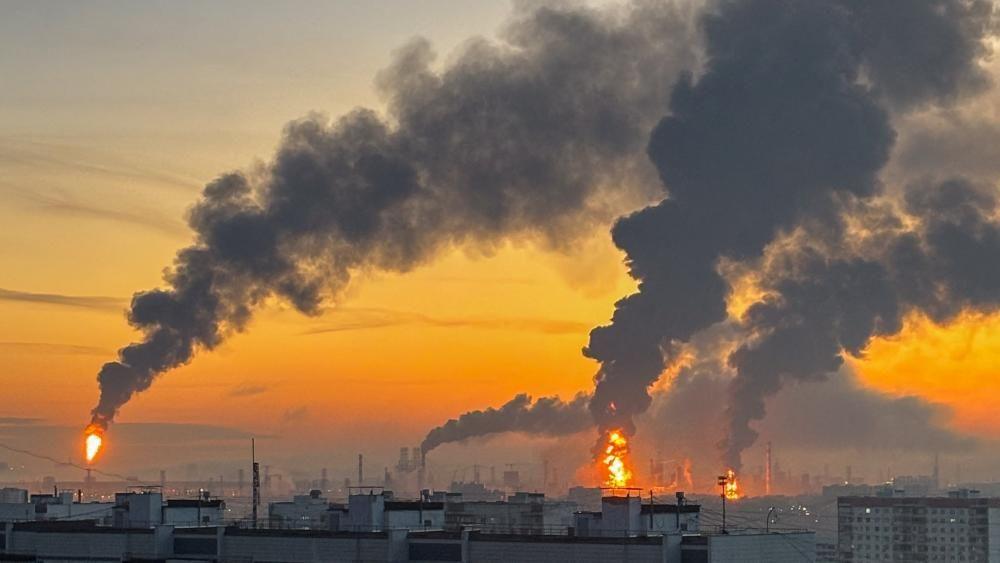
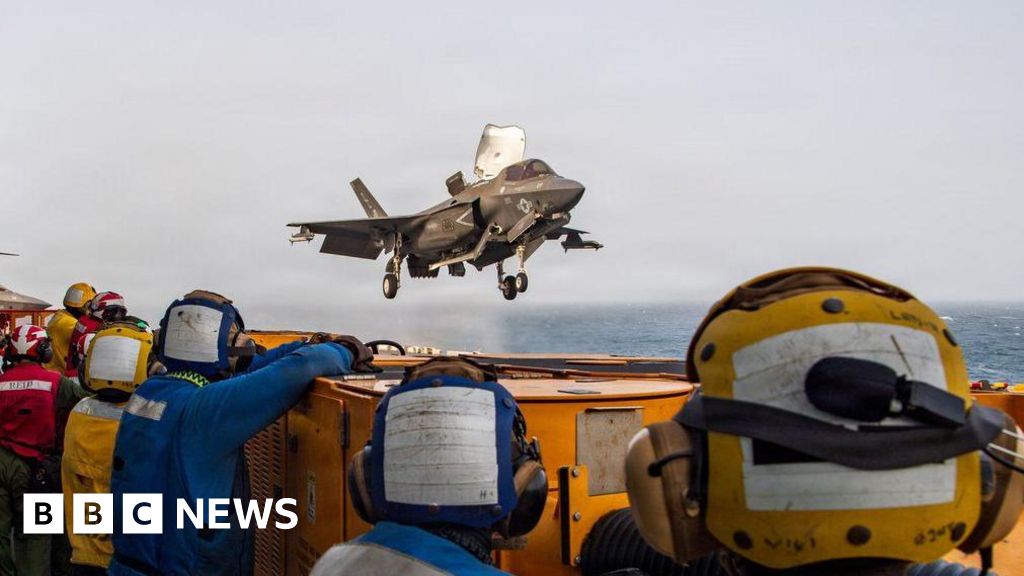
The United States military has completed its 10th consecutive night of airstrikes against Iran, marking a significant intensification of hostilities that began on February 28, 2026. This sustained campaign aims to degrade Iranian military infrastructure, including command centers, maritime capabilities, missile and drone launch sites, and air defense systems, according to US Central Command. The latest escalation follows a volatile weekend that resulted in further American casualties, prompting President Donald Trump to issue a warning regarding the consequences of attacks on US personnel.
On his Truth Social platform, President Trump stated:
Media additions
"Every time Iran kills an American Soldier they will pay for that killing many times over!"
Donald Trump, President, via Truth Social
The Department of Defense confirmed the identities of two service members killed during a weekend attack on the Muwaffaq Salti base in Jordan: 1st Lieutenant Tyler James Feehan, 25, of Hawaii, and Private Isabella Gonzales, 19, of Texas. Central Command reported that a third service member remains missing, with unidentified remains recovered from the site currently undergoing examination. Additionally, a US service member was killed in northern Iraq on Saturday during a controlled detonation of unexploded ordnance from a downed Iranian drone. These incidents bring the total number of American military fatalities in the conflict to 17.
The conflict has expanded across the Gulf, with Iranian state media and the Islamic Revolutionary Guard Corps reporting retaliatory strikes against US military assets in Bahrain and Kuwait, including radar systems and Patriot air defense installations. In Kuwait, the military reported that its air defenses intercepted incoming missiles and drones. Meanwhile, Jordanian forces reported shooting down three Iranian missiles. Regional infrastructure has also come under fire; Kuwait reported that a desalination plant was struck for the second consecutive day, raising concerns regarding water and resource security.
Maritime tensions in the Strait of Hormuz have escalated, with significant disruptions to global energy supplies. The United Kingdom Maritime Trade Operations (UKMTO) confirmed that a tanker was struck by an unknown projectile near the coast of Oman, forcing the crew to abandon the vessel. While Iran’s Islamic Revolutionary Guard Corps claimed responsibility for attacks on two oil tankers in the region, US Central Command has disputed these accounts. The conflict has triggered rising economic concerns, with international oil prices exceeding $US90 a barrel and US petrol prices climbing above $US4 a gallon.
The broader impact of the war continues to manifest in civilian life and infrastructure damage. According to reports from the region, explosions were heard in several Iranian locations, including Tabriz, Chabahar, Konarak, Bandar Mahshahr, and Bandar Imam Khomeini, as well as near the Bushehr nuclear power plant. Iranian state-run media, IRNA, reported at least one death in the vicinity of Tabriz. As the situation evolves, Iran-backed rebels in Yemen have signaled intentions to block shipping routes in the Red Sea, threatening an alternative export path for Saudi Arabia and potentially creating a secondary front in the conflict.
Diplomatic efforts remain strained. Although an interim ceasefire established last month has collapsed, both Washington and Tehran continue to communicate through intermediaries. Pakistan has intensified its mediation efforts to attempt to resuscitate the agreement, though both sides have continued to characterize the situation as a serious confrontation, with Iranian President Masoud Pezeshkian describing the situation as a full-scale war
. US Secretary of State Marco Rubio affirmed that while the US would continue targeting Iranian threats to international shipping, the door for a diplomatic solution remains open.
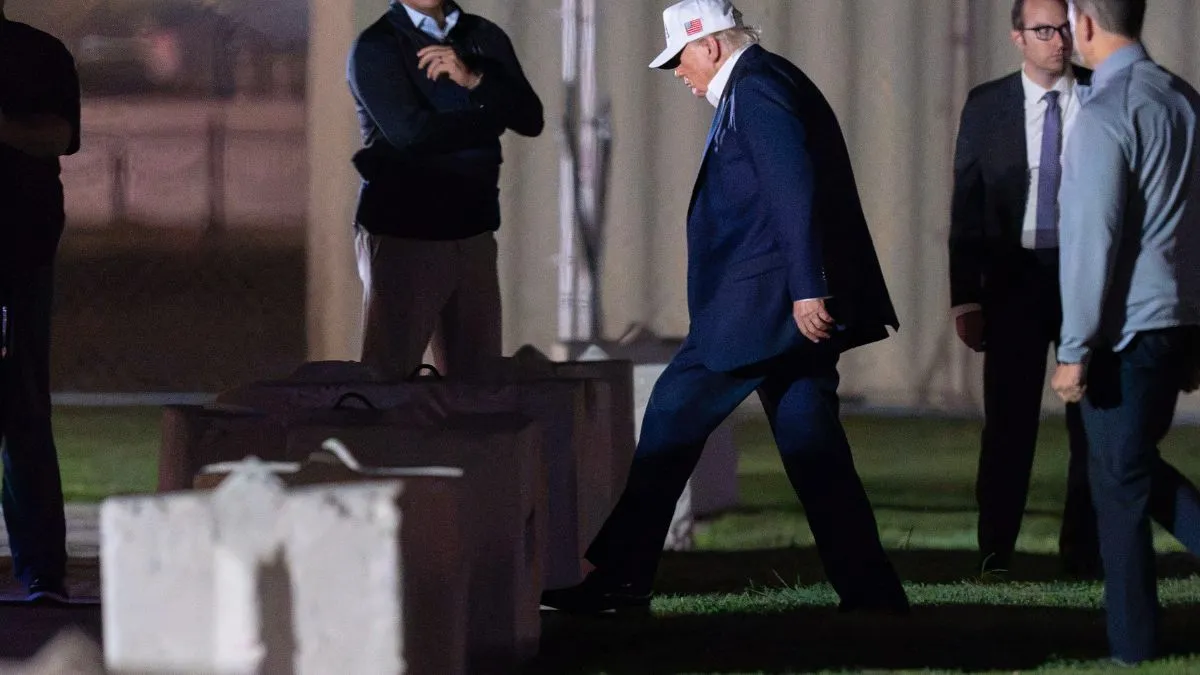
President Trump is expected to attend a ceremony at Dover Air Force Base to mark the arrival of fallen service members.
How significant is this development?
Contribute your assessment to the aggregated reader sentiment ledger.
Frequently Asked Questions
Key questions answered in this reportWhat is the key development in: Trump vows retaliation as US launches 10th consecutive strike on Iran?
The US has intensified its campaign against Iranian military assets following deadly attacks on service members. The conflict has expanded to include regional infrastructure damage and maritime disruptions.
Why is this World development significant for the UK?
This report covers critical events in our World beat. Independent reporting monitors related UK statements, regulatory shifts, and public responses as further verified details emerge.
How was this reporting corroborated and verified?
Newsarchy UK compiles and cross-references reporting from primary reporting from abc.net.au and cross-checked wire reports. All coverage adheres to published editorial standards.
When was this report published?
This briefing was published on July 21, 2026 and is permanently cataloged in the Newsarchy UK World archives.