Trump, Xi and Putin hold rare 3-way talks on nuclear risks
Leaders from the U.S., China, and Russia convened for an unprecedented trilateral summit in Shenzhen to address nuclear risks and international security.
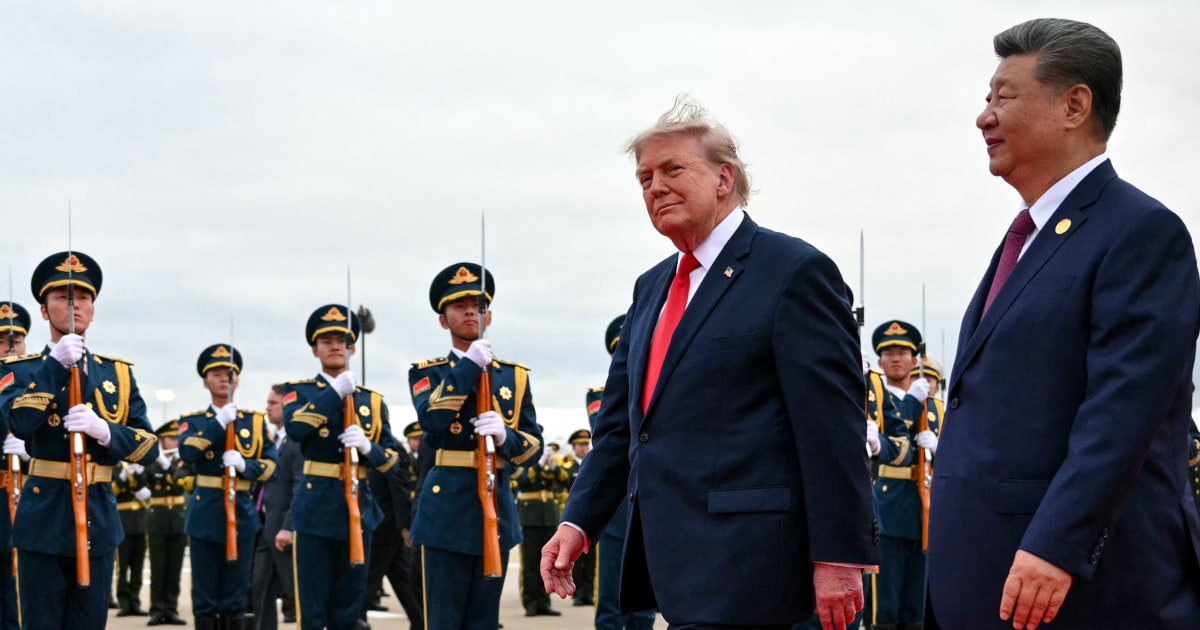
The leaders of the United States, China and Russia held an unprecedented trilateral meeting on Thursday, November 19, 2026, raising critical questions about future strategic stability.
President Donald Trump, Chinese President Xi Jinping and Russian President Vladimir Putin gathered behind closed doors at a villa in the Chinese tech hub of Shenzhen on the sidelines of the Asia-Pacific Economic Cooperation summit. The unprecedented trilateral gathering brought together the heads of the world's three major nuclear powers to address nuclear risks, regional conflicts, and international governance structures.
Media additions


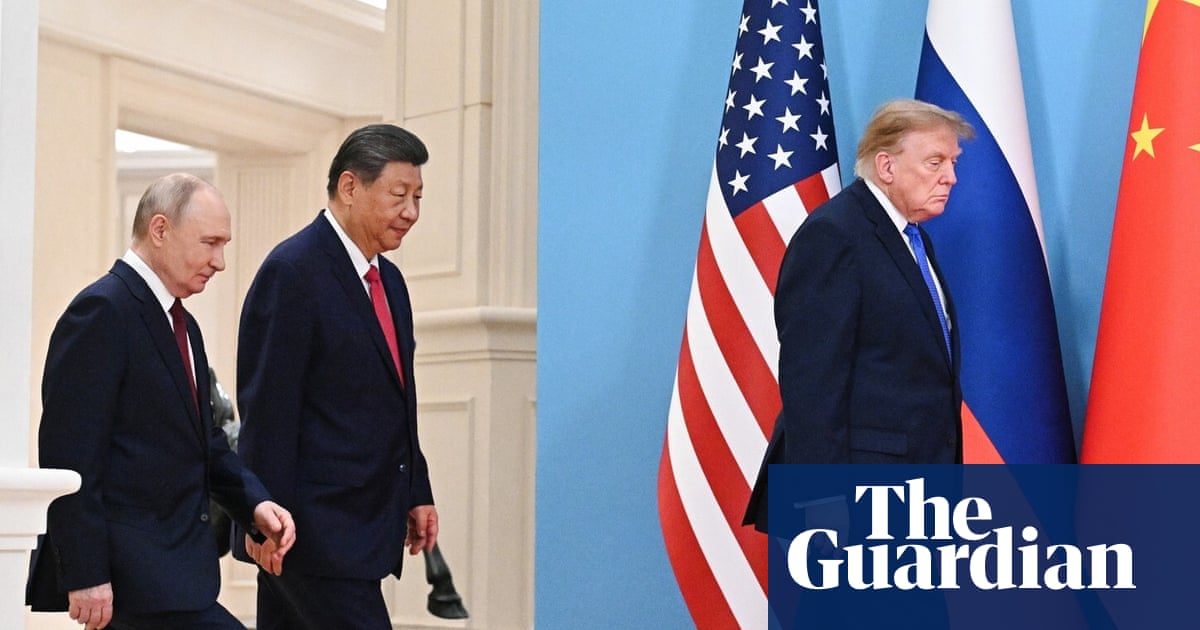
Before entering the talks, Trump told his counterparts that the nations were really making history
as powers uniquely positioned to reduce nuclear stockpiles, according to The Guardian. Xi opened the session by calling nuclear weapons a sword of Damocles
hanging over humanity, while Putin emphasized that the three nations shared a joint responsibility for maintaining international peace and security.
Despite the high-level rhetoric, the meeting concluded without concrete agreements on arms control or a timetable for disarmament. The last bilateral nuclear arms pact between Washington and Moscow, known as New START, expired in February. Trump has pushed for a modernized agreement that includes China, but Beijing has resisted given the disparity in warhead numbers. According to Stockholm International Peace Research Institute estimates cited by Yahoo News, Russia holds 5,420 nuclear warheads and the United States possesses 5,042, whereas China maintains roughly 620.
Following the closed-door discussions, identical statements released by Chinese and Russian state media outlined a four-point Joint Declaration of Peace. According to NBC News, U.S. Officials did not immediately release a matching version of the text. The declaration pledged promoting reform
at the United Nations, increasing the production and supply of refined petroleum products, warning the International Criminal Court and similar bodies not to abuse their jurisdiction while respecting official immunity, and engaging in dialogue to reduce nuclear risks.
| Country | Estimated Nuclear Warheads | Key Stance at Summit |
|---|---|---|
| Russia | 5,420 | Emphasized shared global responsibility; highlighted Ukraine and energy ties. |
| United States | 5,042 | Pushed for nuclear proliferation talks; criticized the International Criminal Court. |
| China | ~620 | Called for complete elimination of nuclear weapons; hosted the historic summit. |
The summit also touched on ongoing geopolitical flashpoints, though outcomes varied by issue. Ukrainian President Volodymyr Zelenskyy expressed strong frustration at being excluded from negotiations concerning his country, telling NBC News that leaving Kyiv out was a huge mistake.
Putin told a post-summit news conference that the issue remained primarily on the Ukrainian side and that compromise was required, adding that no dates had been set to continue dialogue on European security.
Tensions also surfaced around press access. Chinese security officials blocked a Bloomberg reporter from entering the trilateral meeting after she shouted a question during an earlier bilateral session. Despite White House advocacy on behalf of the journalist, Beijing officials refused to alter their decision, informing pool reporters that yelling questions is viewed as extremely rude.
Reactions to the summit reflected deep international divisions. Meanwhile, analysts interviewed across the coverage pack noted that while the meeting established an unprecedented communication channel between major nuclear adversaries, it ultimately delivered diplomatic platitudes rather than binding disarmament commitments.
What to watch next
- Future bilateral and trilateral diplomatic follow-ups regarding nuclear risk-reduction talks without established calendar dates.
- Developments surrounding U.S.-China trade working groups and agricultural consultations following economic consultations in Shenzhen.
For ongoing updates on international diplomacy, visit our dedicated World coverage section.


