Turkey Confirms Key Detail About Makkah Defense Agreement
Turkish Foreign Minister Hakan Fidan confirmed that the new trilateral defense pact between Turkiye, Pakistan, and Saudi Arabia functions under a collective security model mirroring NATO's Article 5.

- Core Development: Turkish Foreign Minister Hakan Fidan confirmed that the new trilateral defense pact between Turkiye, Pakistan, and Saudi Arabia functions under a collective security model mirroring NATO's Article 5.
- Beat Context: Categorized under World with independent corroboration.
- Reporting Depth: 3 minute analytical read synthesized from verified newsroom sources.
A landmark defense agreement signed in Mecca continues to draw regional focus as Turkish officials confirm technical details about the pact's structure and operational scope, according to reporting by Propakistani. The development arrives amidst wider West Asian security realignments, as detailed in ongoing CNBC-TV18 coverage.
Turkish Foreign Minister Hakan Fidan confirmed that the newly minted mutual defense pact between Turkiye, Pakistan, and Saudi Arabia functions technically in the same manner as the collective defense arrangement outlined in NATO’s Article 5. Fidan emphasized that the accord is purely defensive, stating that it establishes a general commitment to support each other's security while explicitly not targeting Iran or any other nation.
Media additions
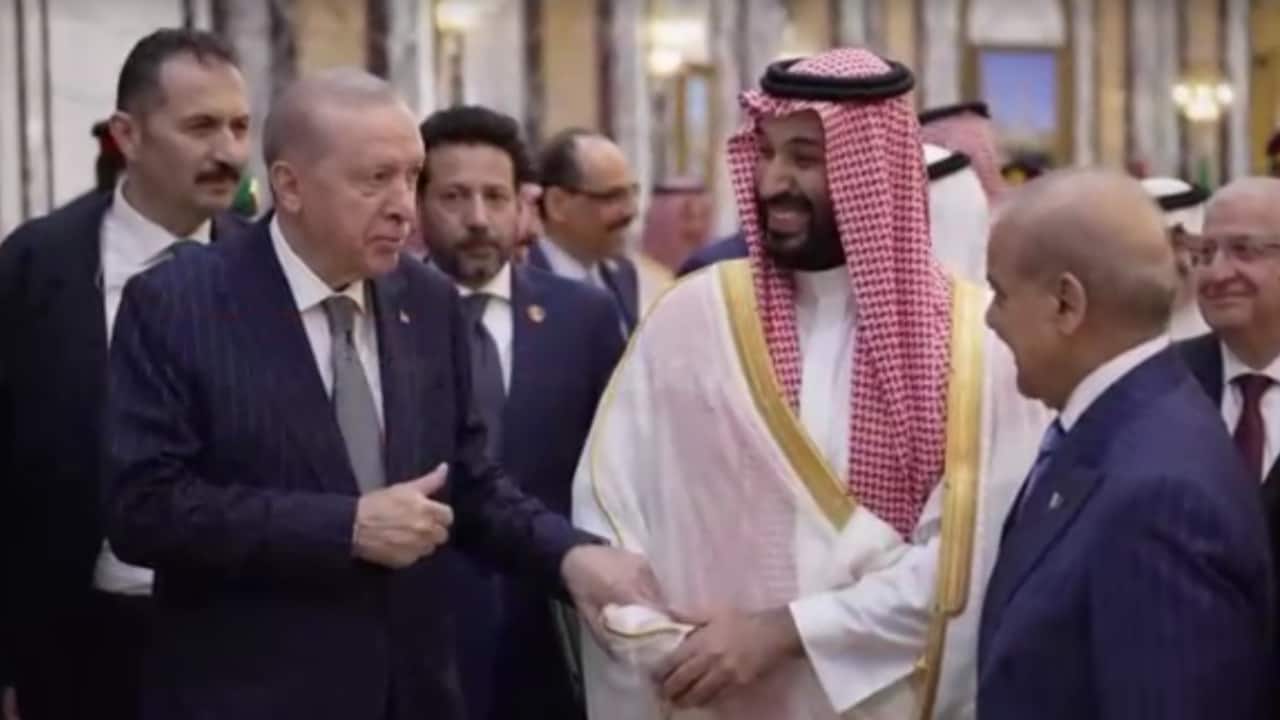
Negotiations to finalize the arrangement spanned a lengthy preparation period. According to ProPakistani, Turkiye, Pakistan, and Saudi Arabia worked for two years and eight months to finalize the agreement. Under the terms of the accord, any armed attack against a member state will be regarded as an attack on all participants, reinforcing collective deterrence and joint responses to regional aggression. The pact also reaffirms the right of defense as defined in Article 51 of the UN Charter, according to statements from Turkish President Recep Tayyip Erdogan.
Structure and Future Expansion
The signatories intend to establish institutional mechanisms modeled after established international alliances. Fidan outlined plans to create a ministerial committee similar to NATO’s structure, alongside a general secretariat to be based in Saudi Arabia. Operational arrangements and specific protocols will be determined during the committee's inaugural meeting.
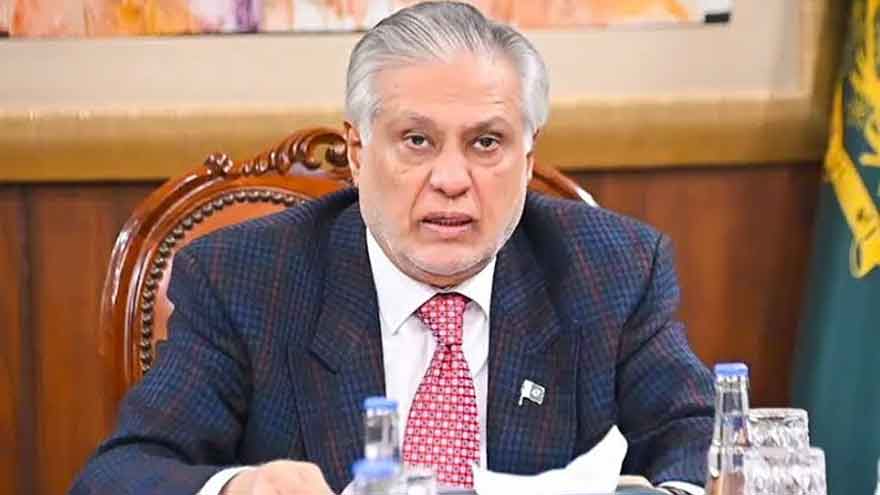
At the same time, regional leaders have signaled an openness to enlargement. Pakistani Deputy Prime Minister and Foreign Minister Ishaq Dar stated that the defense agreement remains open to other regional countries willing to uphold its core principles, as reported by Dunya News. Turkish leadership has similarly voiced ambitions to broaden the coalition beyond its three founding members, identifying Egypt as a primary candidate for future accession once outstanding technical matters are resolved. President Erdogan noted that the alliance targets no country and remains open to the participation of all brotherly countries that aim for the peace, prosperity, and stability of the region.
The defense pact builds upon prior diplomatic groupings formed to address regional crises. In recent months, Turkiye, Saudi Arabia, Pakistan, and Egypt formed a group dubbed the R4 to address regional issues, namely the war on Iran. Turkiye has stated that this group aims to solidify its partnership through concrete mechanisms.
Key Elements of the Makkah Defense Pact
- Collective Security: Stipulates that an armed attack against any member state is treated as an attack against all three, functioning technically similar to NATO's Article 5.
- Institutional Framework: Establishes a ministerial committee similar to NATO's structure and a general secretariat headquartered in Saudi Arabia.
- Regional Openness: Designed to be inclusive of other regional partners willing to uphold its core principles, with Egypt eyed for potential future membership.
- Consultative Process: Allied nations will consult to determine the appropriate nature, scope, and format of assistance if a member faces aggression.
Concurrent security pressures continue to shape the backdrop of these diplomatic moves. Maritime security in the Red Sea and the Strait of Hormuz remains volatile following recent attacks on commercial shipping and energy infrastructure. Fidan argued that Turkiye should participate in any international coalitions formed to protect Red Sea shipping lanes from Houthi strikes, maintaining that maritime safety directly impacts Turkish national interests.
What happens next depends heavily on the upcoming meetings of the newly announced ministerial committee. Observers will be watching to see how the operational procedures of the alliance are defined during its first committee meeting, whether formal talks begin regarding Egyptian accession, and how external powers respond to this significant realignment in global and regional affairs.
How significant is this development?
Contribute your assessment to the aggregated reader sentiment ledger.
Frequently Asked Questions
Key questions answered in this reportWhat is the key development in: Turkey Confirms Key Detail About Makkah Defense Agreement?
Turkish Foreign Minister Hakan Fidan confirmed that the new trilateral defense pact between Turkiye, Pakistan, and Saudi Arabia functions under a collective security model mirroring NATO's Article 5.
Why is this World development significant for the UK?
This report covers critical events in our World beat. Independent reporting monitors related UK statements, regulatory shifts, and public responses as further verified details emerge.
How was this reporting corroborated and verified?
Newsarchy UK compiles and cross-references reporting from primary reporting from cnbctv18.com and cross-checked wire reports. All coverage adheres to published editorial standards.
When was this report published?
This briefing was published on August 9, 2026 and is permanently cataloged in the Newsarchy UK World archives.