OBR Warns Grim Picture for UK Living Standards as Disposable Incomes Fall 0.6%
The Office for Budget Responsibility has issued a grim outlook for UK living standards as real disposable incomes are projected to fall by 0.6% next year following energy price shocks.
- Core Development: The Office for Budget Responsibility has issued a grim outlook for UK living standards as real disposable incomes are projected to fall by 0.6% next year following energy price shocks.
- Beat Context: Categorized under Cost of Living with independent corroboration.
- Reporting Depth: 4 minute analytical read synthesized from verified newsroom sources.
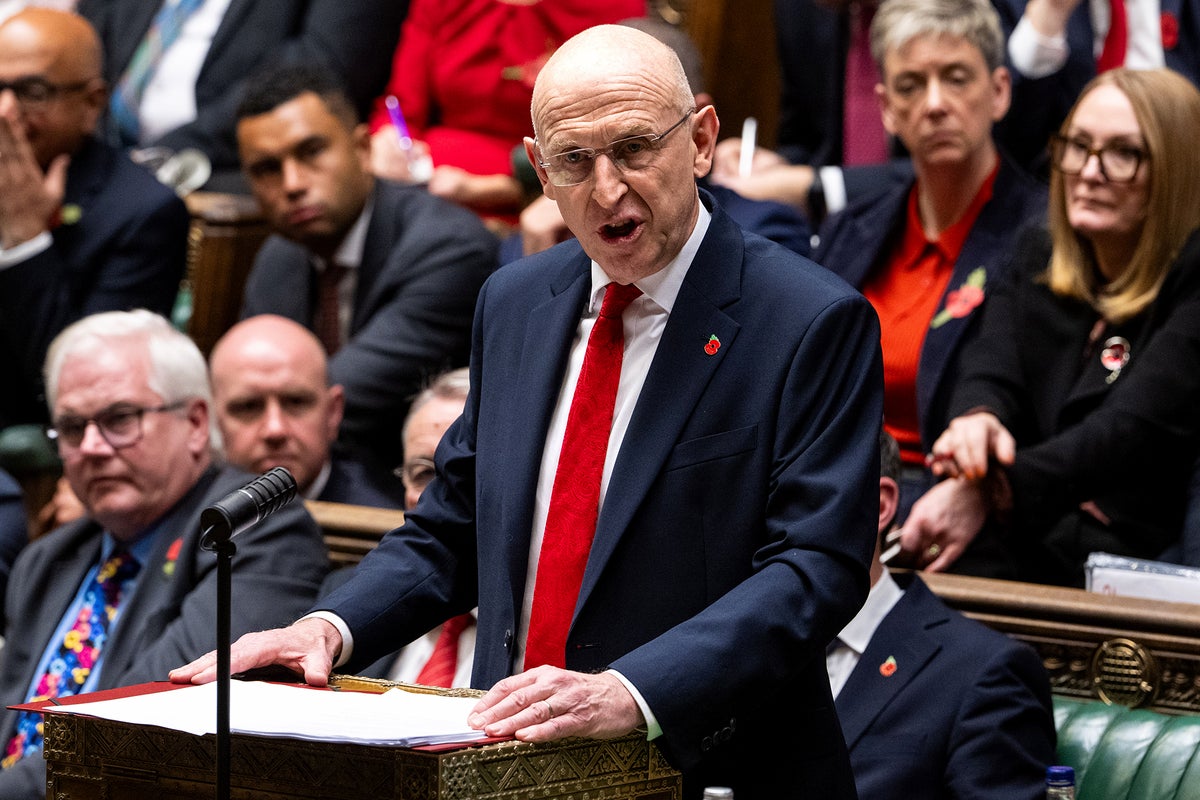
British households face a challenging economic outlook as real household disposable incomes are projected to fall by 0.6% next year, according to independent forecasts published on Friday, 30 October 2026. The Office for Budget Responsibility warned of a "pretty grim picture" for living standards, driven primarily by an energy price shock and broader economic pressures stemming from conflict in the Middle East. The downbeat assessment accompanies the first budget delivered by Chancellor John Healey, whose fiscal plans attempt to cushion consumers against soaring bills even as the watchdog slashes growth estimates and signals prolonged household hardship.
The stark assessment from the Office for Budget Responsibility highlights a sharp reversal for the UK economy. David Miles of the OBR described the situation by stating that per person real household disposable income shows "virtually no growth" compared to levels recorded just before the Covid pandemic. Setting the stage for what is expected to be a difficult political run-up, the fiscal watchdog noted that by 2029, real disposable incomes will be only 1% higher than they were in 2019 after accounting for inflation.
Media additions

The primary driver behind the squeezed household budgets is a severe energy price spike. Since the start of the US-Israeli led invasion of Iran at the end of February 2026, oil prices have surged from about $70 a barrel to over $115, while gas prices have nearly tripled. Consequently, the OBR revised its inflation forecast for the year up to 3.5%, significantly higher than the 2% projection made in March.
Responding to these mounting pressures, Healey announced a series of interventionist measures in his budget designed to provide what he termed "breathing space" for families. The package features £100 in blanket payments destined for 20 million households, costing the exchequer £2.6bn, alongside a structural plan to abolish standing charges on gas bills. To help fund this support, the chancellor introduced a temporary rise in taxes on banks.
However, the fiscal maneuvering has left narrower margins for error. Healey left £15bn of headroom against the government's primary fiscal rule, down from the £23.6bn buffer left by his predecessor, Rachel Reeves, in the spring. Furthermore, the exchequer is currently spending £14bn more on debt interest as global borrowing costs rise in response to geopolitical instability. The OBR projects that borrowing will fall to about 2% of GDP in the medium term, though at a slower pace than previously planned.
| Indicator | Previous Forecast (March) | Updated Forecast (October) | Context / Change |
|---|---|---|---|
| 2026 Inflation | 2.0% | 3.5% | Driven by surging energy costs |
| 2027 Growth Forecast | 1.5% | 1.0% | Downgraded due to Middle East conflict fallout |
| 2026 Disposable Incomes | +0.6% growth | -0.6% fall | Reversed into a contraction |
| Fiscal Headroom | £23.6bn | £15bn | Reduced buffer under Chancellor Healey |
The figures have sparked intense political debate. Opposition figures seized upon the long-term outlook to criticize government management. Opposition leader Kemi Badenoch claimed the OBR forecast real household disposable income to be "lower every year", while Reform UK Treasury spokesman Robert Jenrick asserted on television that living standards would decline annually for the next five years. A detailed examination of the data clarifies that while real household disposable income drops by 0.6% in 2026, the OBR's central forecast actually shows subsequent annual increases through 2031—growing by 0.2% in 2027, 0.9% in 2028, 0.7% in 2029, 1.1% in 2030, and 1.0% in 2031, as noted by Aol. Nevertheless, because of the initial 2026 contraction, overall disposable income levels remain permanently lower in each comparative fiscal year than previously estimated.
Despite the gloomy forecasts for household finances, the UK economy showed unexpected resilience earlier in the year, recording the strongest growth rate in the G7 during the first half of 2026. This performance was bolstered by robust activity in artificial intelligence investments, prompting the OBR to upgrade its growth forecast for the current year slightly from 1.1% to 1.2%. Healey pointed to these resilience signs, noting that institutions like the Bank of England and the International Monetary Fund had previously issued positive growth adjustments.
Yet, the OBR cautions that this resilience is beginning to fizzle out as external pressures compound. The watchdog emphasized that economic outcomes remain subject to extreme uncertainty. Under alternative scenarios, if energy prices climb to a higher and more sustained peak, government borrowing next year could surge by an additional £17bn above the central forecast, whereas a lower energy price trajectory could reduce borrowing by £12bn.
As policymakers navigate these volatile economic currents, attention turns toward upcoming fiscal evaluations and global energy market developments. Households will closely monitor the implementation of the energy support payments and the structural removal of standing charges as the government attempts to steady public finances without triggering deeper economic stagnation.
How significant is this development?
Contribute your assessment to the aggregated reader sentiment ledger.
Frequently Asked Questions
Key questions answered in this reportWhat is the key development in: OBR Warns Grim Picture for UK Living Standards as Disposable Incomes Fall 0.6%?
The Office for Budget Responsibility has issued a grim outlook for UK living standards as real disposable incomes are projected to fall by 0.6% next year following energy price shocks.
Why is this Cost of Living development significant for the UK?
This report covers critical events in our Cost of Living beat. Independent reporting monitors related UK statements, regulatory shifts, and public responses as further verified details emerge.
How was this reporting corroborated and verified?
Newsarchy UK compiles and cross-references reporting from primary reporting from newscord.org and cross-checked wire reports. All coverage adheres to published editorial standards.
When was this report published?
This briefing was published on October 30, 2026 and is permanently cataloged in the Newsarchy UK Cost of Living archives.