US launches fresh strikes on Iran, one soldier killed
The U.S. launched airstrikes against over 140 Iranian targets following an attack on a Cyprus-flagged vessel. Iran responded with reported missile strikes across the region.

- Core Development: The U.S. launched airstrikes against over 140 Iranian targets following an attack on a Cyprus-flagged vessel. Iran responded with reported missile strikes across the region.
- Beat Context: Categorized under World with independent corroboration.
- Reporting Depth: 4 minute analytical read synthesized from verified newsroom sources.
President Donald Trump ordered a fresh wave of U.S. Airstrikes on Iranian military sites, killing an Iranian navy lieutenant, as the United States moves to keep the Strait of Hormuz open for commercial shipping.
What changed
The latest strikes come just hours after Iran’s Revolutionary Guard Corps fired on a Cyprus‑flagged container ship, igniting a fire on the vessel and prompting the Pentagon to label the attack “unacceptable.” CENTCOM said the new operation was intended to “continue degrading Iran’s ability to attack civilian mariners and commercial ships” and to “hold Iranian forces accountable.” One Iranian sailor, Lieutenant Hamidreza Dehghani, was reported dead by Tehran’s Times Now coverage.
Media additions
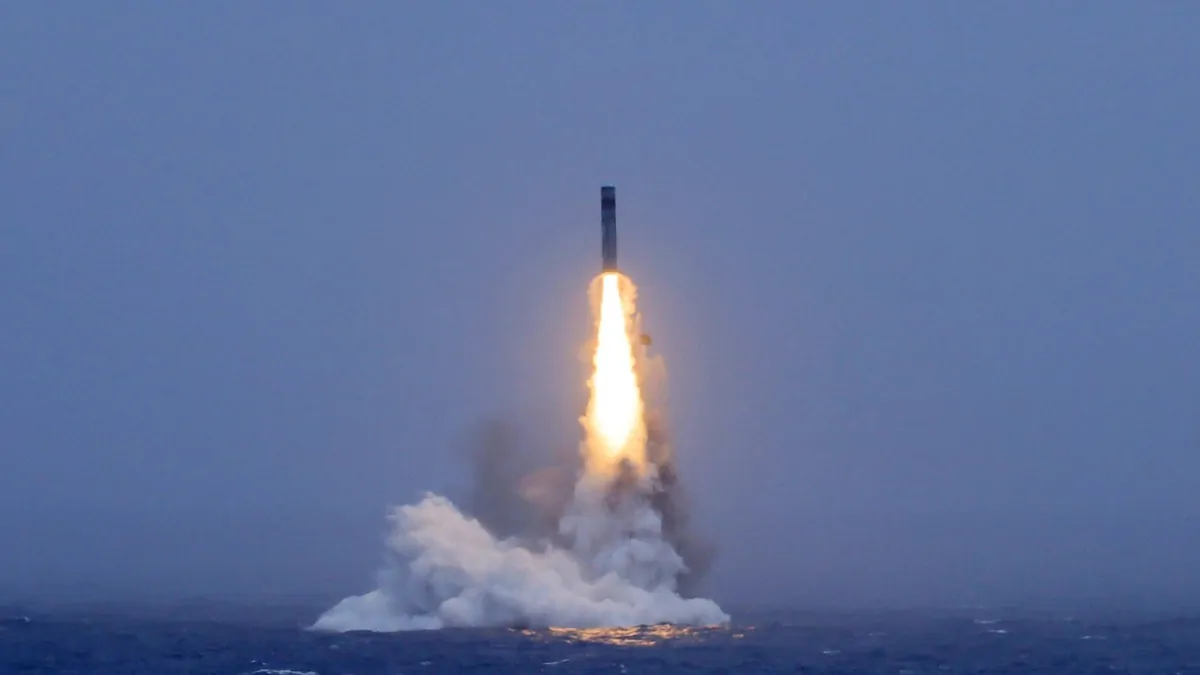
U.S. Offensive details
According to the Yahoo News report, the strikes hit missile and air‑defence systems, fast‑boat bases, and a water‑pumping facility that supplies the port of Jask. The Pentagon said the operation used naval vessels, fighter jets, drones and surface ships to strike more than 140 targets in a single night, bringing the cumulative total of sites hit this week to “over 300,” a figure echoed across the three sources.
Defense Secretary Pete Hegseth posted on X:
"Iran made a poor choice. Now they pay."
Retired General Frank McKenzie, former commander of U.S. Central Command, told Face the Nation that “U.S. Forces certainly have the capability to control the Strait of Hormuz if the president chooses to follow that course of action,” underscoring the strategic weight behind the strikes.
Iran’s retaliation and rhetoric
In response, the IRGC announced attacks on Bahrain, Kuwait, Jordan, Qatar and Oman, claiming to have destroyed radar installations in Oman and a U.S. Military facility in Manama. The Guards also said they hit “U.S. Military facilities and infrastructure in Juffair, Bahrain, where fires are raging,” and struck the Prince Hassan Air Base in Jordan, demolishing its command‑and‑control centre and MQ‑9 drone hangars.
Tehran’s state media reported explosions in Jask, Qeshm, Bandar Abbas and Sirik, but denied civilian casualties.
Competing narratives on the strait
CENTCOM repeatedly asserted that the Strait of Hormuz is “open to all vessels” and that “Iran does not control the strait.” A U.S. Official disputed Iranian claims that U.S. Bases in Jordan had been hit, saying that “the overwhelming majority of Iranian missiles and drones were intercepted or shot down.”
Expert context
“That said, if the peace and the deals and the negotiations are at such a delicate place that it’s only going to be… one wrong missile to completely destroy any hopes of a final deal,”
Michael Ware, Sky News analyst, via thenightly
Ware’s warning adds a layer of urgency: a single misstep could unravel the fragile 60‑day interim agreement signed in June, under which Iran pledged “to make arrangements” for safe ship passage without charge for 60 days.
Regional fallout
Jordan’s air force said it intercepted four Iranian missiles over its territory, while Qatar reported three injuries from falling debris after intercepting missile attacks. The United Arab Emirates, Bahrain and Qatar all activated air‑raid sirens, and the UK Maritime Trade Operations centre confirmed a Cyprus‑flagged container ship was ablaze after the Iranian strike.
India’s foreign ministry said 11 of its nationals were aboard a vessel hit east of Oman; ten were rescued, one remained missing. The United Kingdom’s navy helped rescue the crew of the damaged ship, confirming the vessel was abandoned before being towed to safety.
What to watch next
- Whether Iran’s “closed” declaration leads to a formal suspension of commercial traffic or a negotiated reopening through the ongoing Iran‑Oman talks.
- Potential U.S. Escalation, including the deployment of additional naval assets to the narrow waterway, as hinted by retired Gen. McKenzie.
- Responses from Gulf allies—Bahrain, Qatar, the UAE and Saudi Arabia—particularly any coordinated missile‑defence drills.
- Continued diplomatic mediation by Pakistan and other regional actors seeking to revive the June memorandum of understanding.
- Market reactions, notably Brent crude prices and regional stock indices, as the conflict threatens oil‑shipping lanes.
Until then, both Washington and Tehran appear poised to test the limits of their military resolve while the world watches the fate of the strategically vital Strait of Hormuz.
How significant is this development?
Contribute your assessment to the aggregated reader sentiment ledger.
Frequently Asked Questions
Key questions answered in this reportWhat is the key development in: US launches fresh strikes on Iran, one soldier killed?
The U.S. launched airstrikes against over 140 Iranian targets following an attack on a Cyprus-flagged vessel. Iran responded with reported missile strikes across the region.
Why is this World development significant for the UK?
This report covers critical events in our World beat. Independent reporting monitors related UK statements, regulatory shifts, and public responses as further verified details emerge.
How was this reporting corroborated and verified?
Newsarchy UK compiles and cross-references reporting from primary reporting from thenightly.com.au and cross-checked wire reports. All coverage adheres to published editorial standards.
When was this report published?
This briefing was published on July 13, 2026 and is permanently cataloged in the Newsarchy UK World archives.


