China sparks international criticism after test-firing ballistic missile
China's recent submarine-launched ballistic missile test has drawn sharp condemnation from regional powers, sparking debate over nuclear strategy and security.
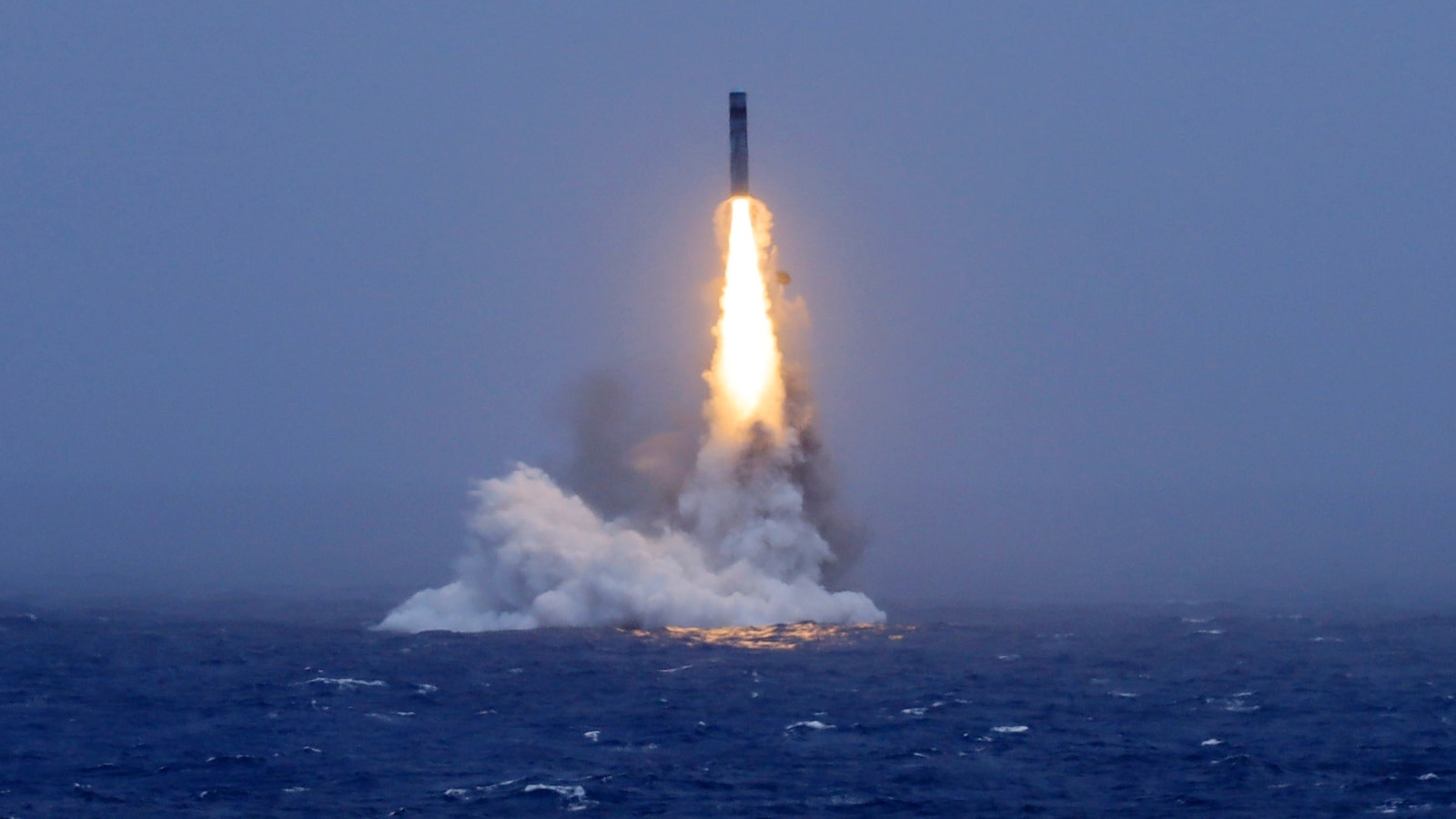
- Core Development: China's recent submarine-launched ballistic missile test has drawn sharp condemnation from regional powers, sparking debate over nuclear strategy and security.
- Beat Context: Categorized under World with independent corroboration.
- Reporting Depth: 3 minute analytical read synthesized from verified newsroom sources.
China conducted a test-launch of a long-range ballistic missile from a nuclear-powered submarine into the South Pacific on Monday, 6 July 2026. The launch, which occurred at 12:01 p.m. Local time, involved a dummy warhead and has triggered a wave of international criticism from regional powers, including Australia, Japan, and New Zealand.
The People’s Liberation Army stated that the operation was part of routine annual training. Beijing defended the transparency of the event, asserting that it informed relevant countries in advance. However, the move has drawn sharp rebukes from several nations who expressed concerns over the lack of transparency and the strategic implications of the test.
Media additions
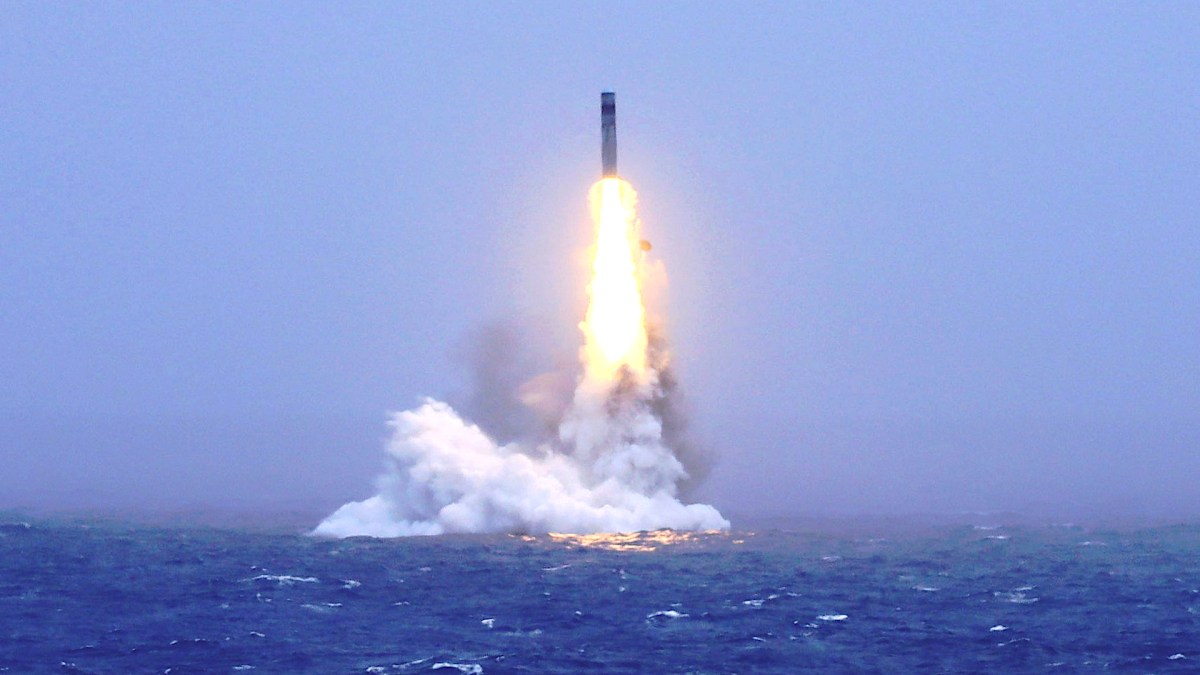
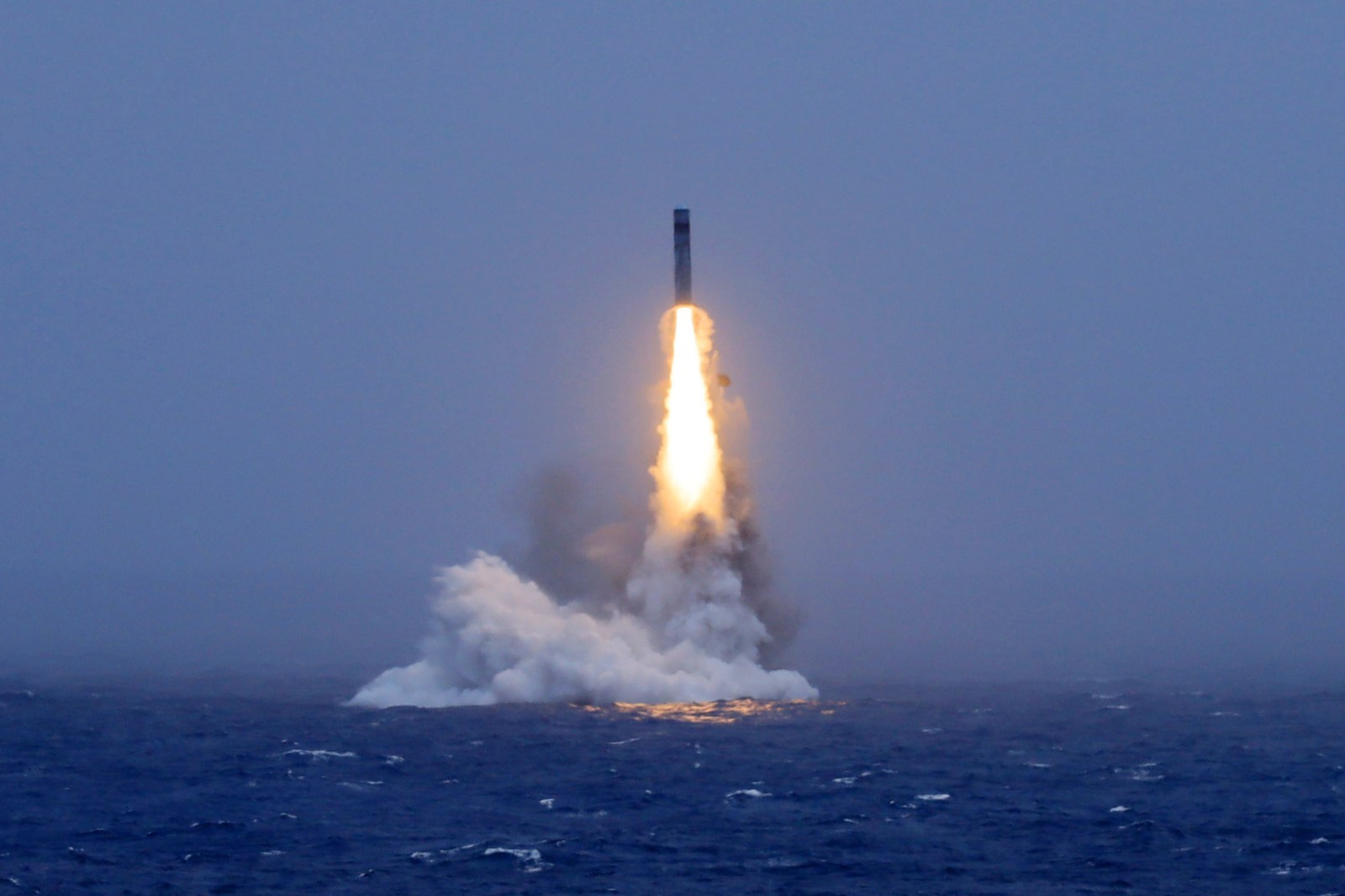
Strategic analysis of the event suggests that the launch serves as a demonstration of China’s sea-based nuclear triad capability, confirming the military’s second-strike capacity. Experts view this as a systematic move, rather than an isolated event, reflecting a broader effort by Beijing to showcase its evolving strategic nuclear strength. The test comes as China continues to expand its nuclear arsenal and modernize its naval forces, with the International Institute for Strategic Studies noting that China has been constructing nuclear-powered submarines at a rate surpassing that of the United States over the past five years.
There remains uncertainty regarding the specific hardware involved. The secretary-general of Taiwan's National Security Council identified the weapon as a JL-2, an older submarine-launched ballistic missile. Conversely, Chinese state media outlets featured military experts who suggested the projectile was likely a JL-3, a newer missile with greater range capabilities. The Pentagon has previously assessed the ranges of the JL-2 and JL-3 to be 3,900 and 5,400 nautical miles, respectively.
The choice of location for the test has drawn significant diplomatic friction. The missile landed within the South Pacific Nuclear Free Zone, established by the 1986 Rarotonga accord, a treaty China ratified in 1987. For many island nations, the use of the South Pacific for missile testing revives memories of nuclear detonations conducted by the United States, the United Kingdom, and France decades ago, which left long-term environmental and health consequences. Solomon Islands Prime Minister Matthew Wale remarked:
"China is a good friend of Solomon Islands, but this is not something a friend does. This is not … good in our region."
Matthew Wale, Solomon Islands Prime Minister, via local media
Political tensions were further heightened by the timing of the event. Australia’s Prime Minister Anthony Albanese decried the test as a "provocative act by China which does destabilize the region." Foreign Minister Penny Wong also noted that the notification provided by Beijing came with little notice.
Because China is not a signatory to the Hague Code of Conduct, the international community lacks a binding mechanism to govern the transparency of these ballistic missile tests. As the People's Liberation Army continues to build out its submarine fleet and nuclear stockpile, military observers anticipate that such tests into the Pacific may transition from rare occurrences to routine training exercises.
Moving forward, the diplomatic fallout remains unresolved. Regional powers continue to scrutinize China's military modernization, while Beijing maintains that its actions are consistent with international law and its sovereign right to conduct military exercises.
How significant is this development?
Contribute your assessment to the aggregated reader sentiment ledger.
Frequently Asked Questions
Key questions answered in this reportWhat is the key development in: China sparks international criticism after test-firing ballistic missile?
China's recent submarine-launched ballistic missile test has drawn sharp condemnation from regional powers, sparking debate over nuclear strategy and security.
Why is this World development significant for the UK?
This report covers critical events in our World beat. Independent reporting monitors related UK statements, regulatory shifts, and public responses as further verified details emerge.
How was this reporting corroborated and verified?
Newsarchy UK compiles and cross-references reporting from primary reporting from apnews.com and cross-checked wire reports. All coverage adheres to published editorial standards.
When was this report published?
This briefing was published on July 10, 2026 and is permanently cataloged in the Newsarchy UK World archives.