US forces launch new strikes on Iran following Strait of Hormuz attacks
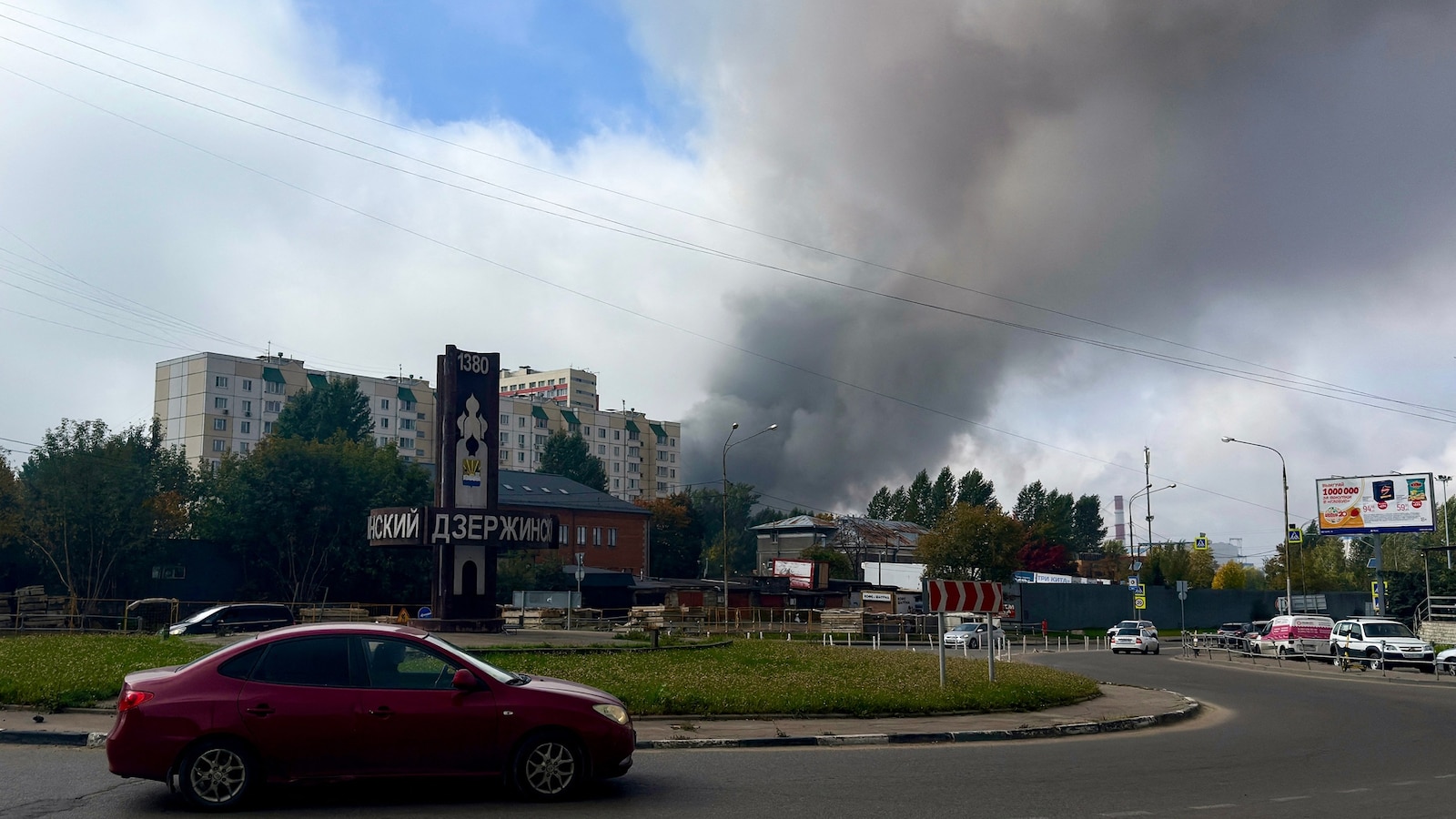
Tensions in the Strait of Hormuz have reached a critical point as U.S. military forces launch extensive strikes against Iranian targets. The escalation follows an attack on a container ship and threatens the future of the interim ceasefire.
- Core Development: Tensions in the Strait of Hormuz have reached a critical point as U.S. military forces launch extensive strikes against Iranian targets. The escalation follows an attack on a container ship and threatens the future of the interim ceasefire.
- Beat Context: Categorized under World with independent corroboration.
- Reporting Depth: 3 minute analytical read synthesized from verified newsroom sources.
United States military forces have launched a sustained series of strikes against Iran following an intense weekend of conflict in the Strait of Hormuz. The military action, which involved the targeting of approximately 140 sites, represents a significant escalation in the ongoing hostilities between the two nations. These events occur as both countries approach the midway point of a 60-day interim agreement, intended to lead to a permanent ceasefire.
The U.S. Central Command stated that the latest strikes were conducted to hold Iranian forces accountable following an attack on the M/V GFS Galaxy, a Cyprus-flagged container ship. The vessel was disabled in the Strait of Hormuz, sparking a fire and leaving at least one crew member missing. The U.S. Military reported that over the course of three distinct sets of strikes this week, more than 300 targets have been engaged, including missile and drone launch sites, naval capabilities, ammunition storage facilities, and communication networks.
Media additions
In response to the U.S. Operations, Iran has launched counter-attacks against several Gulf neighbors, including Bahrain, Kuwait, Qatar, Jordan, and Oman. The Iranian Revolutionary Guard Corps claimed to have struck military infrastructure in Jordan, specifically targeting a command and control center and drone hangars. However, a U.S. Official disputed these claims, stating that the overwhelming majority of Iranian missiles and drones were intercepted and there were no injuries to American forces. In Qatar, local authorities reported that falling debris from intercepted missiles resulted in injuries to three people, including one child.
The status of the Strait of Hormuz remains a central point of contention. While Iran has declared the waterway closed and established a regulatory authority requiring vessels to submit transit requests, the U.S. Military maintains that the strait remains open and that traffic is flowing. Iran’s Foreign Ministry characterized the U.S. Military strikes as barbaric
and argued that they have rendered diplomatic efforts futile. Conversely, officials in Washington have asserted that the U.S. Is prepared to ensure freedom of navigation despite what they describe as unwarranted Iranian aggression.
The diplomatic framework, established in June 2026, is now under extreme pressure. Mediators from Pakistan, Qatar, and Egypt continue to push for de-escalation, yet high-level officials have expressed deep concern regarding the current trajectory.
"A return to full-scale hostilities would have catastrophic consequences,"
António Guterres, United Nations Secretary-General, via AP News
The disagreement is fundamentally tied to the interpretation of the June memorandum of understanding regarding transit arrangements through the strait. The U.S. Supports a route along the Omani coast, whereas Iran insists on a route hugging its own coastline and maintains it has the right to manage—and potentially charge for—traffic. Mohammad Bagher Ghalibaf, the speaker of Iran’s parliament and a lead negotiator, stated that the era of one-sided deals has concluded, warning that the regime would continue to respond to pressure. Separately, the new supreme leader of Iran, Ayatollah Mojtaba Khamenei, issued a statement pledging to exact revenge for the death of his predecessor and father, though he did not name a specific country.
As of 13 July 2026, tensions remain high across the region. Local reports indicate that missile alerts have sounded in coastal areas, including Bahrain. While Iran’s health ministry reported 17 killed and 115 injured in strikes occurring mid-week, the U.S. Has maintained a focus on degrading Iranian capabilities to threaten commercial shipping. International observers are now monitoring whether the current military engagement will completely dismantle the existing ceasefire or if diplomatic channels can be salvaged. Future developments are expected to center on the ability of mediators to reconcile the conflicting demands regarding maritime transit and regional security guarantees.
How significant is this development?
Contribute your assessment to the aggregated reader sentiment ledger.
Frequently Asked Questions
Key questions answered in this reportWhat is the key development in: US forces launch new strikes on Iran following Strait of Hormuz attacks?
Tensions in the Strait of Hormuz have reached a critical point as U.S. military forces launch extensive strikes against Iranian targets. The escalation follows an attack on a container ship and threatens the future of the interim ceasefire.
Why is this World development significant for the UK?
This report covers critical events in our World beat. Independent reporting monitors related UK statements, regulatory shifts, and public responses as further verified details emerge.
How was this reporting corroborated and verified?
Newsarchy UK compiles and cross-references reporting from primary reporting from apnews.com and cross-checked wire reports. All coverage adheres to published editorial standards.
When was this report published?
This briefing was published on July 13, 2026 and is permanently cataloged in the Newsarchy UK World archives.