US military launches new airstrikes on Iran following deadly Jordan attack
The U.S. military has conducted a series of airstrikes against Iranian military facilities in retaliation for a deadly attack on the Muwaffaq Salti Air Base. The conflict has escalated to impact regional infrastructure and global shipping through the Strait of Hormuz.
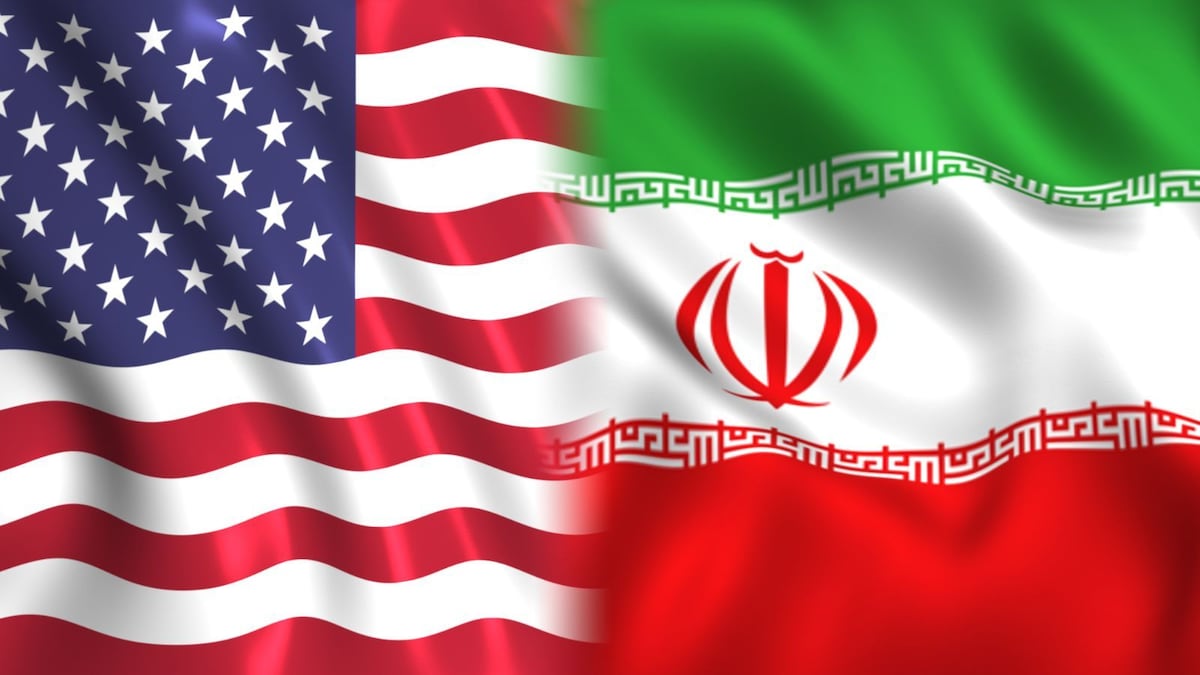
- Core Development: The U.S. military has conducted a series of airstrikes against Iranian military facilities in retaliation for a deadly attack on the Muwaffaq Salti Air Base. The conflict has escalated to impact regional infrastructure and global shipping through the Strait of Hormuz.
- Beat Context: Categorized under World with independent corroboration.
- Reporting Depth: 3 minute analytical read synthesized from verified newsroom sources.
The United States military has concluded an eighth consecutive night of airstrikes against Iranian targets, an escalation triggered by a deadly attack on American service members in Jordan. The intensifying conflict has centered heavily on the Strait of Hormuz, a critical waterway through which a significant portion of the world's oil and natural gas transits.
The latest round of U.S. Strikes targeted Iranian military coastal surveillance, air defense facilities, maritime capabilities, and missile and drone storage sites. According to the U.S. Military’s Central Command (CENTCOM), these operations were specifically designed to degrade Iran’s ability to threaten commercial shipping and to "swiftly punish" the Islamic Revolutionary Guard Corps (IRGC) for the strike in Jordan. That attack on the Muwaffaq Salti Air Base resulted in the deaths of at least two American service members and left four others hospitalized, according to reports verified by CBS News.
Media additions
The violence marks a definitive collapse of an interim ceasefire and a memorandum of understanding (MoU) that had been negotiated last month. Iranian officials, including Deputy Foreign Minister Kazem Gharibabadi, have declared that Tehran is suspending its commitments under that agreement, accusing the U.S. Of prior violations. In a statement carried by state media, Iran’s supreme leader, Mojtaba Khamenei, dismissed President Donald Trump’s signature as "utterly worthless" and threatened "unforgettable lessons" for the U.S. Military.
Escalation Across the Region
The conflict has expanded well beyond the Iran-U.S. Theater, with multiple regional allies reporting impacts from the hostilities. Kuwaiti authorities reported that Iranian drone and missile strikes damaged a water desalination plant and an oil facility, forcing the temporary closure of the country's airspace. The Gulf Cooperation Council condemned the actions as "war crimes," noting that the repeated targeting of infrastructure endangers civilian lives.
In Iraq, the city of Irbil saw drones shot down, while the Iranian Kurdish group Komala Party reported that nine of its members were killed in strikes near Sulaimaniyah. Meanwhile, in Lebanon, the Israeli military reported striking a Hezbollah drone unit. Tensions remain high as Lebanese President Joseph Aoun prepares to visit the White House to discuss security and the potential for a regional de-escalation with President Trump.
The humanitarian and economic toll is mounting. According to Iran’s Health Ministry, U.S. Strikes since 6 July have resulted in at least 50 deaths and over 500 injuries. UNICEF has further warned that the ongoing conflict in the Middle East could push millions of children in Africa and Asia into poverty due to soaring food and fuel costs.
The Current Security Picture
- Casualties: The total number of U.S. Military fatalities since the war began on 28 February has reached 16.
- Blockade: The U.S. Maintains a naval blockade against Iranian ports, while Iran has effectively restricted shipping traffic through the Strait of Hormuz.
- Travel Advisories: The U.S. Department of State has urged American citizens to exercise "increased caution" and reconsider travel across the Middle East, citing a volatile security environment.
As the U.S. Military continues to hold over 50,000 personnel in a state of high readiness across the region, the immediate path forward remains unclear. While Pakistan’s Foreign Minister Ishaq Dar has called for restraint and a return to diplomatic dialogue, global observers are watching for the outcome of the upcoming White House meeting between the U.S. And Lebanese leadership to see if any framework for regional stability can be salvaged.
How significant is this development?
Contribute your assessment to the aggregated reader sentiment ledger.
Frequently Asked Questions
Key questions answered in this reportWhat is the key development in: US military launches new airstrikes on Iran following deadly Jordan attack?
The U.S. military has conducted a series of airstrikes against Iranian military facilities in retaliation for a deadly attack on the Muwaffaq Salti Air Base. The conflict has escalated to impact regional infrastructure and global shipping through the Strait of Hormuz.
Why is this World development significant for the UK?
This report covers critical events in our World beat. Independent reporting monitors related UK statements, regulatory shifts, and public responses as further verified details emerge.
How was this reporting corroborated and verified?
Newsarchy UK compiles and cross-references reporting from primary reporting from cnbctv18.com and cross-checked wire reports. All coverage adheres to published editorial standards.
When was this report published?
This briefing was published on July 19, 2026 and is permanently cataloged in the Newsarchy UK World archives.