Samsung and SK Hynix tumble on AI, China chip fears
South Korean memory-chip giants Samsung and SK Hynix suffered steep stock declines amid mounting fears over AI infrastructure spending and Chinese competition.
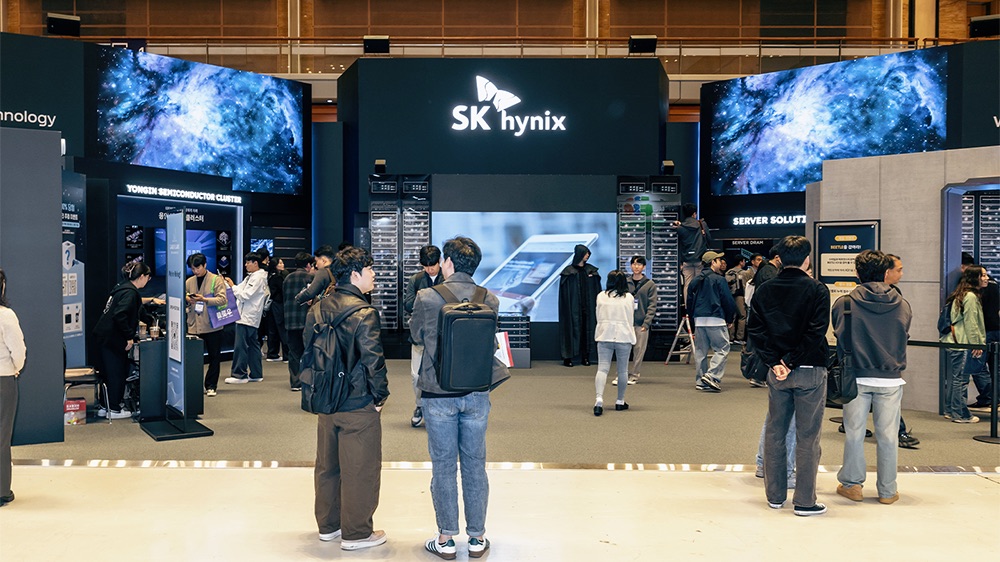
Shares of South Korea’s two biggest memory‑chip makers fell sharply on Tuesday, sending the KOSPI into a steep decline and underscoring how quickly sentiment can swing when investors reassess the outlook for artificial‑intelligence‑related hardware.
According to Yahoo Finance, Samsung Electronics (SSNLF) slid 13.4% and SK Hynix (HXSCL) dropped 14.7%, each marking the worst one‑day move for the companies in almost two decades. The same outlet noted that the double‑digit slide pushed the KOSPI down 10.8%, its largest single‑day loss since the early stages of the U.S.–Iran conflict in March.
In a parallel report, Econotimes recorded slightly lower headline numbers – Samsung down 9.5% and SK Hynix down 11.1% – but confirmed that the broader index slid around 8% in early trading. Both outlets agree that the sell‑off was broad‑based, reflecting a rapid pull‑back from AI‑related equities across the market.
The twin forces behind the plunge are a blend of financing worries for AI infrastructure and a growing sense that Chinese memory‑chip manufacturers may soon be able to expand capacity at a faster clip. Reports that Chinese firms are developing domestic deep‑ultraviolet (DUV) lithography equipment revived fears that China could close the technology gap in memory production. Han Ji‑young, an analyst at Kiwoom Securities, said the news “fuels concerns that Chinese memory‑chip makers could quickly scale up” and challenge the market share of Samsung and SK Hynix, even though the commercial readiness of the equipment remains uncertain.
SK Hynix’s exposure to the AI market is especially acute. The company supplies high‑bandwidth memory (HBM) chips to Nvidia, making its earnings highly sensitive to shifts in expectations for AI spending. Analysts highlighted that, while Samsung posted stronger‑than‑expected earnings earlier in the month, the market’s appetite for AI‑related chips appears to be waning. The Wall Street Journal reported that Nvidia may provide roughly $250 billion in financing for an OpenAI data‑center project, a move that sent Nvidia shares down nearly 5% and raised questions about the chipmaker’s willingness to bankroll its own customers.
Adding to the unease, low‑cost Chinese open‑source AI models such as Kimi K3 have begun to attract interest, potentially dampening demand for the high‑performance GPUs and HBM memory that fuel the AI boom. The debut of Chinese memory‑chip maker CXMT and reports that Apple lobbied the Trump administration to permit Chinese‑made chips in certain products further amplified worries about a broader Chinese encroachment on the semiconductor supply chain.
Key factors behind the sell‑off
- Investor anxiety over the financing of AI infrastructure projects.
- Analyst warnings that Chinese DUV lithography progress could accelerate domestic memory‑chip capacity.
- SK Hynix’s reliance on Nvidia’s HBM demand, now clouded by Nvidia’s own financing plans for OpenAI.
- Emergence of low‑cost Chinese AI models reducing the perceived need for premium AI hardware.
- Upcoming earnings reports, with SK Hynix slated to release results on Wednesday, its first filing since the July Nasdaq debut.
Because Samsung and SK Hynix together account for nearly half of the KOSPI, their steep declines transmitted substantial pressure into the benchmark index, magnifying the market’s reaction to the underlying concerns.
Looking ahead, market participants will be watching several catalysts. SK Hynix’s earnings release on Wednesday will test whether the company’s HBM sales can justify the lofty growth expectations embedded in its recent stock performance. Analysts will also monitor any further disclosures from Chinese memory producers about the commercial viability of their DUV lithography tools, as well as any policy shifts that could affect the flow of AI‑related financing.
In the short term, the combination of AI‑spending uncertainty and a perceived acceleration of Chinese competition appears to have tipped the risk‑off sentiment that has been buoying the sector. Whether the sell‑off proves temporary or signals a more structural correction in the AI‑driven semiconductor rally remains to be seen, but the next few days of earnings and technical updates are set to shape the market’s direction.


