SK Hynix shares face volatility following record US market debut
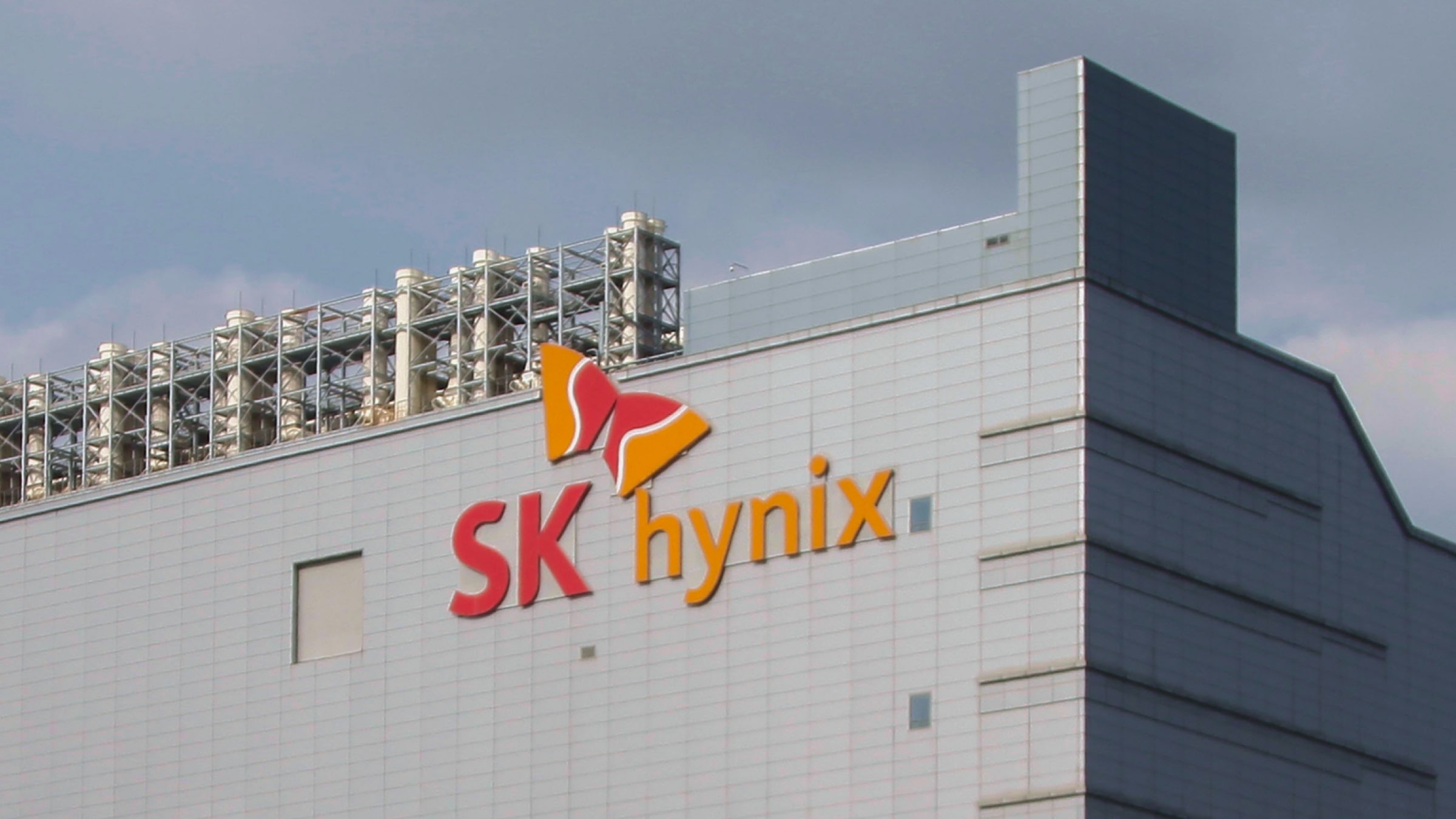
South Korean chipmaker SK Hynix is navigating sharp share price swings following its Nasdaq entry, as global semiconductor stocks face a wider cooling trend.

- Core Development: South Korean chipmaker SK Hynix is navigating sharp share price swings following its Nasdaq entry, as global semiconductor stocks face a wider cooling trend.
- Beat Context: Categorized under Business with independent corroboration.
- Reporting Depth: 3 minute analytical read synthesized from verified newsroom sources.
Shares of South Korean semiconductor manufacturer SK Hynix are navigating a period of sharp volatility following the company’s debut on the Nasdaq exchange. The American depositary shares, trading under the ticker symbol SKHY, entered the United States financial arena on Friday. This offering stands as the second-largest initial public offering on record, trailing only the debut of Alibaba among non-US companies trading on domestic exchanges. The listing serves as a strategic attempt by the firm to bridge the historical valuation gap between its domestic Korean market and the premiums typically commanded by technology firms in the US.
The company’s arrival in the US coincides with a cooling of the global artificial intelligence trade. In early trading, SKHY shares dropped to $147.45, falling below the initial offering price of $149. This downward pressure follows broader declines across the semiconductor sector, where industry peers including Samsung, Micron, Western Digital, and SanDisk have faced double-digit corrections in recent weeks. The retreat in share prices reflects a wider investor trend; technology stocks, which contributed significantly to year-to-date market returns, are experiencing a decline as market psychology shifts.
Media additions
Market observers attribute this instability to concerns regarding the cyclical nature of the memory chip industry. While the company has seen substantial financial growth, analysts suggest that current valuations may overstate the potential for long-term structural stability in profitability. Jing Jie Yu, an equity analyst at Morningstar, indicates that the current pricing power enjoyed by memory manufacturers is a temporary consequence of extreme market undersupply. According to Yu, the expected surge in supply as new production facilities come online beginning in 2027 will likely erode this pricing power, potentially triggering a cyclical downturn.
Capital raised through the US offering is designated for the construction of two production and packaging facilities. Projections suggest that this expanded capacity, when combined with projects from competitors, could increase total industry supply by 2030. One of these projects is expected to begin operations within the first half of 2027. Analysts currently hold an average "Buy" rating on the stock, with some projections forecasting long-term price appreciation.
The transition to US markets has also highlighted the influence of leveraged trading within the hardware sector. Steve Sosnick, chief strategist at Interactive Brokers, expressed concerns regarding the impact of fast-money traders and leveraged exchange-traded funds on memory stocks. Sosnick warned that if the sector’s cooling continues, the resulting unwinding of these leveraged positions could disrupt market psychology to a greater degree than a standard industry rotation.
Market Context and Industry Outlook
- Production Expansion: Proceeds from the US offering will fund infrastructure projects intended to increase the company’s total headline capacity by approximately 60% by 2030.
- Market Valuation: The company aims to capture the premium typically assigned to US-traded technology firms, as Korean memory manufacturers have historically traded at lower valuations compared to American peers.
- Financial Trajectory: Following a year of negative gross margins in 2023, the firm reported revenue growth through the third quarter of 2025, though recent weeks have seen significant share price retreats from earlier peaks.
- Investor Sentiment: While memory stocks have been a significant contributor to year-to-date returns, high-profile analysts remain cautious, noting that current stock prices may be disconnected from the inherent volatility of the memory chip cycle.
As SK Hynix navigates its initial weeks on the Nasdaq, investors are monitoring whether the current volatility will stabilize or if the broader semiconductor selloff will persist. Industry leaders and stakeholders remain attentive to upcoming earnings reports and production milestones, as the market weighs the long-term impact of artificial intelligence infrastructure spending against the looming reality of increased global chip capacity.
How significant is this development?
Contribute your assessment to the aggregated reader sentiment ledger.
Frequently Asked Questions
Key questions answered in this reportWhat is the key development in: SK Hynix shares face volatility following record US market debut?
South Korean chipmaker SK Hynix is navigating sharp share price swings following its Nasdaq entry, as global semiconductor stocks face a wider cooling trend.
Why is this Business development significant for the UK?
This report covers critical events in our Business beat. Independent reporting monitors related UK statements, regulatory shifts, and public responses as further verified details emerge.
How was this reporting corroborated and verified?
Newsarchy UK compiles and cross-references reporting from primary reporting from morningstar.com and cross-checked wire reports. All coverage adheres to published editorial standards.
When was this report published?
This briefing was published on July 18, 2026 and is permanently cataloged in the Newsarchy UK Business archives.