US launches seventh night of Iran strikes as Hormuz conflict escalates
US forces are striking Iranian transport and surveillance hubs as the regional conflict spreads, triggering missile retaliations across the Middle East.
- Core Development: US forces are striking Iranian transport and surveillance hubs as the regional conflict spreads, triggering missile retaliations across the Middle East.
- Beat Context: Categorized under World with independent corroboration.
- Reporting Depth: 3 minute analytical read synthesized from verified newsroom sources.
The United States military launched a seventh consecutive night of airstrikes against Iran on Friday, 17 July 2026. US Central Command (CENTCOM) confirmed the commencement of the latest mission, stating the objective remains to continue degrading Iranian military capabilities
. This ongoing campaign follows the collapse of an interim ceasefire and an escalating struggle for control over the Strait of Hormuz, a critical global maritime artery.
Operational scope expanded throughout the day as American forces targeted transport and energy infrastructure in southern Iran. In the Hormozgan province, strikes damaged highway and railway bridges, including at the coastal city of Bandar Khamir. These actions appear designed to sever the logistical connection between Iran’s major port of Bandar Abbas and the capital, Tehran. CENTCOM forces also collapsed a large surveillance tower at the Chabahar port on the Gulf of Oman. While Iranian officials described the structure as a monitor for commercial traffic, CENTCOM asserted the tower was utilized by the Islamic Revolutionary Guard Corps (IRGC) to track and target vessels transiting the strait.
Media additions

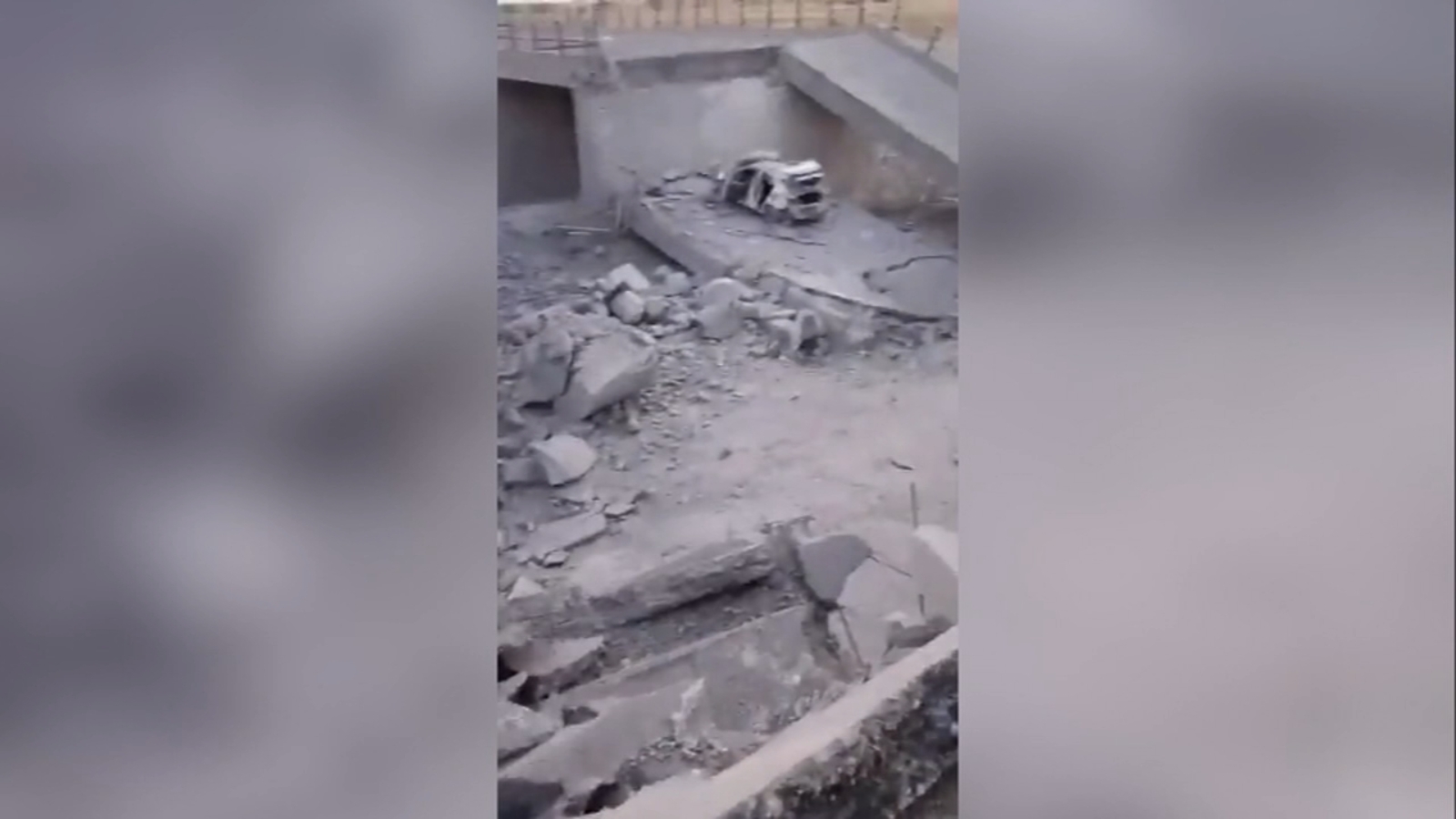
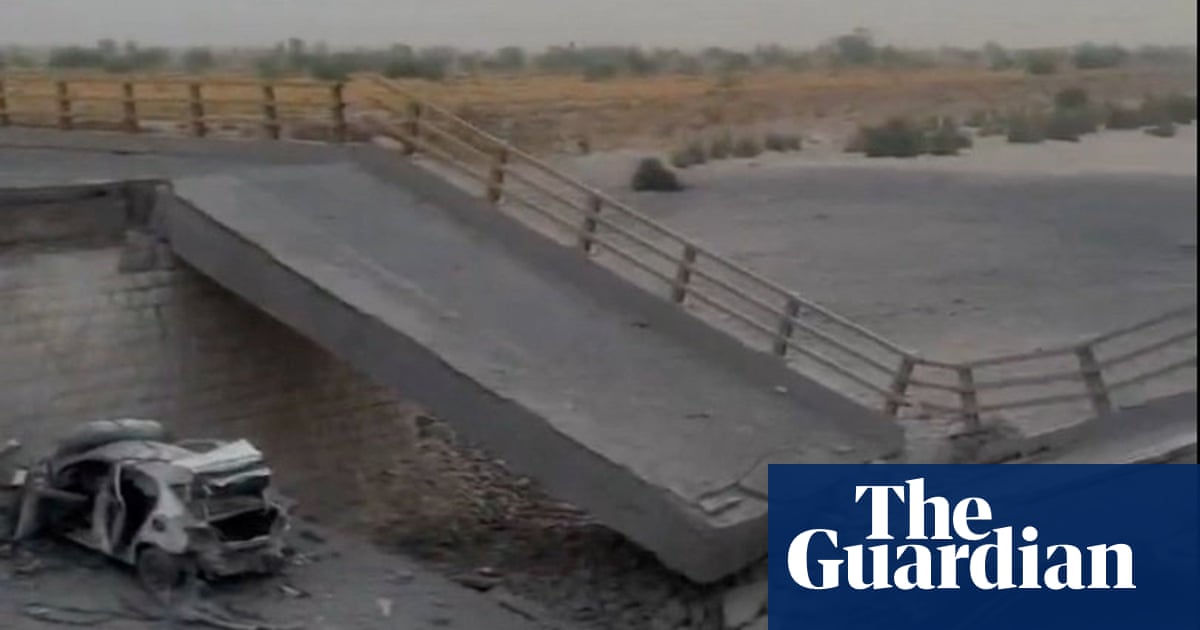
The conflict triggered widespread retaliatory strikes from Iran across the Middle East. Iranian missiles targeted multiple US-allied nations, including Qatar, Bahrain, Kuwait, and Jordan. In Kuwait, a critical power and water desalination plant sustained damage, forcing authorities to extinguish a fire and urge citizens to ration electricity. Qatar’s interior ministry reported that falling debris from intercepted missiles wounded a child. Additionally, explosions occurred in northern Iraq’s semiautonomous Kurdish region, where strikes on a camp belonging to the Komala party reportedly killed nine people.
Economic fallout from the blockade remains severe. Since the resumption of hostilities on 28 February 2026, the Strait of Hormuz has seen a sharp decline in traffic, with only eight vessels recorded passing through on Thursday. The US has re-imposed a naval blockade, actively boarding, redirecting, or disabling commercial ships. International shipping data confirms that many vessels are either remaining stationary or turning off location tracking devices to avoid targeting. Reflecting market uncertainty, Brent crude oil prices surged on Friday, trading above $86 per barrel.
Official casualty figures vary significantly. Iranian health officials reported that recent US strikes have killed at least 46 people and wounded more than 400. The US military confirmed that 13 additional service members—10 Army soldiers and three Navy sailors—have been injured since Monday. The total number of US casualties since the beginning of the war stands at 14 killed and 427 wounded.
As the conflict persists, the humanitarian situation in Iran has deteriorated, with the Energy Ministry issuing warnings for citizens to reduce power consumption amid extreme heat and damage to domestic energy facilities. Meanwhile, the IRGC has threatened a devastating price
for regional nations hosting US bases should the strikes on infrastructure continue. Despite the intensity of the fighting and the destruction of transport hubs and power plants, President Donald Trump stated on Thursday that the war is proceeding well, promising that the results of the campaign would be evident shortly.
The United Kingdom Maritime Trade Operations center reported that a tanker sustained minor damage while traversing the strait on Friday, though the crew remained uninjured. As both sides escalate, Pakistan and other regional mediators have faced increasing difficulty in facilitating new negotiations to restore stability to the waterway.
How significant is this development?
Contribute your assessment to the aggregated reader sentiment ledger.
Frequently Asked Questions
Key questions answered in this reportWhat is the key development in: US launches seventh night of Iran strikes as Hormuz conflict escalates?
US forces are striking Iranian transport and surveillance hubs as the regional conflict spreads, triggering missile retaliations across the Middle East.
Why is this World development significant for the UK?
This report covers critical events in our World beat. Independent reporting monitors related UK statements, regulatory shifts, and public responses as further verified details emerge.
How was this reporting corroborated and verified?
Newsarchy UK compiles and cross-references reporting from primary reporting from apnews.com and cross-checked wire reports. All coverage adheres to published editorial standards.
When was this report published?
This briefing was published on July 18, 2026 and is permanently cataloged in the Newsarchy UK World archives.