NHS hospitals declare critical incidents as heatwaves cause equipment failure
Record-breaking temperatures are causing cooling system and equipment failures across NHS trusts, forcing the cancellation of patient appointments.
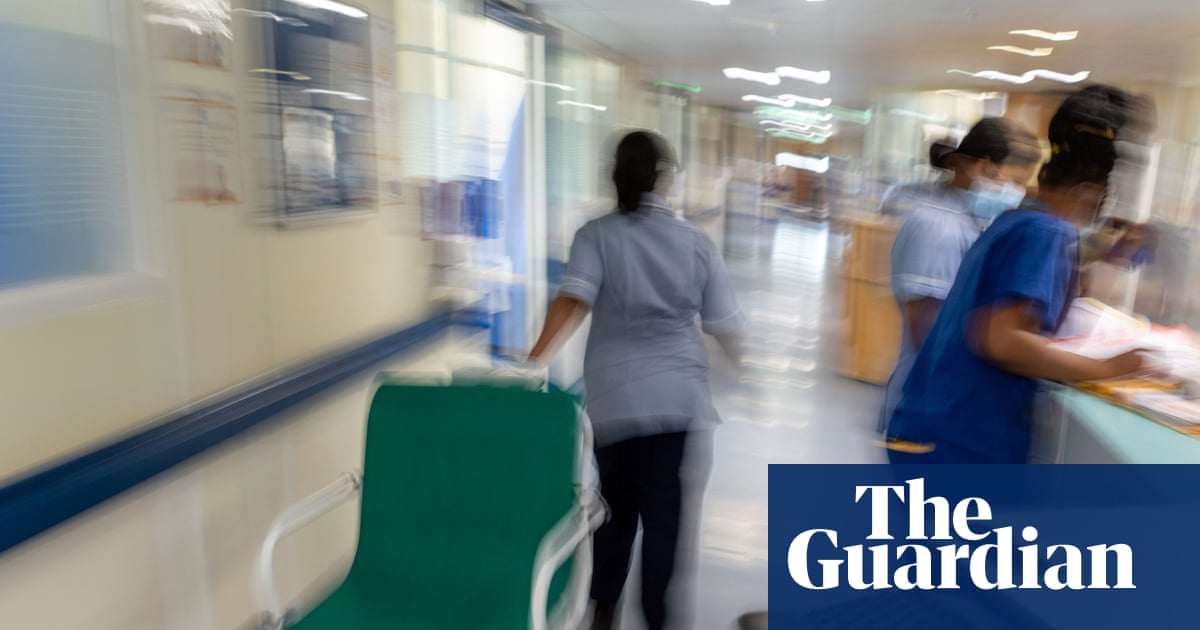
- Core Development: Record-breaking temperatures are causing cooling system and equipment failures across NHS trusts, forcing the cancellation of patient appointments.
- Beat Context: Categorized under NHS with independent corroboration.
- Reporting Depth: 3 minute analytical read synthesized from verified newsroom sources.
Multiple NHS trusts across England have declared critical incidents as an intense, record-breaking heatwave forces a widespread shutdown of essential medical equipment and disrupts patient services. The wave of declarations, which began to escalate on Wednesday, 24 June 2026, follows severe failures in cooling infrastructure that have left sensitive diagnostic machines and IT systems unable to operate reliably in the extreme heat.
Hospitals have reported that central chiller units, vital for maintaining temperature-sensitive diagnostic tools, have failed under the strain of record temperatures and humidity. At the Queen Alexandra Hospital in Portsmouth, a critical incident was declared on 24 June after multiple chiller units broke down. The resulting heat affected cardiac catheter laboratories, operating theatres, and diagnostic scanning facilities, according to Mark Orchard, the trust's deputy chief executive and chief financial officer. Similarly, the Norfolk and Norwich University Hospitals NHS Foundation Trust reported that its MRI scanners became non-functional after cooling systems could not cope with the heat and humidity, leading to the cancellation of at least 254 outpatient appointments.
Media additions



The operational crisis has triggered severe pressure on clinical staff. Physicians have described conditions in some geriatric wards reaching 35C, with many hospitals operating in buildings—some dating to the Victorian era—that lack modern ventilation. In some instances, even wards equipped with air conditioning had to be shut down to prevent the units from sustaining permanent damage. Medical professionals note that this reliance on aging infrastructure has left the NHS particularly vulnerable to the current temperature spikes.
The impact extends beyond physical infrastructure to the digital backbone of the health service. Hospitals have reported IT server rooms overheating, forcing staff to shut down non-essential equipment, including computers and lighting, to preserve critical data systems and prevent potential outages. Radiotherapy machines, essential for cancer treatment, have also stopped working in several facilities, forcing the postponement of life-saving care. Linear accelerator machines, used in cancer treatment, were among the equipment cited as failing during the heat.
"The impact of heatwaves on staff cannot be overstated. There is a sense of foreboding when we see the weather forecast, because we know what is to come, and there is very little staff can do."
Dr Hilary Williams, clinical vice-president of the Royal College of Physicians, via The Guardian
The surge in demand is further complicating the response. The London Ambulance Service recorded its highest number of life-threatening category one calls on Wednesday, responding to 642 emergency cases. Admissions for heat exhaustion and dehydration are rising, particularly among the elderly and those with chronic conditions, at a time when hospitals are already struggling with overcrowded wards and a lack of available beds.
Operational Impact Summary
- Equipment failure: MRI scanners and radiotherapy machines are frequently overheating, leading to diagnosis and treatment delays.
- Infrastructure: Many hospital cooling and chiller units have failed, causing temperatures to spike in operating theatres, laboratories, and wards.
- Emergency status: Affected trusts, including Portsmouth, Norfolk and Norwich, and University Hospital Southampton, have redirected staff to prioritise life-threatening cases while postponing elective procedures and outpatient appointments.
- Workforce stress: Staff are reporting fatigue and difficulty maintaining infection control standards in sweltering conditions.
While the Department of Health and Social Care maintains that all trusts are required to have effective arrangements for extreme weather, clinicians continue to warn that temporary measures, such as the use of portable fans, are insufficient and can pose fire and infection risks.
As the heatwave continues, the NHS remains under scrutiny regarding its preparedness for an era of more frequent and intense temperature spikes. Healthcare leaders are calling for climate-resilient healthcare systems and proactive upgrades to hospital estates to protect both patients and staff from future heat events.
How significant is this development?
Contribute your assessment to the aggregated reader sentiment ledger.
Frequently Asked Questions
Key questions answered in this reportWhat is the key development in: NHS hospitals declare critical incidents as heatwaves cause equipment failure?
Record-breaking temperatures are causing cooling system and equipment failures across NHS trusts, forcing the cancellation of patient appointments.
Why is this NHS development significant for the UK?
This report covers critical events in our NHS beat. Independent reporting monitors related UK statements, regulatory shifts, and public responses as further verified details emerge.
How was this reporting corroborated and verified?
Newsarchy UK compiles and cross-references reporting from primary reporting from theguardian.com and cross-checked wire reports. All coverage adheres to published editorial standards.
When was this report published?
This briefing was published on July 17, 2026 and is permanently cataloged in the Newsarchy UK NHS archives.