Taylor Farms pulls Mexican iceberg lettuce over cyclosporiasis outbreak
Taylor Fresh Foods has indefinitely removed iceberg lettuce sourced from central Mexico from the U.S. market as federal investigators probe a widespread cyclosporiasis outbreak linked to the parasite Cyclospora cayetanensis.
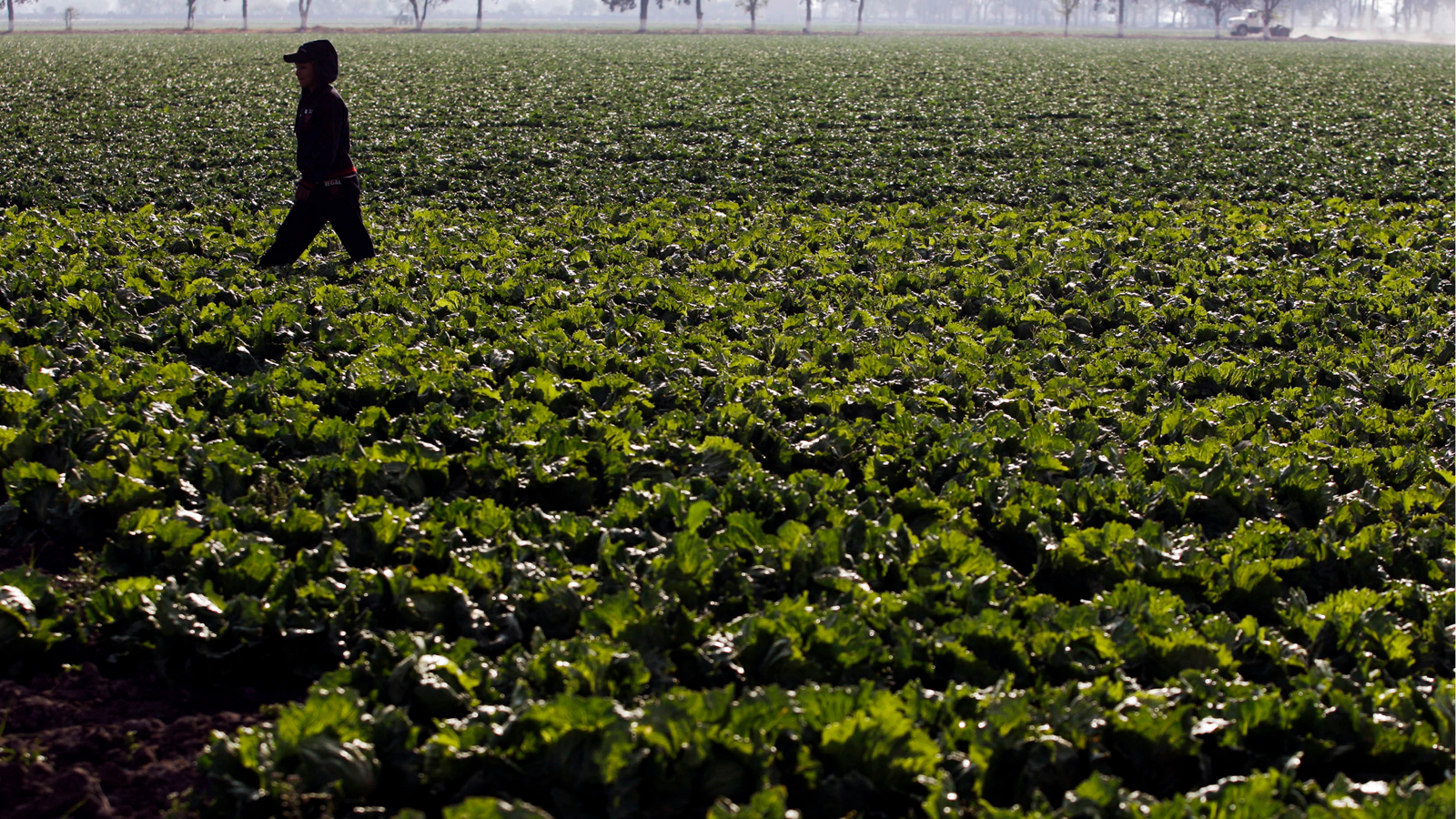
Taylor Fresh Foods, one of the largest producers of fresh produce in North America, confirmed on Friday, 17 July 2026, that it is removing all iceberg lettuce sourced from central Mexico from the U.S. Market. The move comes as federal investigators work to contain a widespread outbreak of cyclosporiasis, a gastrointestinal illness caused by a microscopic parasite. While Taylor Fresh Foods is the parent company of the Salinas, California-based Taylor Farms, the company maintains that its decision to pull the product is a precautionary measure tied to a specific, independent farm identified by the U.S. Food and Drug Administration (FDA) as a potential source of the contamination.
The outbreak has prompted significant public health concerns, with the Centers for Disease Control and Prevention (CDC) linking shredded iceberg lettuce served at Taco Bell locations in five states — Indiana, Kentucky, Michigan, Ohio, and West Virginia — to a cluster of reported illnesses. The CDC has reported over 1,600 confirmed cases nationwide, though state-level data suggests the actual figure may be considerably higher; for instance, health officials in Michigan have recorded more than 5,000 cases.
Media additions


The impact of the contamination has been felt across the food service industry. Taco Bell confirmed it completed the removal of affected lettuce from its restaurants nationwide, pledging to replace the ingredient. Similarly, the food distributor Sysco announced it would stop sales and distribution of the product at the request of the supplier. Industry observers note that while the current advisory is limited to specific locations, the sprawling reach of companies like Taylor Farms, which processes thousands of heads of lettuce into bulk bags for hospitals, ballparks, and fast-food chains, complicates the tracing process.
"While the FDA traceback is indicating a specific independent farm, which represents less than 1% of the U.S.’s iceberg lettuce supply, as the potential source of the outbreak, we have removed all iceberg lettuce from the region indefinitely."
Taylor Fresh Foods, via statement to media outlets
The parasite responsible for the illness, Cyclospora cayetanensis, is notoriously difficult to eliminate from fresh produce. According to health experts, the parasite matures in the environment, often through exposure to human fecal matter, and can cause symptoms such as watery diarrhea, fatigue, bloating, and nausea. While generally not fatal, the illness can persist for weeks if left untreated. Because of the way large-scale processing facilities operate, contaminated produce can be distributed across vast geographic regions before symptoms appear in consumers, leading to a lag in reporting that hinders real-time outbreak management.
Outbreak Status and Industry Response
- Affected States: Indiana, Kentucky, Michigan, Ohio, and West Virginia.
- Regulatory Focus: The FDA is currently conducting a traceback investigation focused on a specific farm in central Mexico.
- Company Action: Taylor Farms is removing all iceberg lettuce from the central Mexico region indefinitely.
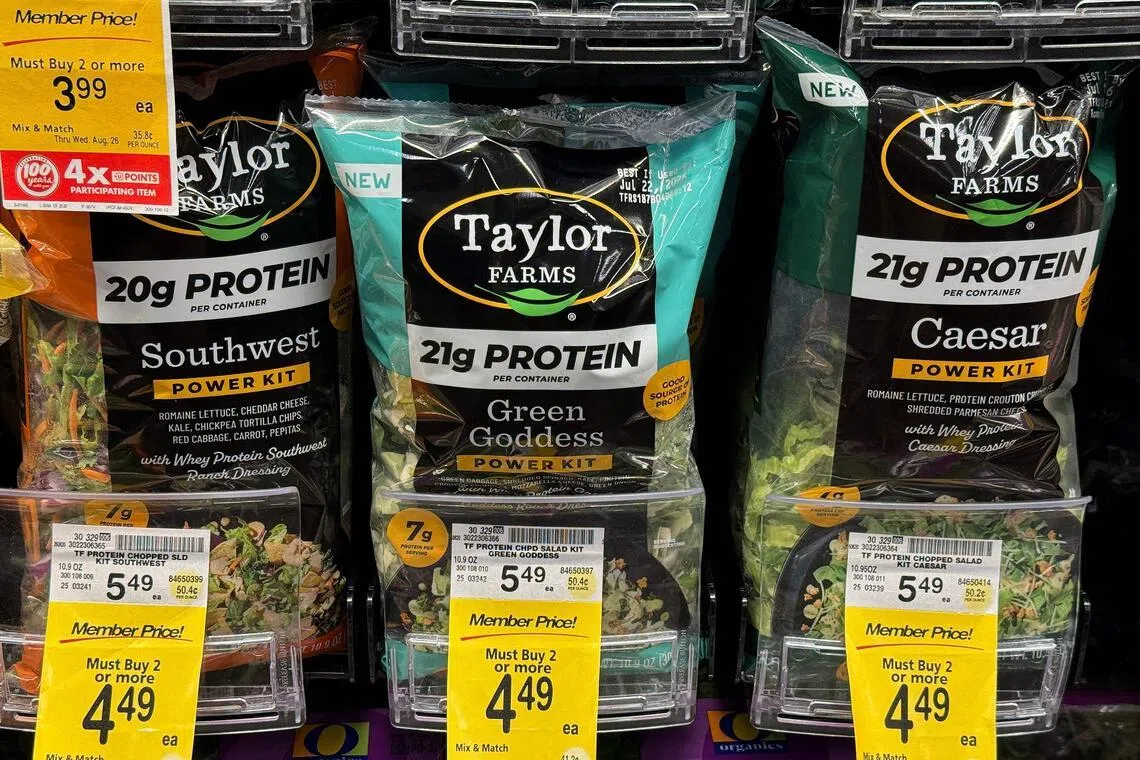
- Consumer Safety: No Taylor Farms-branded salad kits or bags sold in retail stores are currently associated with the outbreak.
As the investigation proceeds, public health officials continue to monitor data from 34 states where cases have been identified. While some experts suggest the peak of the infectious lettuce supply may have already passed due to the time elapsed since the initial contamination, the CDC warns that reports will likely continue to rise as investigation results are finalized. Looking ahead, regulators are expected to provide further updates on whether other supply chains were compromised by the same independent Mexican farm. Consumers are advised to monitor official guidance from the FDA for any further recalls or changes to the advisory.