British home price increases to lag inflation this year and next
New polling data reveals British home price increases will lag behind wider inflation this year and next as high borrowing costs constrain buyer demand.
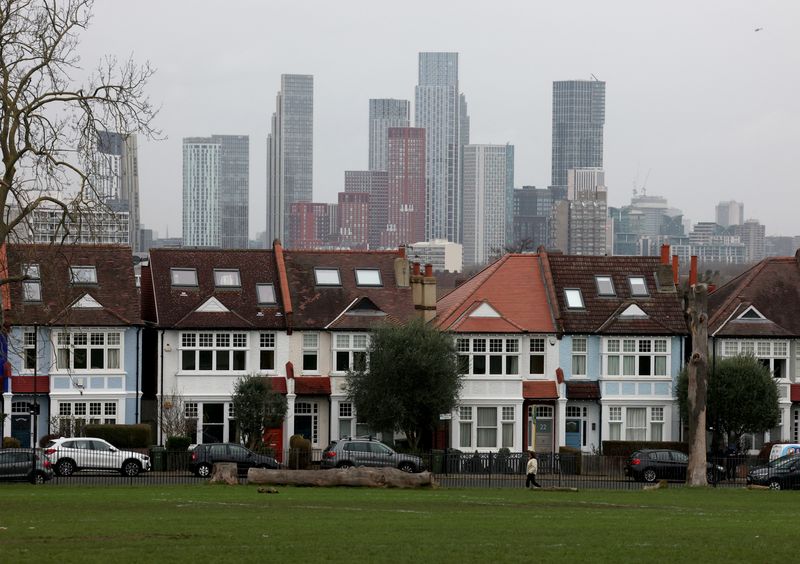
- Core Development: New polling data reveals British home price increases will lag behind wider inflation this year and next as high borrowing costs constrain buyer demand.
- Beat Context: Categorized under Cost of Living with independent corroboration.
- Reporting Depth: 3 minute analytical read synthesized from verified newsroom sources.
British home price increases are set to lag behind wider inflation this year and next, according to new property market polling data. The subdued outlook reflects a challenging economic environment that has constrained buyer demand and discouraged people from moving, even as prospective renters face significantly steeper cost increases across the country.
The latest findings come from a September Reuters poll of property market experts conducted between September 7 and September 18. Analysts predict that the average cost of buying a home will increase by just 1.3%
this year. Growth is expected to pick up slightly to 2.0%
next year and 3.3%
in 2028. These projections represent a downward revision from a previous June survey, which had anticipated stronger gains.
Media additions


Industry experts point to stubborn macroeconomic hurdles as the primary driver behind the sluggish trajectory. Marcus Dixon at JLL noted that elevated mortgage rates and a lack of stimulus mean we expect prices will remain broadly flat
before modest increases potentially materialize. Meanwhile, the Bank of England opted to leave borrowing costs unchanged, though Governor Andrew Bailey cautioned that prolonged geopolitical conflict in the Middle East could necessitate tighter monetary policy down the line.
These financial headwinds arrive alongside stubborn wider inflation figures. Official data revealed that Britain's overall inflation rate accelerated to a five-month high of 3.1%
in August. Separate polling indicates inflation is expected to average 3.1%
this year before easing in subsequent years, leaving property price growth trailing behind the cost of living.
| Metric / Forecast Category | Current / Projected Rate | Prior Expectation |
|---|---|---|
| Home Price Growth (2026) | 1.3% | 1.8% |
| Home Price Growth (2027) | 2.0% | 3.0% |
| Home Price Growth (2028) | 3.3% | 3.0% |
| Rental Price Growth (2026–2027) | 3.0% | — |
The slowdown in property transactions is clearly visible in lending data. Bank of England figures show that lenders approved the fewest mortgages for house purchases since January 2024 in July. Homebuilders are feeling the pinch as well; Barratt Redrow, the country's biggest homebuilder, lowered its home completions target amid planning bottlenecks and cautious buyer behavior.
Regional variations remain pronounced. In London, prices are anticipated to fall 1.4%
this year before recovering slightly with a 0.9%
rise in 2027. Rightmove data placed the average price of a home in the capital at £646,451
($864,176
) in August, keeping property ownership out of reach for many first-time buyers. Conversely, broader market indices such as Nationwide reported varying annual growth rates, while the Royal Institution of Chartered Surveyors noted that buyer demand measures have begun moving away from recent lows.
While prospective buyers experience a cooling market, the rental sector tells a very different story. Nationwide rental prices are projected to climb 3.0%
this year and next, followed by a 2.8%
increase in 2028.
"Fewer landlords are letting out property, shrinking rental supply. At the same time, high borrowing costs are pricing many would-be buyers out of the market, pushing them into renting instead."
Liam Daly, CEBR, via AOL
Official figures confirmed that private rent prices rose at their fastest rate this year, exacerbating pressures highlighted across the Cost of Living sector. Similar affordability worries echo wider public concerns detailed in our reporting on how the UK cost of living remains a top public concern.
As the housing and rental markets adjust to shifting economic pressures, attention turns toward upcoming fiscal announcements and monetary policy decisions. Observers will closely monitor whether autumn budget measures introduce fresh uncertainties or stability for buyers and renters alike as the Cost of Living landscape continues to evolve.
How significant is this development?
Contribute your assessment to the aggregated reader sentiment ledger.
Frequently Asked Questions
Key questions answered in this reportWhat is the key development in: British home price increases to lag inflation this year and next?
New polling data reveals British home price increases will lag behind wider inflation this year and next as high borrowing costs constrain buyer demand.
Why is this Cost of Living development significant for the UK?
This report covers critical events in our Cost of Living beat. Independent reporting monitors related UK statements, regulatory shifts, and public responses as further verified details emerge.
How was this reporting corroborated and verified?
Newsarchy UK compiles and cross-references reporting from primary reporting from ABN AMRO and cross-checked wire reports. All coverage adheres to published editorial standards.
When was this report published?
This briefing was published on September 19, 2026 and is permanently cataloged in the Newsarchy UK Cost of Living archives.