Trump says 'it gets really bad' for Iran next week: What is the US ...
President Donald Trump has announced plans to target Iranian power plants and bridges unless the nation enters negotiations. This threat follows a series of military actions described as a systematic escalation of U.S. operations against Iran.
- Core Development: President Donald Trump has announced plans to target Iranian power plants and bridges unless the nation enters negotiations. This threat follows a series of military actions described as a systematic escalation of U.S. operations against Iran.
- Beat Context: Categorized under World with independent corroboration.
- Reporting Depth: 5 minute analytical read synthesized from verified newsroom sources.
Trump says “it gets really bad” for Iran next week: What is the US preparing for?
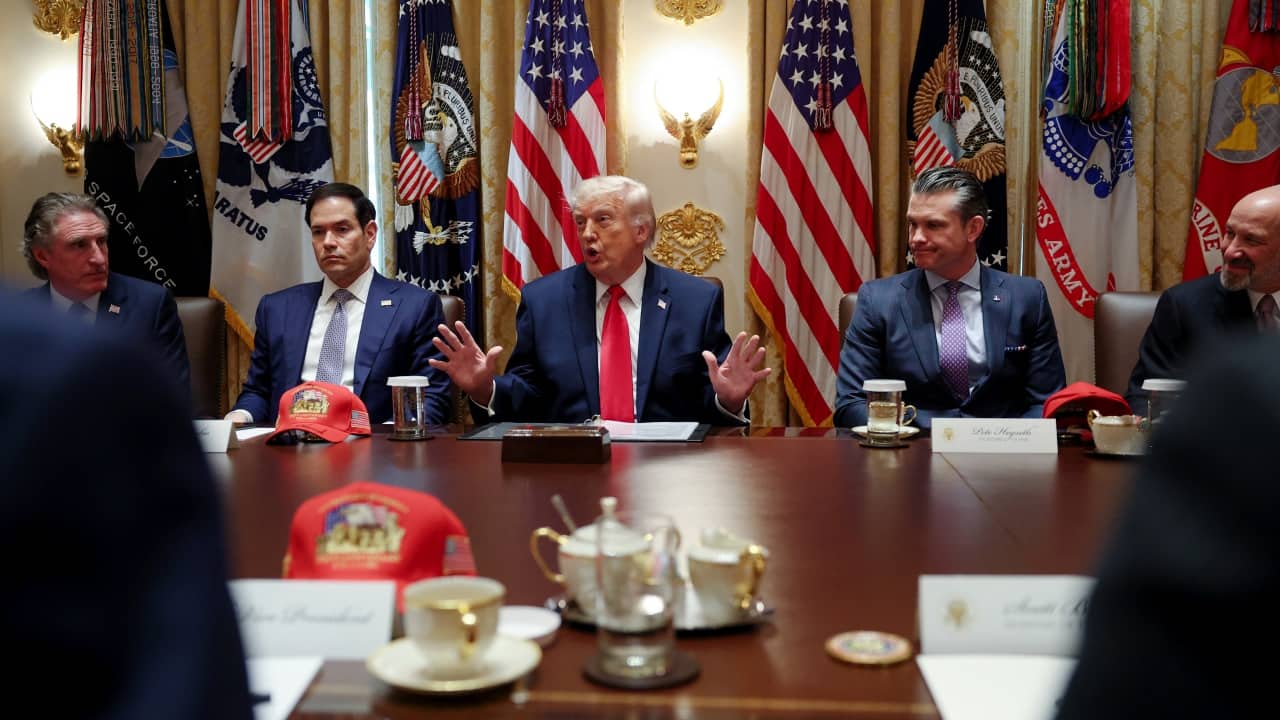
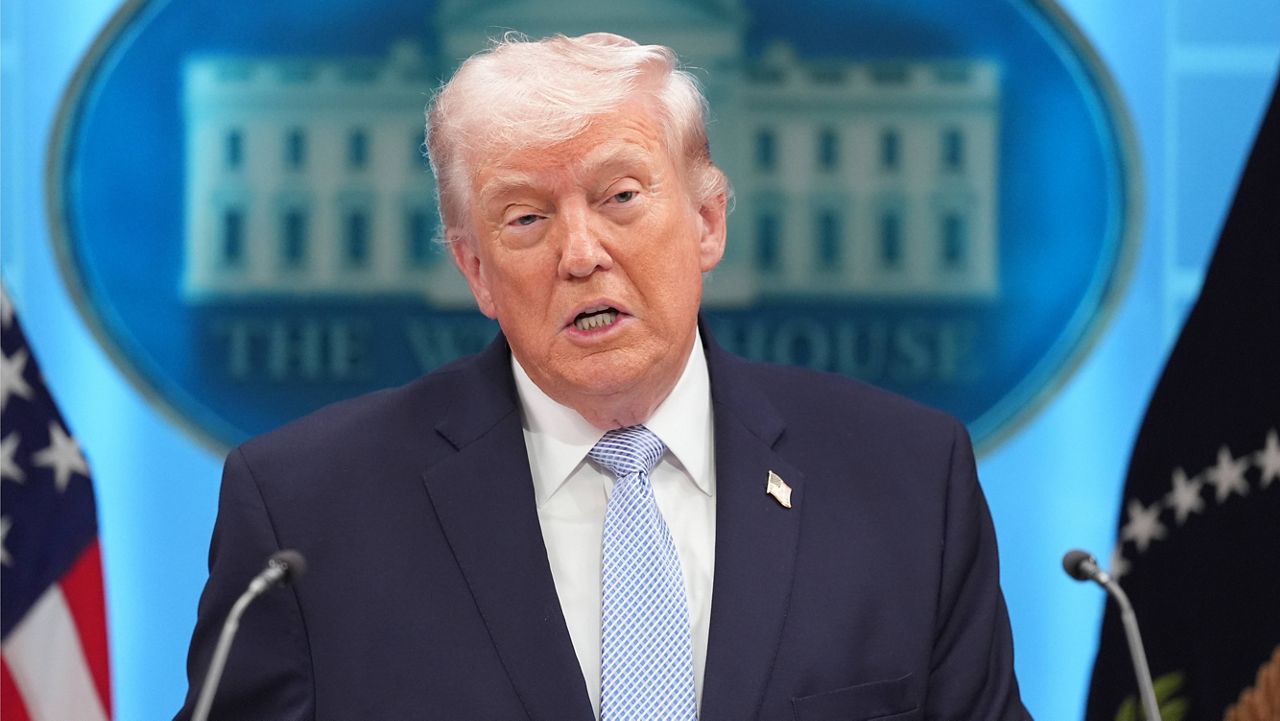
President Donald Trump used a Situation Room briefing on 15 July 2026 to warn that “next week it gets really bad for them because next week comes the power plants. Next week comes the bridges,” and added that the United States would “knock out all their power plants … unless they get to the table and negotiate.”
How the escalation ladder was built
According to an analysis by The Squirrels, U.S. Operations against Iran have followed a week‑by‑week “rung” system. Rungs 1–5, already executed, involved sanctions, a naval blockade of Iranian ports, and air‑strike campaigns targeting air‑defence, radar, anti‑ship missile sites and drone facilities. The fourth consecutive day of strikes – confirmed by U.S. Central Command (CENTCOM) – included daylight attacks, a departure from the previous reliance on darkness for cover.
Media additions


Rung 6, announced publicly on the same Tuesday, designates “civilian power plants and bridges” as the next set of targets. Rung 7 would focus on Iran’s deep‑underground Pickaxe Mountain nuclear facility, while Rung 8 – the country’s oil infrastructure – is being shelved intentionally. The Squirrels note that “destroying Iran’s oil capacity would spike global energy prices, directly harming American consumers ahead of the November congressional elections.”
Trump’s own language mirrors the rung framework. In a block‑level quotation reported by Political Wire he said:
“We’re going to hit them very hard tonight. We’re going to hit them hard tomorrow night. We’re gonna hit them really hard the night after. Next week it gets really bad for them because next week comes the power plants. Next week comes the bridges. We’re going to knock out all their power plants. We’re going to knock out all their bridges unless they get to the table and negotiate.”
Donald Trump, President, via Political Wire
The same phrasing appears in Fox News’ exclusive interview with chief foreign correspondent Trey Yingst, where Trump repeated the “power plants” and “bridges” threat and added that the strikes would continue “until I say it’s enough.”
“Next week it gets really bad for them because next week comes the power plants. Next week comes the bridges. We’re gonna knock out all their power plants. We’re going to knock out all their bridges unless they get to the table and negotiate.”
Donald Trump, President, via Fox News
Earlier deadlines and the collapsing ceasefire
Trump’s escalation follows a series of missed deadlines. On 6 April 2026, the president told a White House news conference that “every bridge in Iran will be decimated by 12 o’clock tomorrow night” if Iran failed to accept his 8 p.m. Deadline. The Associated Press later reported that Iran rejected a 45‑day ceasefire proposal and insisted on a “permanent end to the war.” Trump dismissed the prospect of a ceasefire in that same briefing, saying the United States had “an active and willing participant" in negotiations.
In the same April 6 conference, Trump paired the infrastructure threat with a promise to rescue two downed American airmen. He also hinted at possible future actions against Kharg Island, a key Iranian oil export hub, calling an attack “unlikely but not off the table.”
What officials say about the current campaign
U.S. Central Command (CENTCOM) has publicly framed the recent strikes as “designed to further degrade military capabilities Iranian forces have used to attack commercial shipping in the Strait of Hormuz.” Admiral Brad Cooper, CENTCOM commander, added that over the past week, Iran “intentionally targeted civilians across the region by attacking seven commercial ships, resulting in nearly a dozen civilian crew members killed, missing, or injured.”
Meanwhile, the Islamic Revolutionary Guard Corps (IRGC) accused the United States of responding to “U.S. Attacks on Iran’s southern coastal provinces and on two bridges in eastern Iran.”
Strategic calculations behind the pause on oil
The decision to hold back Rung 8 – Iran’s oil infrastructure – is presented as a market‑stability move. The Squirrels explain that destroying oil capacity would “spike global energy prices, directly harming American consumers ahead of the November congressional elections.” The same outlet notes that re‑imposed oil sanctions, a naval blockade, and a concurrent Russian diesel export ban are converging to create a “triple squeeze” on global energy markets.
Fox News reported that Trump had earlier considered imposing a 20 % toll on vessels transiting the Strait of Hormuz but abandoned the idea in favor of offering “massive” investment and trade deals to Middle Eastern nations.
Human‑rights concerns
Democratic lawmakers have voiced alarm that targeting power plants and bridges could amount to war crimes. Spectrum News recorded Trump’s dismissal of those concerns, arguing that the real crime would be “allowing Iran to have a nuclear weapon.” He also asserted that the Iranian people “want the U.S. To continue its military campaign” and would “endure destruction to civilian infrastructure for the hope of freedom.”
What to watch next
- Rung 6 is slated for the week of 20 July 2026, according to The Squirrels. If Iran does not return to negotiations, strikes on power plants and bridges are expected to commence.
- Rung 7 – the Pickaxe Mountain nuclear facility – remains on the watchlist. Trump has warned that “bunker busters can go deep” and that “nobody knows” if the underground site is impervious.
- Trump has set an August 18 deadline for a nuclear deal, as reported by The Squirrels.
- U.S. Naval activity in the Strait of Hormuz will likely continue to be monitored. CENTCOM has confirmed daylight strikes and a re‑imposed blockade.
How significant is this development?
Contribute your assessment to the aggregated reader sentiment ledger.
Frequently Asked Questions
Key questions answered in this reportWhat is the key development in: Trump says 'it gets really bad' for Iran next week: What is the US ...?
President Donald Trump has announced plans to target Iranian power plants and bridges unless the nation enters negotiations. This threat follows a series of military actions described as a systematic escalation of U.S. operations against Iran.
Why is this World development significant for the UK?
This report covers critical events in our World beat. Independent reporting monitors related UK statements, regulatory shifts, and public responses as further verified details emerge.
How was this reporting corroborated and verified?
Newsarchy UK compiles and cross-references reporting from primary reporting from timesnownews.com and cross-checked wire reports. All coverage adheres to published editorial standards.
When was this report published?
This briefing was published on July 15, 2026 and is permanently cataloged in the Newsarchy UK World archives.