Iran threatens to block additional trade routes after US strikes
U.S. forces struck Iranian military installations in a coordinated wave of attacks, leading Tehran to threaten the closure of further global energy transit routes.
- Core Development: U.S. forces struck Iranian military installations in a coordinated wave of attacks, leading Tehran to threaten the closure of further global energy transit routes.
- Beat Context: Categorized under World with independent corroboration.
- Reporting Depth: 4 minute analytical read synthesized from verified newsroom sources.
U.S. Central Command announced on Wednesday that a coordinated wave of drones, aircraft and naval assets struck Iranian military sites for about ninety minutes. The targets included coastal defence installations, cruise‑missile storage and launch facilities on Greater Tunb Island and a barracks belonging to the 388th Mechanized Infantry Brigade in Sistan‑and‑Baluchestan province. According to the centre’s statement, the operation “further degraded Iran’s ability to attack commercial shipping in the Strait of Hormuz.”
Earlier that morning, U.S. Forces redirected two commercial vessels attempting to run the blockade that Washington reinstated on Tuesday evening.
Media additions
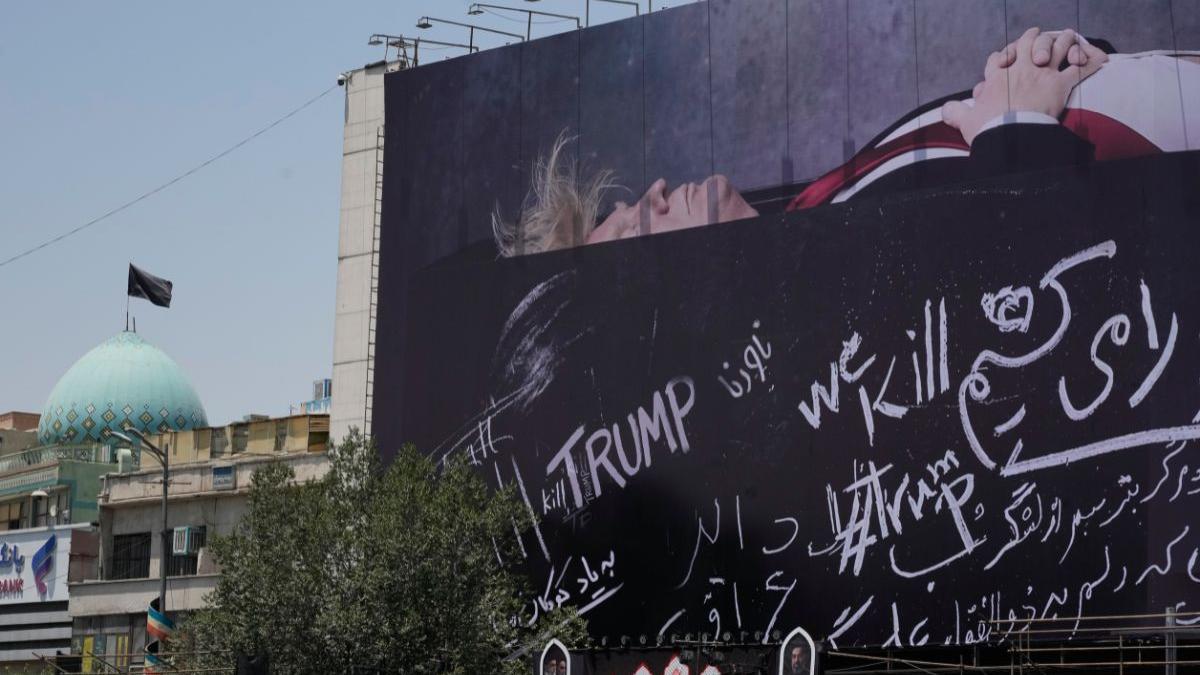

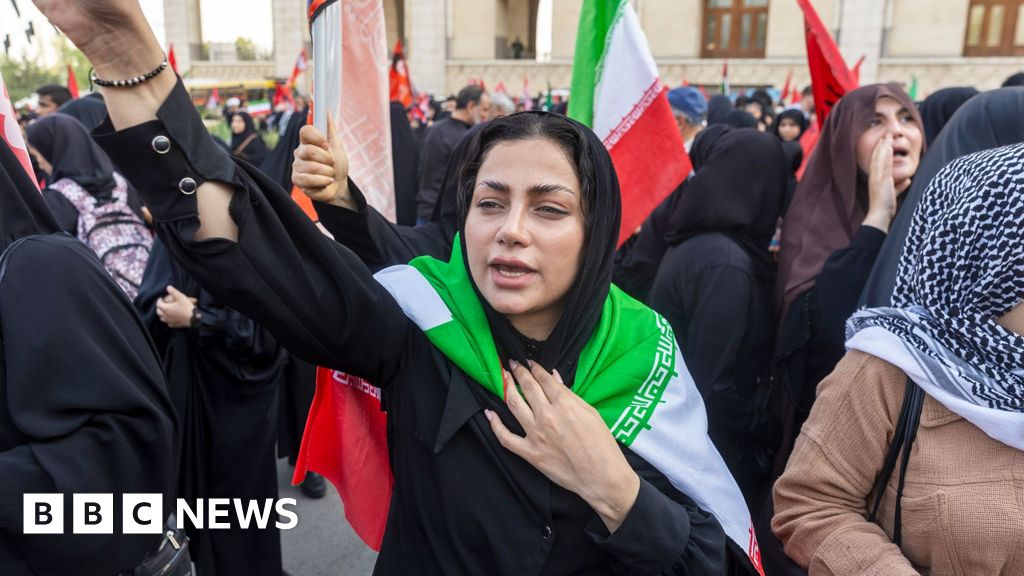
In a statement carried by state media, the Guard warned that the Strait of Hormuz would stay shut “until the United States ends its acts of aggression” and that “other oil and gas export routes that serve the interests of the United States and its allies” should be expected to close.
"The export of oil and gas from the region will be either for everyone or for no one,"
IRGC statement, via Iranian state media
The warning did not name specific alternatives, but analysts recalled Iran’s past threats to choke the Bab al‑Mandeb Strait – the gateway to the Red Sea, Suez Canal and the Indian Ocean – which carries roughly ten percent of global oil supplies.
U.S. President Donald Trump, speaking on Special Report with Bret Baier on Tuesday night, said the United States would expand its campaign if Tehran failed to return to negotiations. He singled out Iran’s bridges and power plants as potential targets for the following week.
"I'll save the energy targets for last, but ultimately we'll hit energy targets,"
Donald Trump, interview on Special Report with Bret Baier
Trump’s remarks followed an earlier pledge to impose a 20 percent toll on vessels transiting the Strait of Hormuz – a proposal he later abandoned in favour of “massive” trade and investment deals with Gulf states. The shift was communicated in an online post that referenced “highly productive conversations with Middle East leadership.”
International reaction to the escalation has been mixed. The United Nations human‑rights chief, Volker Türk, condemned Trump’s prior threat in April to bomb civilian infrastructure, calling such attacks “a war crime” under international law.
"Under international law, deliberately attacking civilians and civilian infrastructure is a war crime,"
Volker Türk, UN human‑rights chief
Casualty figures released by Iranian officials indicate that at least seven soldiers were killed in the Sistan‑and‑Baluchestan barracks strike and more than 260 people were wounded across the country in the overnight raids. Iran’s health ministry spokesperson, Hossein Kermanpour, described the wounded count as “far larger than for any other round of recent violence between Iran and the U.S.”
Beyond the immediate human toll, the fighting has already nudged global markets. The price of Brent crude rose above $85 a barrel on Wednesday, a level more than 15 percent higher than pre‑war levels. The International Monetary Fund warned that the surge in demand and the depletion of spare oil capacity left “much of that room…used up,” suggesting that any further shock could push prices higher.
"Much of that room has now been used up,"
International Monetary Fund blog, July 15 2026
The strategic importance of the Strait of Hormuz cannot be overstated. During peacetime it carries roughly one‑fifth of the world’s oil and natural‑gas trade, and the current standoff has already halted most tanker traffic through the waterway. Kpler, a maritime‑traffic tracker, recorded only 21 ships transiting the strait on Tuesday, compared with the usual flow of dozens of commercial vessels.
Iran’s broader “axis of resistance,” which includes the Houthi movement in Yemen, has hinted that a coordinated closure of both Hormuz and Bab al‑Mandeb could be on the table if regional tensions intensify. A senior Houthi official warned that “if the current situation aggravates, the Bab al‑Mandeb Strait and the Strait of Hormuz will be closed in an operational alliance.”
U.S. Central Command commander Admiral Brad Cooper accused Tehran of launching “dozens of missiles and drones at neighboring Gulf Arab countries” and said U.S. Forces remain “vigilant and prepared to ensure full compliance” with the blockade. The Iranian army, meanwhile, pledged a “decisive response” to what it called “aggressive action by the American enemy.”
What to watch next: U.S. Officials have signalled the possibility of further strikes within the next two days, and President Trump has indicated that bridge and power‑plant attacks could be ordered “next week” if talks do not resume. Analysts will be tracking whether any commercial vessels attempt to use the U.S.–monitored southern route near Oman, a pathway that Iran has repeatedly declared a violation of the memorandum of understanding.
With the fifth day of escalated hostilities already underway, the region stands on the brink of a broader maritime shutdown that could reverberate across global energy supplies.
How significant is this development?
Contribute your assessment to the aggregated reader sentiment ledger.
Frequently Asked Questions
Key questions answered in this reportWhat is the key development in: Iran threatens to block additional trade routes after US strikes?
U.S. forces struck Iranian military installations in a coordinated wave of attacks, leading Tehran to threaten the closure of further global energy transit routes.
Why is this World development significant for the UK?
This report covers critical events in our World beat. Independent reporting monitors related UK statements, regulatory shifts, and public responses as further verified details emerge.
How was this reporting corroborated and verified?
Newsarchy UK compiles and cross-references reporting from primary reporting from saudigazette.com.sa and cross-checked wire reports. All coverage adheres to published editorial standards.
When was this report published?
This briefing was published on July 15, 2026 and is permanently cataloged in the Newsarchy UK World archives.