ICE halts vehicle stops amid mounting calls for removal after two killings
U.S. Immigration and Customs Enforcement has paused vehicle stops following the fatal shootings of two men during separate field operations. The agency is shifting to fixed-location arrests amid federal investigations and public pressure.
- Core Development: U.S. Immigration and Customs Enforcement has paused vehicle stops following the fatal shootings of two men during separate field operations. The agency is shifting to fixed-location arrests amid federal investigations and public pressure.
- Beat Context: Categorized under World with independent corroboration.
- Reporting Depth: 3 minute analytical read synthesized from verified newsroom sources.
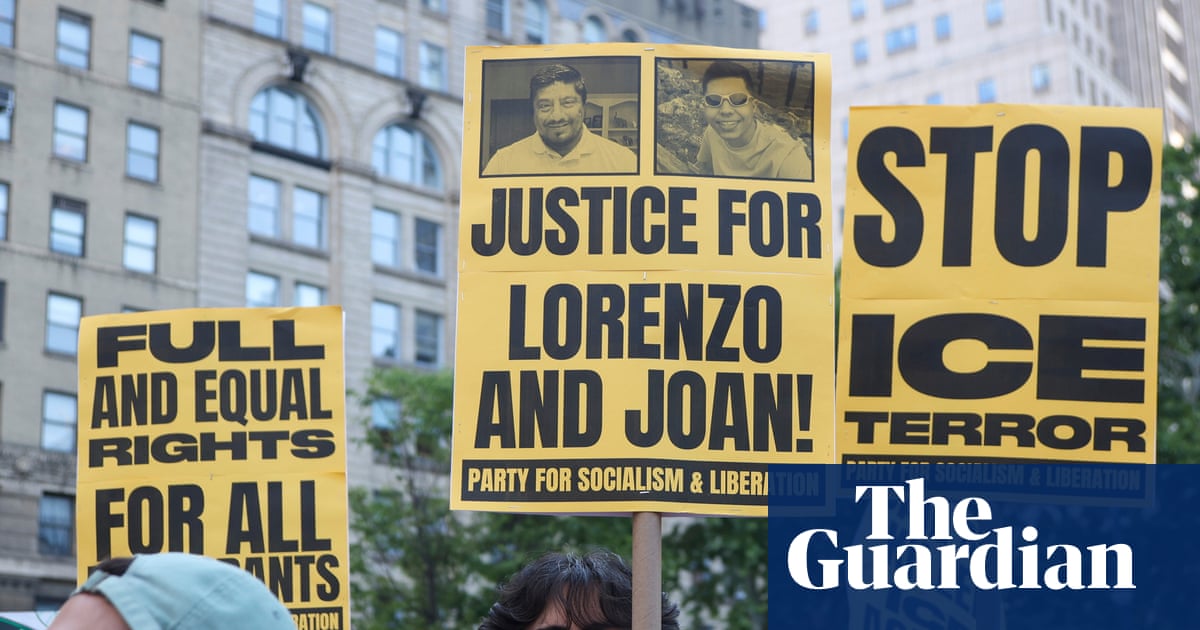
Federal immigration authorities have implemented an immediate pause on vehicle stops following the fatal shootings of two men by agents in less than a week. The directive, which applies to the Enforcement and Removal Operations division of US Immigration and Customs Enforcement (ICE), follows intense public outcry and calls for the removal of the agency from American communities after the deaths of Johan Sebastián Durán Guerrero in Maine and Lorenzo Salgado Araujo in Texas.
The killings have triggered widespread protests and triggered investigations at local, state, and federal levels, including probes by the FBI and the Department of Homeland Security’s Office of the Inspector General.
Media additions


Recent Fatal Incidents
On 7 July, agents in Houston, Texas, engaged in an operation that resulted in the death of Lorenzo Salgado Araujo, a 52-year-old builder. While the Department of Homeland Security stated that agents were conducting a targeted enforcement operation, the agency acknowledged that Salgado Araujo was not the intended target. Witnesses have disputed federal claims that the victim attempted to weaponize his vehicle against officers.
Less than a week later, on Monday, a 26-year-old Colombian man, Johan Sebastián Durán Guerrero, was fatally shot by an ICE agent in Biddeford, Maine. Officials initially indicated that the victim attempted to flee in his vehicle, but the Department of Homeland Security later confirmed to Senator Angus King that Durán Guerrero was not the target of the operation. Advocacy groups reported that the victim was authorized to work in the United States.
Operational Shift
Internal accounts from ICE officials suggest the pause on vehicle stops is an effort to mitigate further confrontations. According to personnel from the agency’s Enforcement and Removal Operations division, the order was communicated through field office directors rather than via written policy to avoid administrative delays. Agents have been instructed to pursue arrests at fixed locations, such as residences or workplaces, rather than initiating traffic stops.
The use of vehicle stops had become a central component of recent enforcement strategies, contributing to a reported surge in detentions, including approximately 10,000 arrests over a five-day period in late June 2026. However, critics, including the advocacy group America’s Voice, have described the agency’s tactics as part of a pattern of unaccountable state violence.
Public and Political Reaction
The events have prompted diverse responses from elected officials and the public:
- Investigation Demands: Both the Maine and Texas attorney general offices have launched investigations.
- Accountability Calls: Organizations such as the National Police Accountability Project and the Coalition for Humane Immigrant Rights have demanded the removal of ICE from communities, arguing that the agency’s operations endanger public safety.
- Political Debate: Senator Susan Collins defended the broader work of ICE’s Homeland Security Investigations arm while acknowledging the need for improved performance and faster deployment of body cameras.
Concerns remain regarding the lack of body camera usage during the recent incidents. While officials stated that body cameras have been deployed to over half of ICE field offices, neither the agents in Texas nor those in Maine were equipped with the devices at the time of the fatal encounters.
What to Watch Next
As communities in Maine and Texas continue to hold vigils and protests, the focus shifts to the outcomes of the ongoing federal and state investigations. Key developments to monitor include:
- Independent Inquiries: The findings from the FBI and the Department of Homeland Security’s Office of the Inspector General regarding the conduct of the agents involved.
- Body Camera Deployment: The pace of equipment rollout across remaining ICE field offices, which officials have estimated will take 60 days to complete.
How significant is this development?
Contribute your assessment to the aggregated reader sentiment ledger.
Frequently Asked Questions
Key questions answered in this reportWhat is the key development in: ICE halts vehicle stops amid mounting calls for removal after two killings?
U.S. Immigration and Customs Enforcement has paused vehicle stops following the fatal shootings of two men during separate field operations. The agency is shifting to fixed-location arrests amid federal investigations and public pressure.
Why is this World development significant for the UK?
This report covers critical events in our World beat. Independent reporting monitors related UK statements, regulatory shifts, and public responses as further verified details emerge.
How was this reporting corroborated and verified?
Newsarchy UK compiles and cross-references reporting from primary reporting from theguardian.com and cross-checked wire reports. All coverage adheres to published editorial standards.
When was this report published?
This briefing was published on July 15, 2026 and is permanently cataloged in the Newsarchy UK World archives.